- Home
- »
- Best Food on Kilimanjaro Climb
Kilimanjaro Food & Diet Needs
Climbing Mount Kilimanjaro takes more than just equipments; it also takes a heart. Having a healthy, hearty meal will keep your body fit, which will help you succeed on your climb. Know about food types, dietary needs, and nutritional aspects of foods consumed during trekking.
Diet for Climbing Mount Kilimanjaro
Food Types, Necessary Nutrition and Precautions to be taken in a Mount Kilimanjaro Climb
Meals on Mount Kilimanjaro Climb
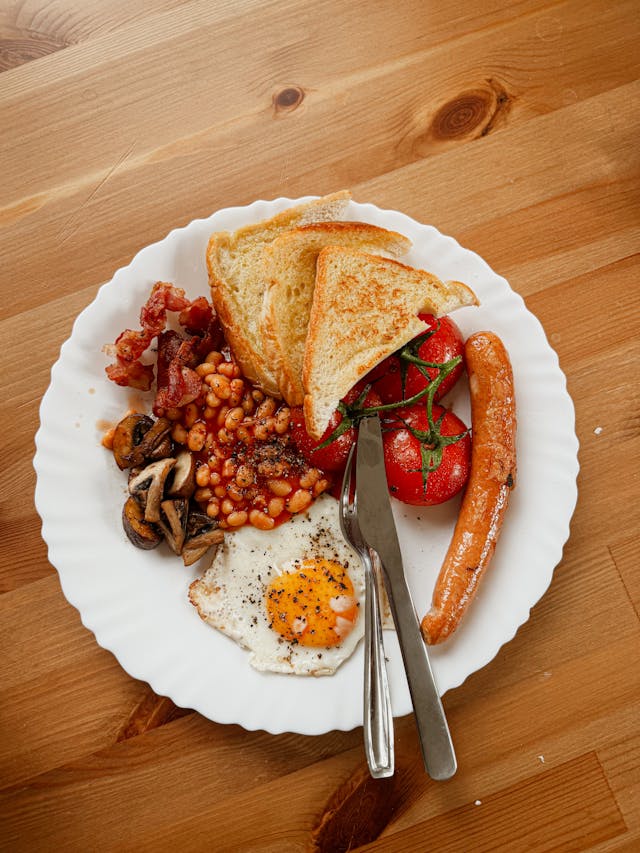
Our mountain crew will accompany you on your Kilimanjaro Climb, where they will take care of your daily personal needs. These highly trained individuals will ensure you receive all your scheduled meals and your daily dose of nutrition. Here are the types of Food on the Kilimanjaro Climb that you’ll generally get:
Breakfast
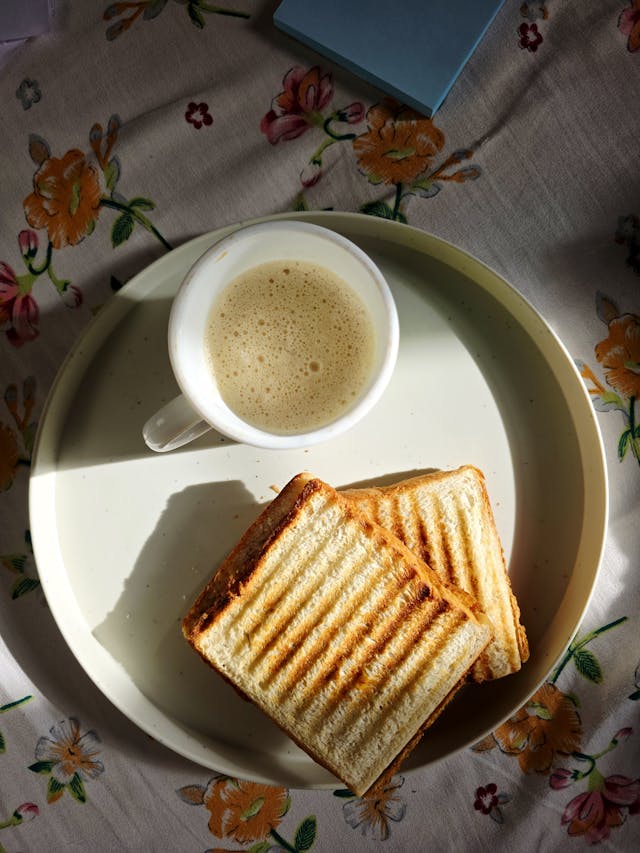
On a Kilimanjaro Climb, breakfasts generally consist of oats or millet’s porridge, an assortment of cereals, fresh fruits, yoghurt, milk and toast. Hot beverages such as tea, coffee, and hot chocolate are also provided for warming up.
Lunch
Generally, packed lunches are served for easy carrying and disposing of. It mostly consists of a hard-boiled egg, roasted or boiled chicken, cheese and/or yoghurt, bread, and vegetables like potatoes, as well as fruits like bananas.
Dinner
A high-carb diet is also maintained for dinner. It generally consists of potatoes, boiled eggs, beef or chicken (mostly seasoned and boiled), with bread or spaghetti in many cases. Leafy vegetables such as spinach and bell pepper (capsicum) are also served at dinner.
Snacks (Morning and Evening)
Snacks are provided in two quarters, both in the morning and in the evening. Morning snacks may include coffee or tea with biscuits. Evening snacks may include biscuits and popcorn along with any hot beverage.
Water and Hydration on Mount Kilimanjaro Climb
Staying hydrated on Mount Kilimanjaro is crucial to summit success. Drink 3-4 litres of water per day while hiking. At higher altitudes, your body dehydrates faster, and water is crucial for fighting altitude sickness.
You will be provided with drinking water, which you can store in your leak-proof water bottle that holds at least 1 litre. We will not bring sodas or bottled water; however, an ample supply of drinking water will be provided. We recommend bringing your preferred electrolyte formula to add to your water, which you can use daily throughout the trek.
Other beverages for hydration may include tea, coffee, milk and fruit juices based on personal needs and preferences.
Requirements for Carbohydrates on Mount Kilimanjaro Climb
Carbohydrates are an essential nutritional supplement in your food for the Kilimanjaro climb. Proper carbohydrate intake helps the body replenish muscle oxygen, protect muscles against deterioration, and reduce the amount of oxygen required for metabolism. Compared to proteins and fats, carbohydrates take 8% to 10% less oxygen for metabolism and satisfy daily meal requirements.
At Tanzania Adventure & Safaris, we serve high-carb meals from breakfast through dinner throughout your trek. Carbohydrates make up 60% to 65% of your Kilimanjaro Trekking diet. To balance carbohydrate intake, we also include vitamin-rich green vegetables, protein and minimal fat, which strengthen muscles, detoxify your blood, and improve joint flexibility for a high-altitude climb.
Snacks to Avoid on Mount Kilimanjaro Climb
On your Kilimanjaro Climb, we will provide you with necessary snacks every morning and every evening. Your snacks will generally include light biscuits, popcorn, wafers, roasted peanuts, and beverages such as tea, coffee, and warm milk. However, many trekkers get confused when packing personal snacks for a climb, which can disrupt their healthy meal plan.
Here are some of the snacks that one needs to avoid on a Kilimanjaro climb:
- Too much caffeine: This can increase or impose additional sleep irregularities.
- Alcoholic Items: Avoid these strictly, as they may cause severe health problems.
- Bulky Foods: Canned goods and other bulky items, such as curries and greasy foods, can spoil at high altitudes due to high temperatures.
- Potential Leak Hazards: Anything that’s prone to leaking from your bags is best avoided.
Tips for Eating and Drinking on a Mount Kilimanjaro Climb
It’s essential to keep your personal hygiene in mind while having any food or drink on your Kilimanjaro climb. To ensure a smooth and successful climb, here are some tips for eating and drinking during your trek:
- Ensure cleanness while washing your hands before and after every meal.
- Avoid skipping meals, as adequate nutrition is crucial for high-altitude climbing.
- Maintain hydration for optimal metabolism and muscle function.
- Electrolyte intake can affect energy intake during hydration.
- Avoid excessive consumption of caffeine and complete restriction of alcohol.
- A carbohydrate-rich diet is recommended for easier metabolism and better muscular function.
- Pack your essential energy and vitamin supplements, along with personalised snacks, to support a comforting diet for your journey ahead.

FAQ
Know about the type of food, ingredients and diet plans that you would require while trekking Mount Kilimanjaro
Yes, all types of special diets are catered to on your Kilimanjaro climb. We specifically supervise vegan, vegetarian and gluten-free aspects while preparing any trekking diet.
Drinking water is crucial on Kilimanjaro, as it helps maintain proper hydration and prevents altitude sickness. Balanced hydration can also help with digestion and energy levels.
Generally, three meals (breakfast, lunch and dinner) are provided on a Kilimanjaro Climb. Additionally, morning and evening snacks are also involved in your meals.
High altitude can dull your sense of taste, making the food bland on your Kilimanjaro Climb. Hence, we often season most meals to provide at least a proper taste.
Yes, you are allowed to bring your own food on Kilimanjaro. However, please maintain ssoecial dietary requirements on your favourite snacks and beverages to avoid any dietary or portability issues.