- Home
- »
- National Parks
View large elephant herds resting underneath giant baobab trees, as the Tarangire River flows through the national park.

Serengeti National Park
Watch the Great Wildebeest Migration unfold across the savannah, alongside diverse wildlife living in harmony.

Ngorongoro Conservation Area
World’s largest intact volcanic caldera shelters the Big Five, endangered wildlife and offers a spectacular view for tourists.

Ruaha National Park
Visit Tanzania’s remote national park, renowned as a premier and uncrowded safari destination with a scenic landscape.

Arusha National Park
Home to several distinct ecosystems, including the montane forests, the Morrland highlands and the savannah grasslands.

Lake Manyara National Park
Famous for its tree-climbing lions, Lake Manyara National Park thrives with underground forests and a varied ecosystem.
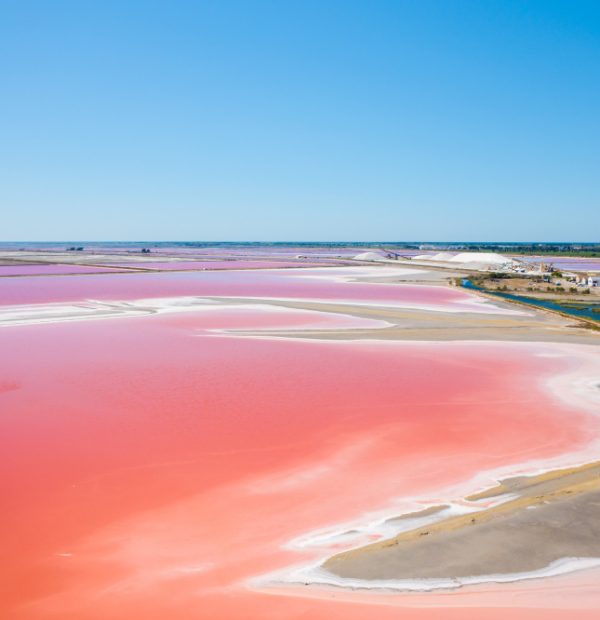
Lake Natron
Renowned for its deep red colour and ability to petrify animals, due to its highly caustic content in shallow waters.

Nyerere National Park
Known as Africa’s largest game reserve, this national park is one of the world’s largest and most renowned wildlife sanctuaries.

Gombe Park
Renowned as a conservation area and the site of Jane Goodall’s groundbreaking research on chimpanzees and primate behaviour.

Saadani National Park
Tanzania’s only coastal wildlife sanctuary, where the bush meets the beach, blending marine and mainland ecosystems.

Mikumi National Park
Known as Tanzania’s mini-Serengeti, it is renowned for its vast Mkata Floodplain savannah and easy “Big Five” sightings.

Kilimanjaro National Park
Home of Mount Kilimanjaro, Africa’s highest peak and the world’s tallest free-standing mountain, accompanied by rainforests, alpine and moorlands.

Mahale National Park
World-renowned for hosting the world’s largest known population of wild eastern chimpanzees, it offers tourists tracking experiences.

Rubondo National Park
Famous as a unique island sanctuary in Lake Victoria and a breeding ground for elephants, giraffes and Sitatunga antelope.

Katavi National Park
Renowned for its remote, untouched wilderness and massive concentrations of wildlife, particularly during the dry seasons.

FAQ
Discover the most-visited national parks, diverse wildlife concentrations and indigenous cultures associated with each tourist spot.
National parks in Tanzania are legally protected areas that have been home to Africa’s indigenous wildlife and avian species for millions of years. These areas also shelter local tribes and communities that have thrived for centuries, carrying the essence of human evolution.
As your Tanzania Safari Operator, we will arrange all park entry fees as part of your package. The exact amount will be conveyed to you at the time of your booking.
Nyerere National Park is the largest national park in Tanzania, formerly known as the Selous Game Reserve, covering an area of 30,000 square kilometres (30,893 square kilometres).
Yes, a variety of accommodations are available across Tanzania's national parks, ranging from mid-range to luxury lodges, campsites, and hotels.
Yes, all visitors in Tanzania’s national parks must hire a licensed guide, who will help them navigate the parks, ensure their safety and provide information about wildlife and the ecosystem.