- Home
- »
- Tarangire National Park
Tanzania Destinations
History of Tarangire National Park
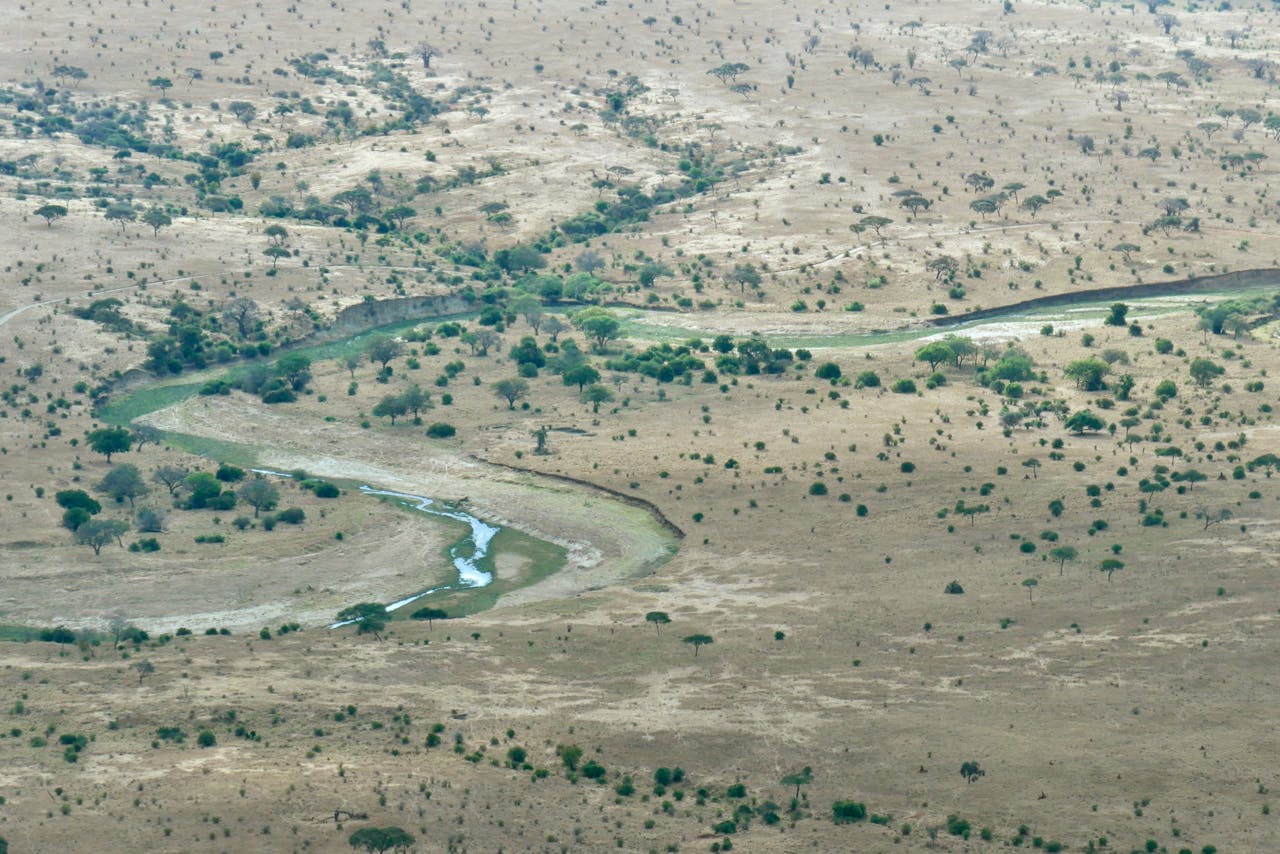
Tarangire National Park was established in 1970 to protect the critical dry-season wildlife refuge. The Tarangire River is the lifeline of this national park, providing wildlife with a major natural water source. Originally, it was inhabited by pastoralist communities, such as the Maasai. Later, this area was designated to curb poaching and expand agricultural activities, transforming a game reserve into a premier conservation area.
Famous Spots in Tarangire National Park
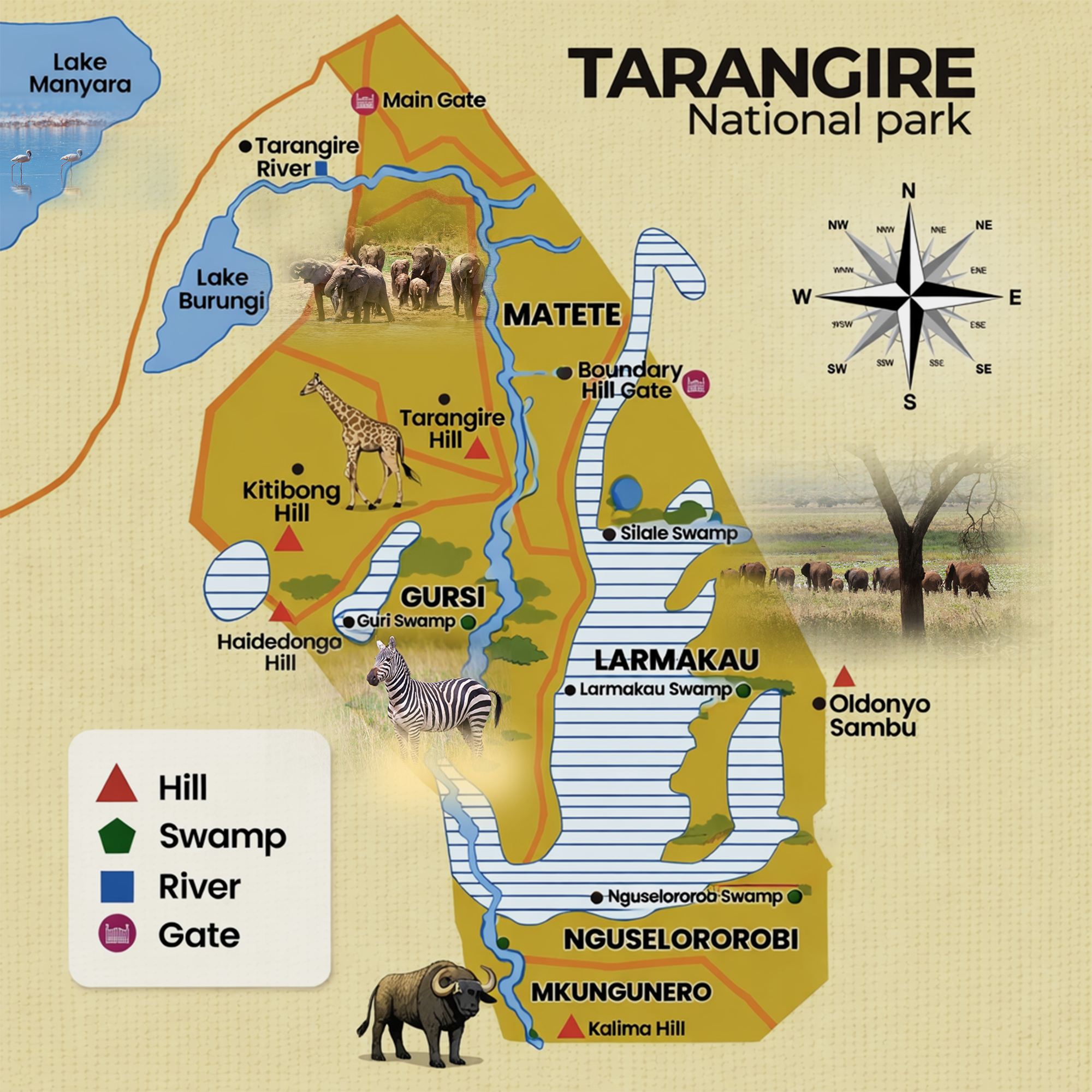
Tarangire National Park is slightly off the popular Northern Safari Circuit. This destination lies between the meadows of the Maasai Stepe to the South and East and the lakes of the Great Rift Valley to the North and West. If you are a safari enthusiast, visit the following famous spots:
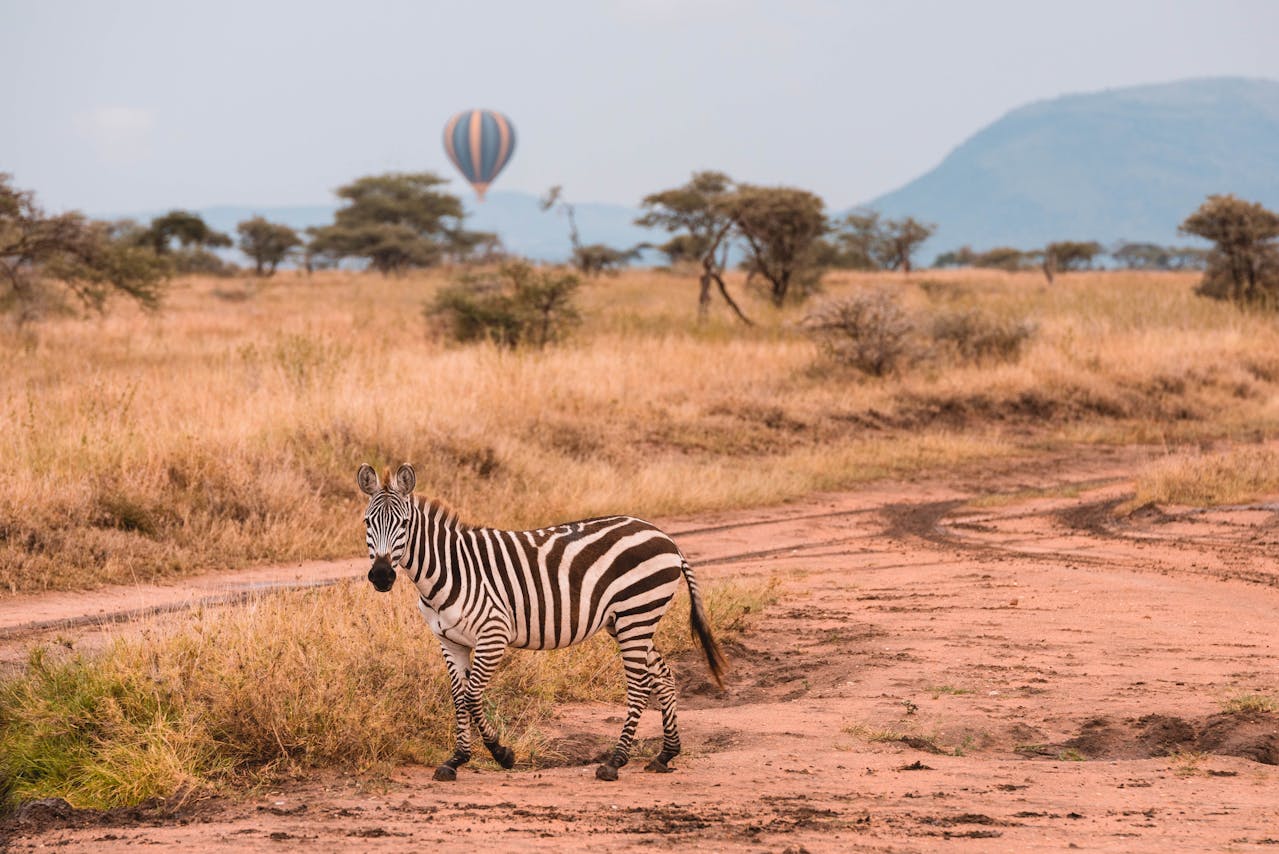
Tarangire River: At the heart of the safari destination, this river attracts wildebeest, elephants and zebras during the dry season.
Silale Swamp: This large, permanent swamp is located in the south and is a hotspot for high wildlife concentrations.
Shambhala Plateau: This region offers panoramic views and opportunities for spotting the Greater and Lesser Kudu (antelope species).
Gurusi Swamp: A picturesque area for bird watching and spotting large herbivorous herds.
Kitibond and Tarangire Hills: Prominent landmarks in the park, offering scenic views of the surrounding savannah and valleys.
Wildlife in Tarangire National Park
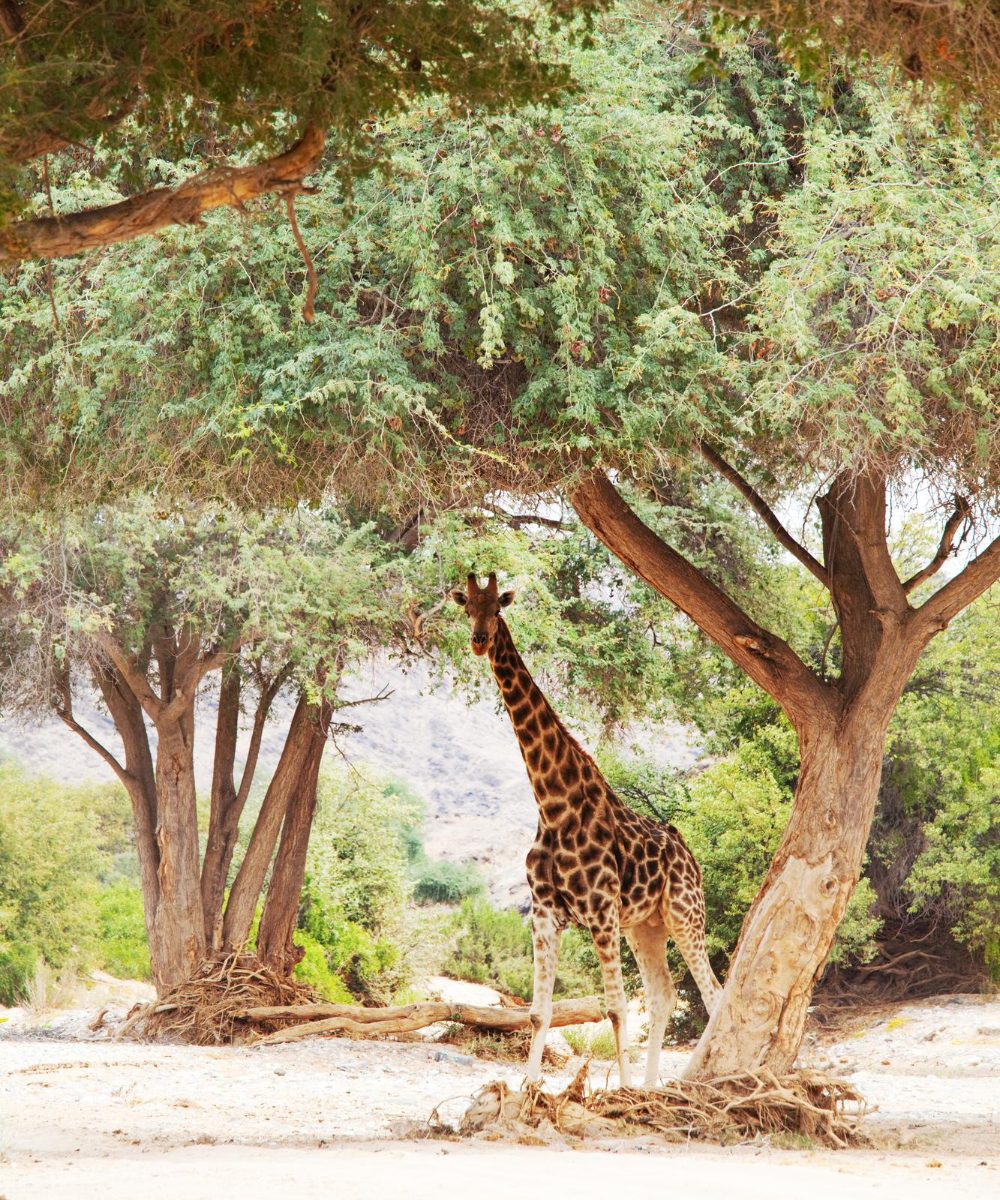
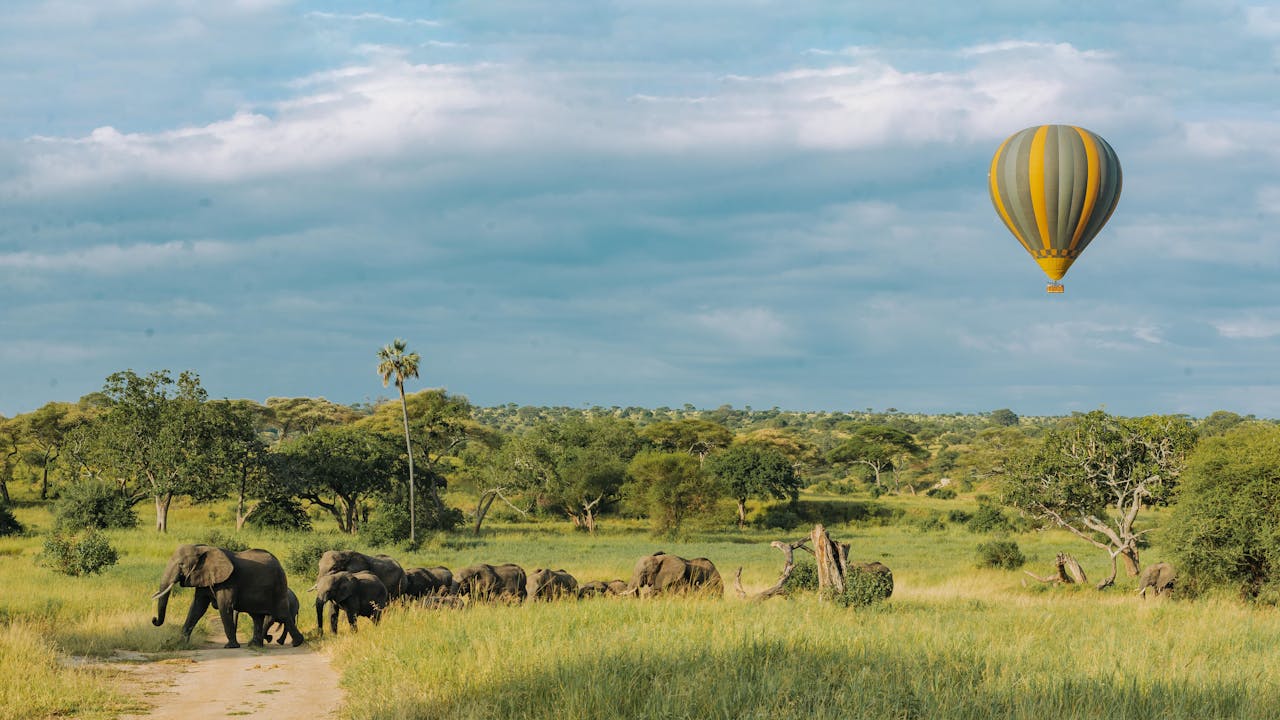
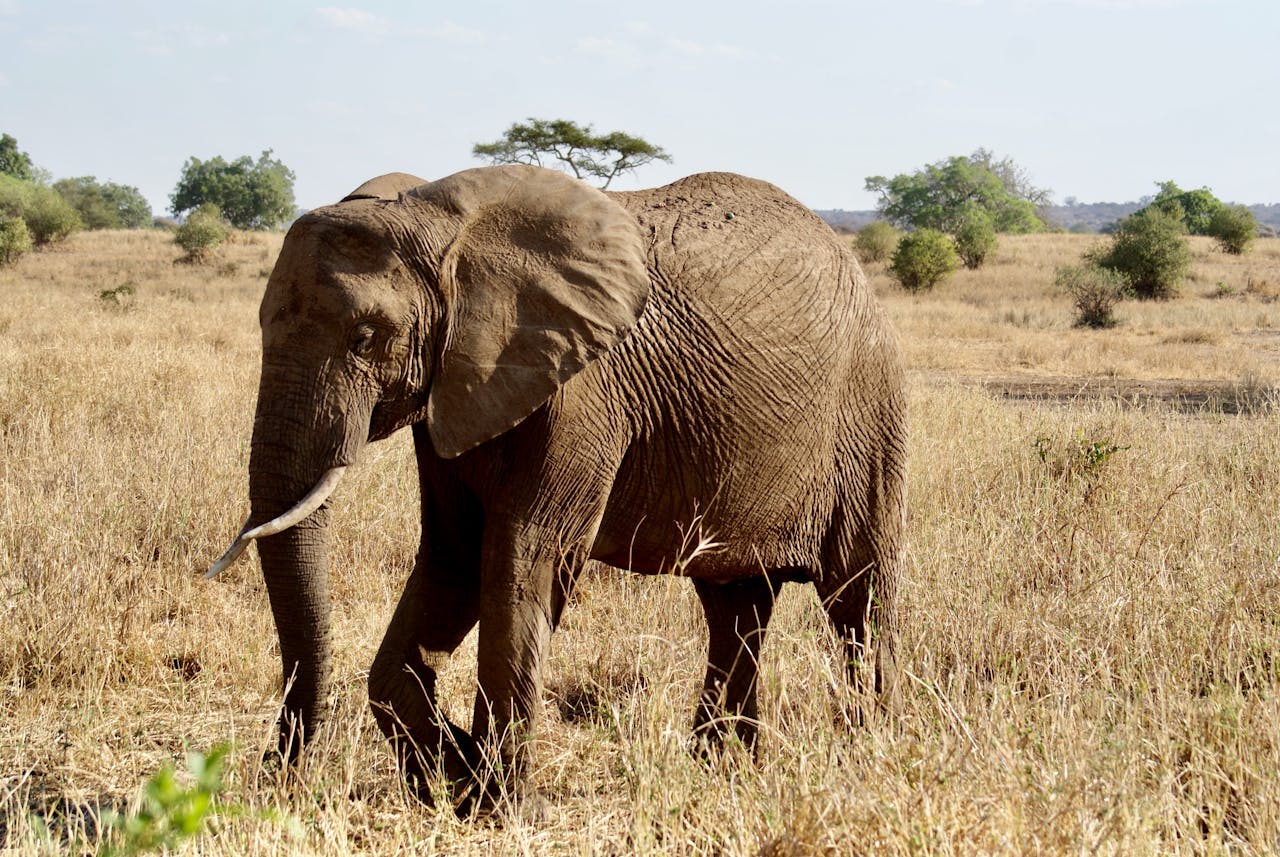
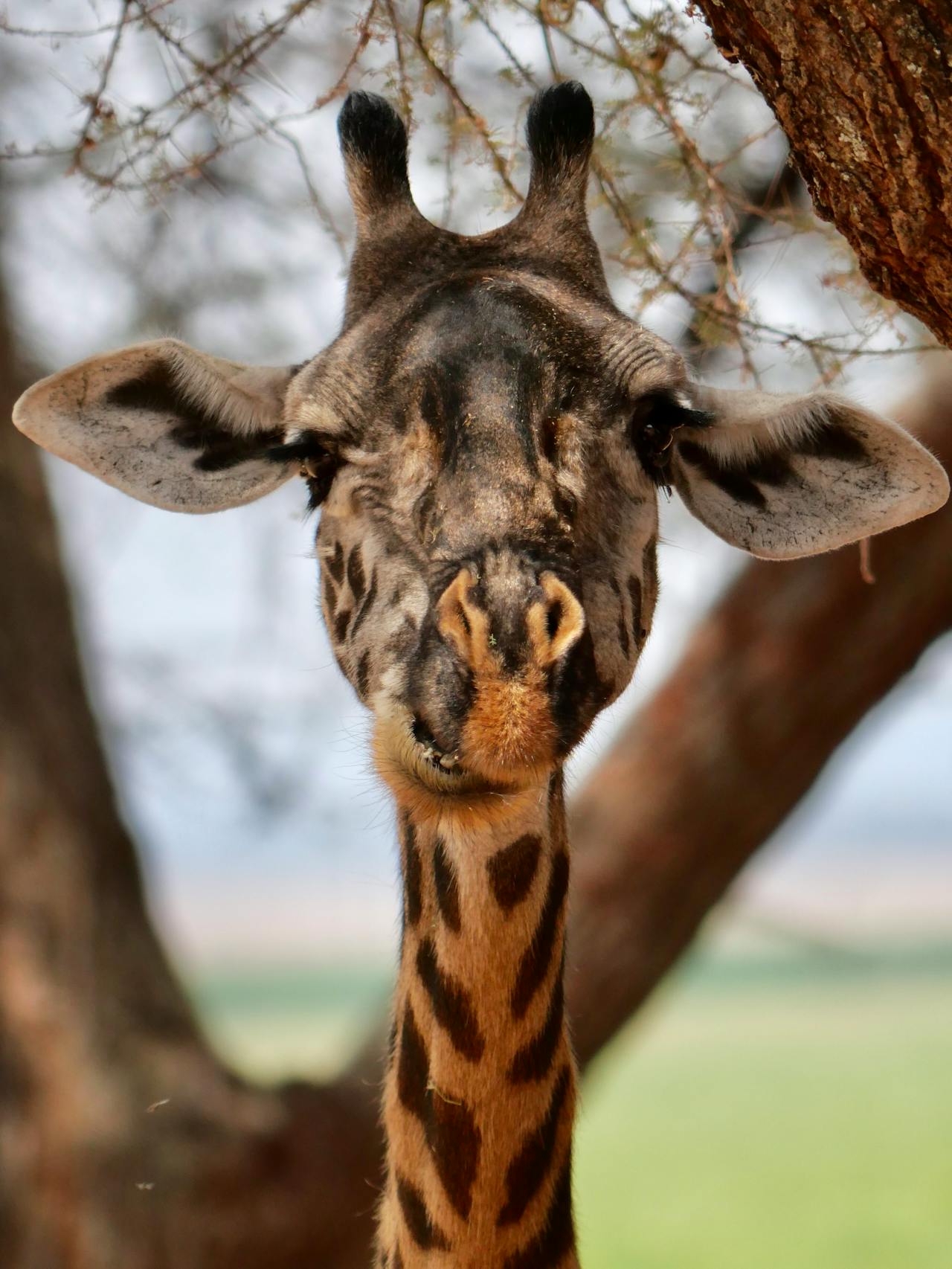
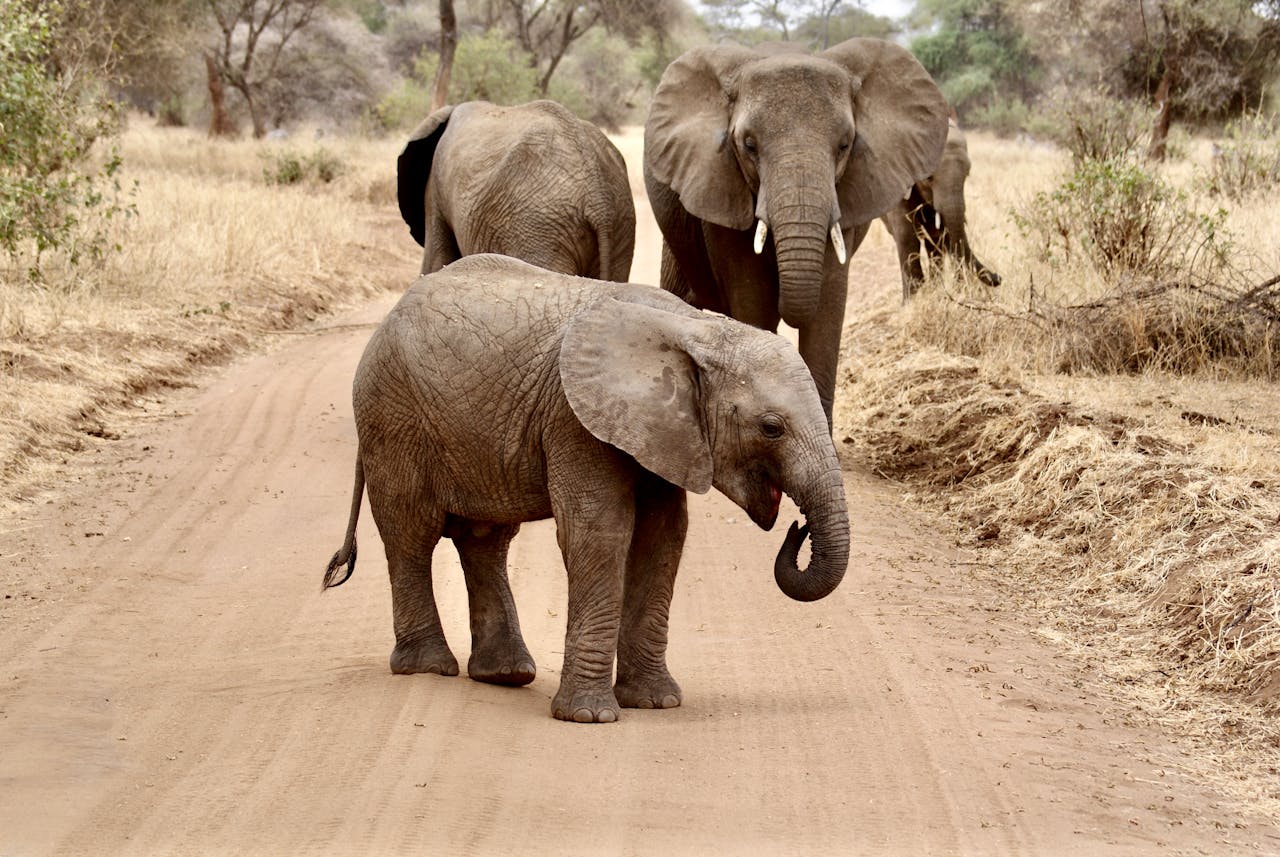
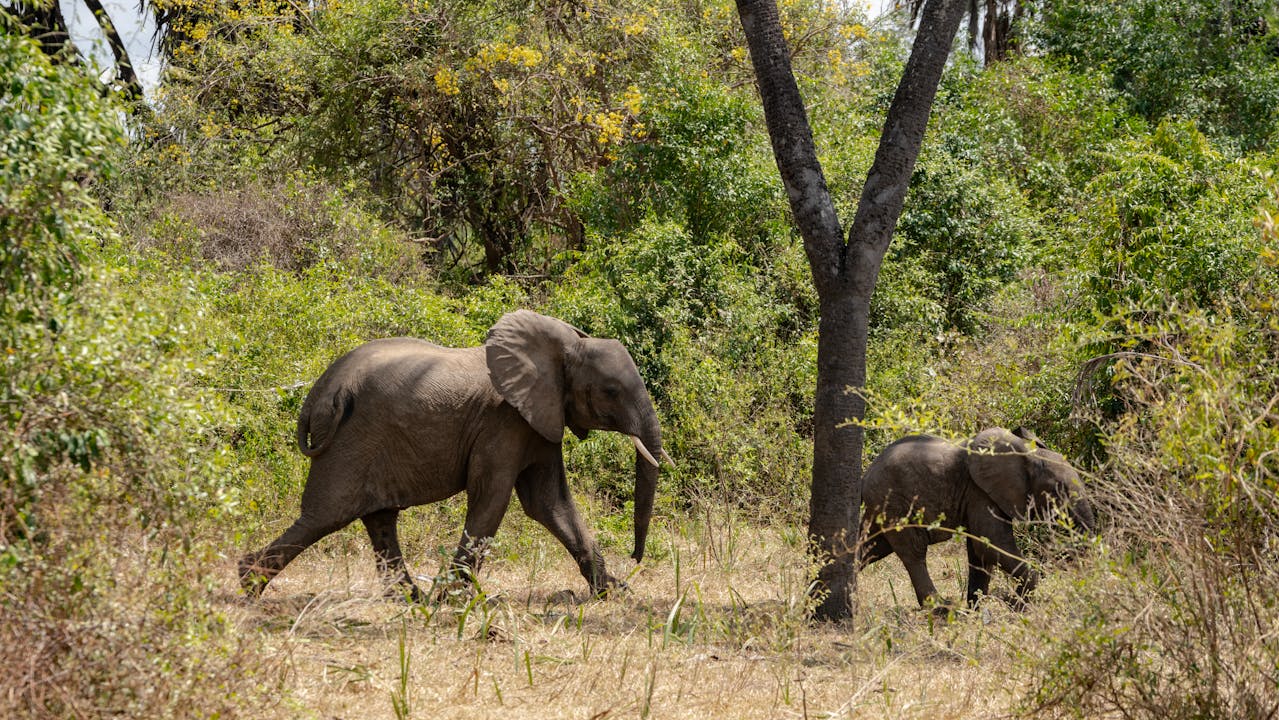
Tarangire National Park is home to one of the largest elephant populations in Africa, with several herds of up upto 300 members each. With 600-year-old babob trees and vast areas of mixed acacia woodlands, this safari destination is home to diverse wildlife. While exploring Tarangire National Park, you might spot a large number of impalas, elands, buffaloes, giraffes, Bohor reedbuck, Coke’s hartebeest and Thompson’s gazelle.
On rare occasions, you might also spot greater and lesser kudu, the unusual gerenuk and fringe-eared Oryx. If you are lucky, you might also spot a few endangered black rhinos, large herds of elephants, along with wildebeest and zebras.
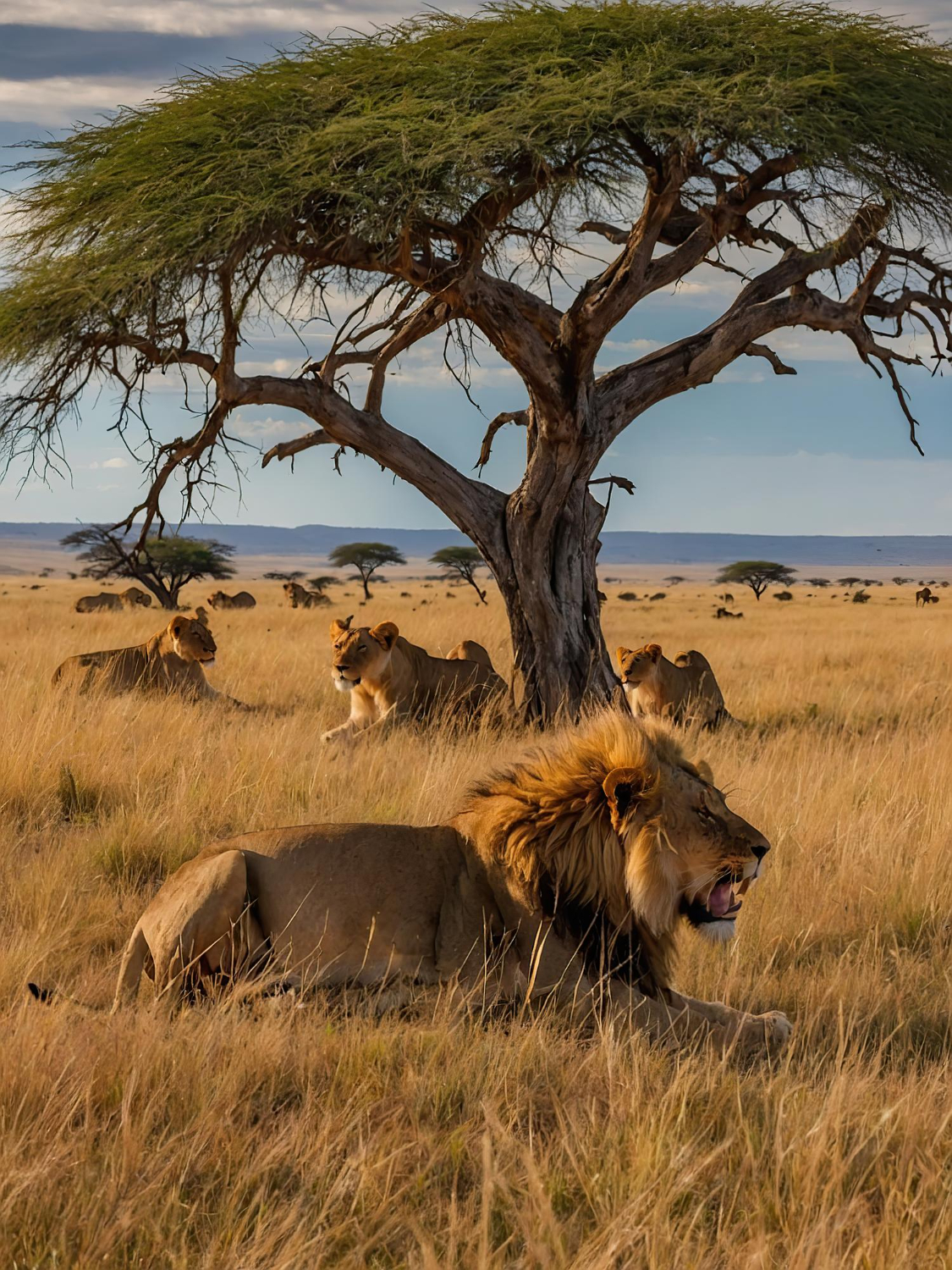
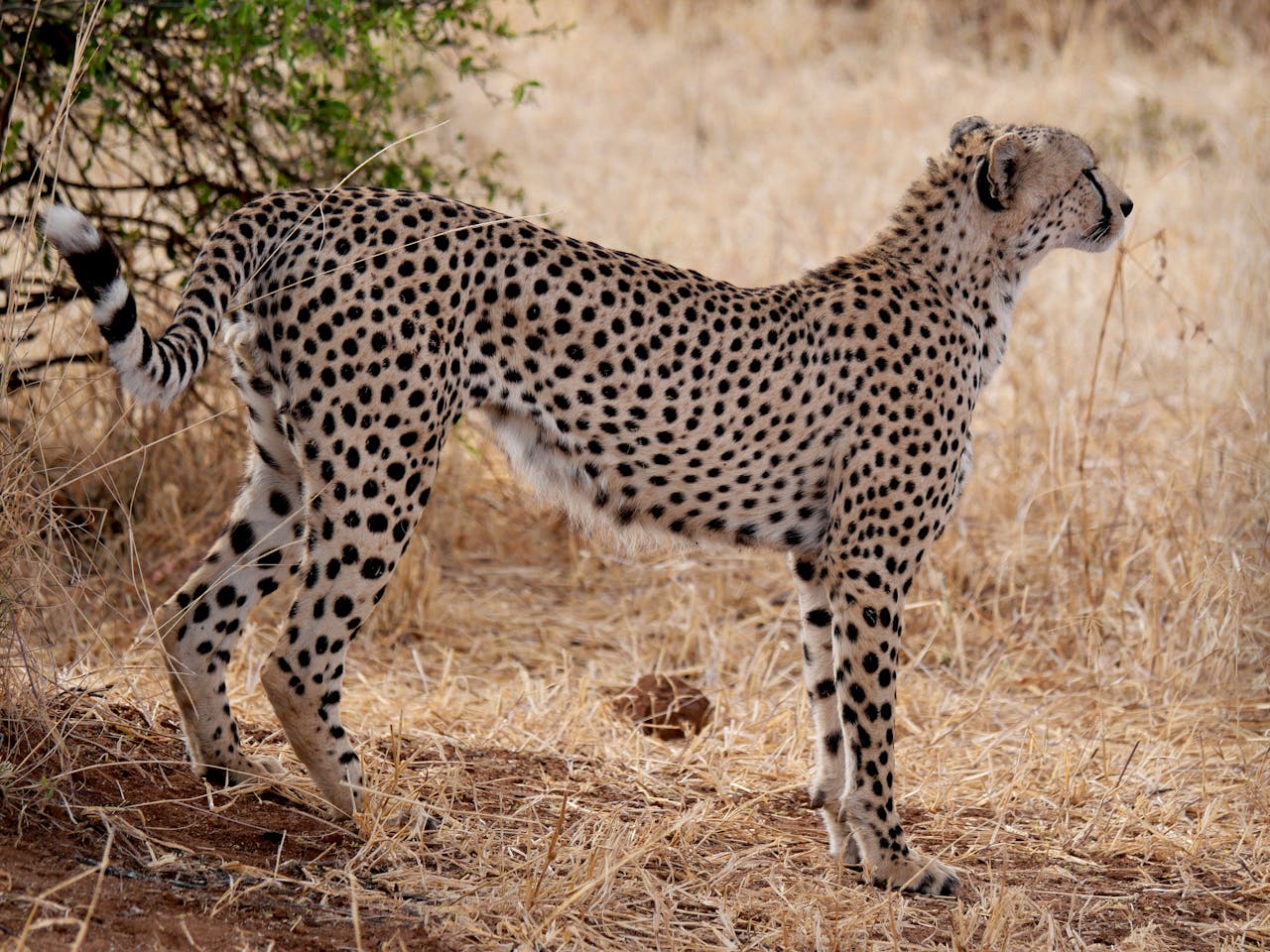
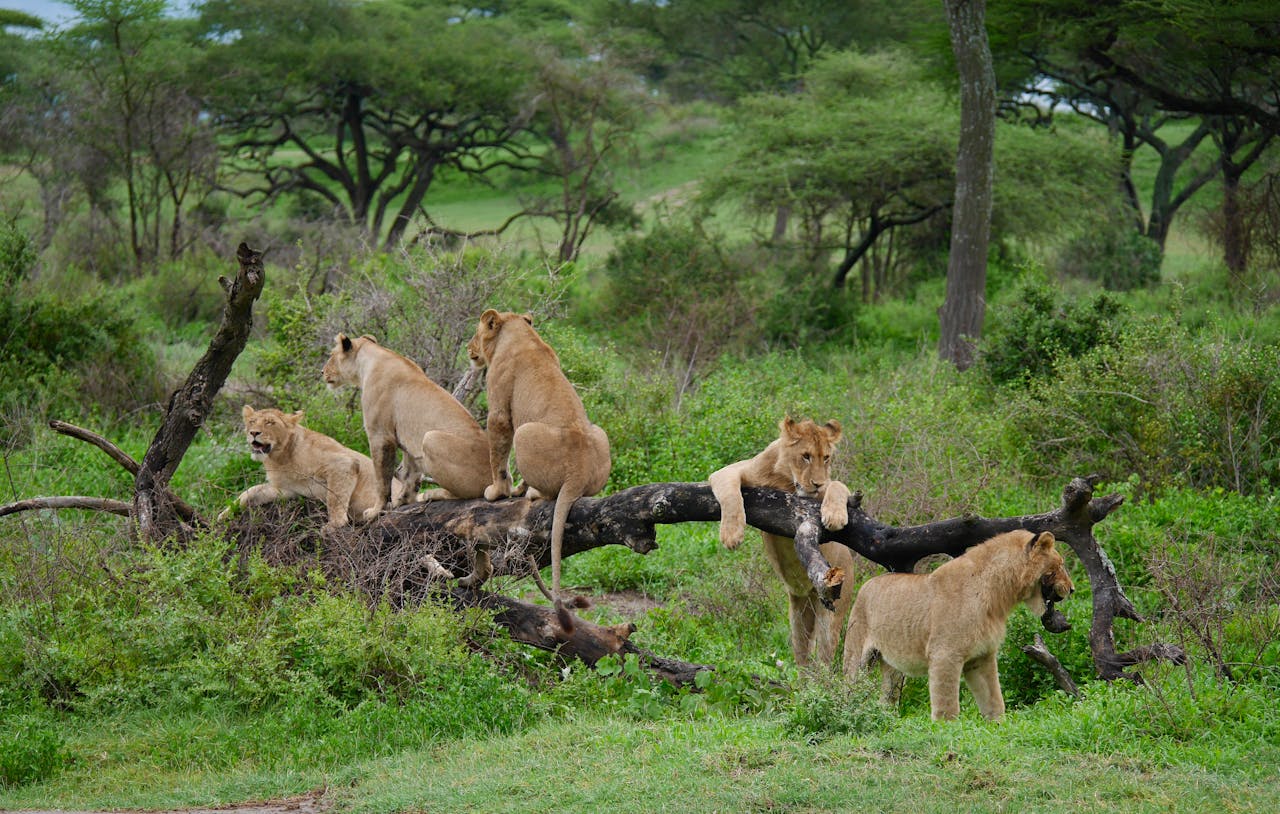
Among other common animals in Tarangire National Park, tourists might spot leopards, lions, hyenas, and cheetahs, mostly populating the southern open areas. Over 500 avian species, including yellow-collared lovebirds and shy starlings, can be spotted in birdwatching expeditions.
Activities in Tarangire National Park
Tarangire National Park is one of Tanzania's most visited national parks. This safari destination is drier than the famous Serengeti. Its mixed vegetation supports diverse wildlife, and it attracts high demand for safari activities. The following are the activities that are popularly done here:
- Game Drives (Day and Night): Viewing wildlife across various regions of the park in 4x4 safari vehicles, accompanied by experienced guides/drivers.
- Hot Air Balloon Safaris: Soar over the treetops with an exceptional perception of the savannah grasslands below.
- Birding Safaris: Observe diverse avian species in their natural habitats, study their behaviour, and photograph them for various purposes.
- Walking Safaris: Guided by armed rangers, these tours offer a closer look at smaller animals, plants and ecosystems without disturbing wildlife.
- Cultural Tours: Visits to local Maasai or Barabaig villages to learn about their traditions, food, and arts, including ancient rock paintings.
What Makes Tarangire National Park Unique?
Tarangire National Park is known as the “Kingdom of Elephants”, with the largest elephant herds in Africa roaming underneath ancient baobab trees. You may also get the chance to witness the Big Five (lion, leopard, rhino, buffalo and elephant) in their natural habitats. Although less popular than Serengeti, this safari destination is perfect for travellers seeking tranquillity and ample space.
A lesser-known migration takes place in the Tarangire National Park. This migration is less publicised than Serengeti’s, but it is equally dramatic in terms of density. The raw and less-commercialised ecosystem of this safari destination allows travellers to embark on a calmer safari journey.
Experience Tarangire National Park as you have always imagined with tailor-made safari itineraries in Africa. As the best Tanzania Safari tour operator, we will assist you in proper planning and end-to-end exploration of this safari destination.
Tarangire National Park
Visit this awesome safari destination for your Tanzanian adventure.
Tour Highlights
- Massive elephant herds
- Ancient baobab trees
- Dry season wildlife concentration
- Scenic Tarangire River
- Excellent birdwatching
- Quiet compared to Serengeti
- Predator sightings
- Authentic bush feel
- Great for short safaris
- Stunning landscapes
Timing and Travel to Tarangire National Park
FAQ
Tarangire National Park gets its name from the long-serving permanent source of water, the Tarangire River. This river is the primary cause of the park’s varied ecosystems.
As of 2025, the total lion population in this national park is estimated at around 250.
The total area of Tarangire National Park is 2,850 sq. km. (1,100 sq. miles). The park is the sixth biggest of all Tanzania National Parks.
As of 2025, there are around 2,500 elephants inside the premises of Tarangire National Park.
About 2 to 3 days are perfect for exploring the various regions of Tarangire National Park. However, the number of days can vary depending on the particular tour request.