- Home
- »
- Ruaha National Park
Ruaha National Park

01
History of Ruaha National Park
Ruaha National Park is one of Africa’s largest national parks and is an off-beaten safari destination in Tanzania. The name Ruaha is derived from the Hege word meaning “river,” reflecting the national park's namesake river. Originally, this park was gazetted as the Saba Game Reserve by the Germans in 1910 and was renamed as the Rungwa Game Reserve by the British in 1946, as it protects the great Ruaha River. After incorporating the Usangu Game Reserve in 2008, it became Tanzania's second-largest national park, covering 20,226 sq km.

02
Famous Spots in Ruaha National Park
Ruaha National Park is a visual treat, with rocky outcrops and mountain ranges. This destination features a diverse, transitional landscape of about 1,650 plant species, blending acacia savannahs, miombo woodlands, and arid scrub. Baobab-studded plains are common in this region, adding a dramatic touch to its natural scenery. The most famous spots visited in Ruaha National Park are:
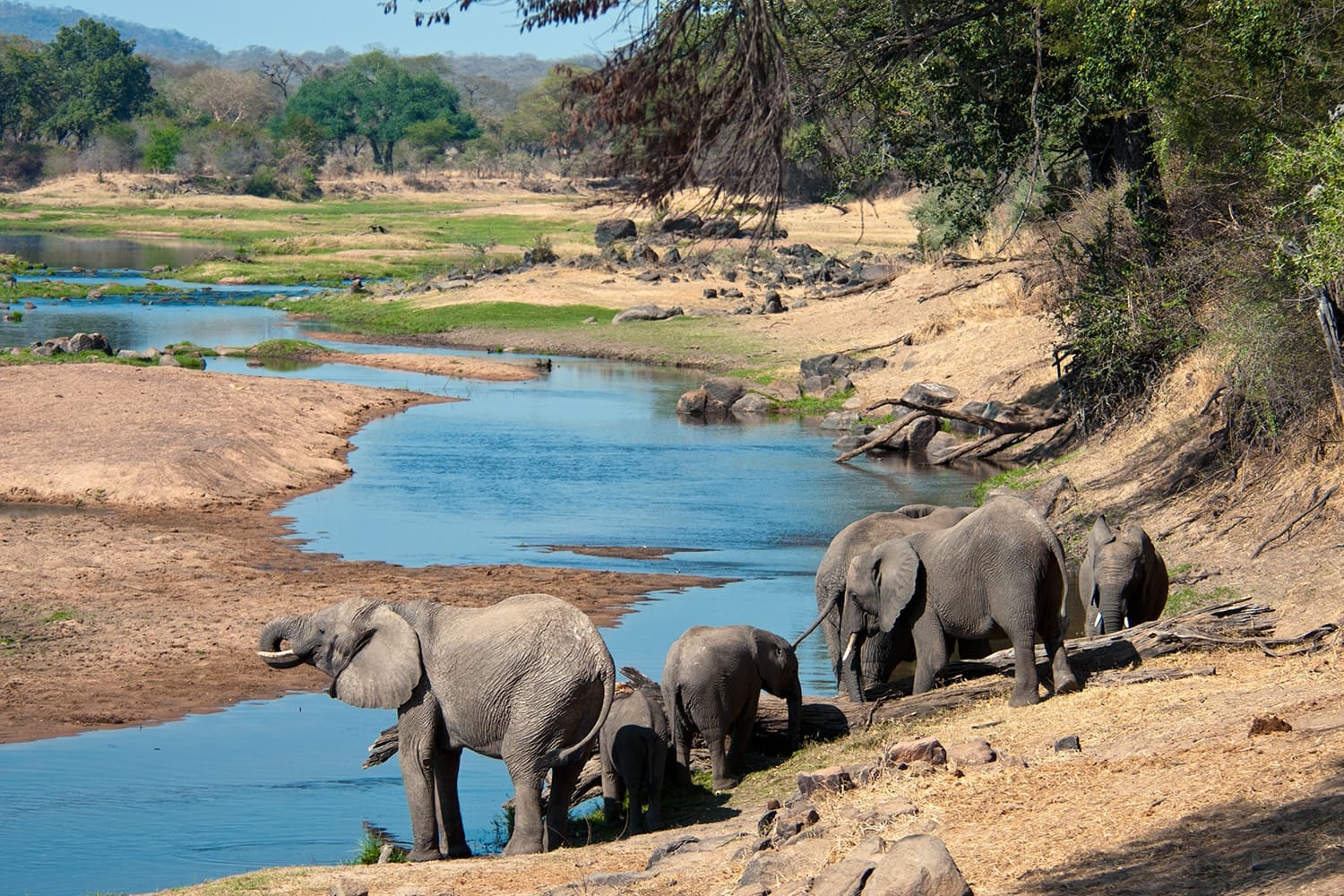
- Great Ruaha River: As the park’s lifeline, this river is crucial for providing a water source to wildlife, especially during the dry season.
- Usangu Wetlands: The Usangu Wetlands are the primary water source to the Ruaha River and are a vital biodiverse hotspot in the national park.
- Baobab Valley: Located in the eastern part of the park, it features a unique landscape of massive, iconic baobab trees.
- Majo Moto Hot Springs: This lush oasis is located in the eastern part of the park and provides water to the wildlife.
- Jongomero River: This sandy river is located in the remote, south-western region of the park and acts as a natural wildlife corridor. It also serves as the primary water source for elephants, who dig for water during the dry season.

03
Wildlife in Ruaha National Park
The wilderness area in Ruaha National Park is celebrated for its high predator density and is known as Tanzania’s best-kept game-viewing secret. This spot is where East and Southern Africa meet, making species from both regions available. As a tourist, you might be lucky enough to view some of these wildlife species:
- Big Cats: Ruaha National Park is a premier safari destination for big cat sightings, including large lion prides with over 20 members. Cheetahs in open plains and leopards in rocky kopjes are commonly spotted.
- Elephants: This national park is one of Tanzania's largest elephant sanctuaries, where elephants gather around the Great Ruaha River during the dry season.
- Predators: Other predators include hyenas, jackals and endangered African Wild Dogs, which are widely found in this park.
- Antelopes: This national park boasts the highest population of Greater Kudu in East Africa, along with lesser kudu, roan antelope and sable antelope.
- Other Wildlife: Herbivores such as wildebeest, hippos, zebras, and impalas can be spotted.
- Birds: Over 571 species are recorded in this park, including the endemic Ruaha red-billed hornbill, a significant species for birdwatchers.

04
Activities in Ruaha National Park
As Tanzania’s second-largest national park, this safari destination offers premier wildlife experiences. Ruaha National Park is a naturalist’s paradise and is best suited for first-time visitors, adventurous travellers and wildlife enthusiasts. At Tanzania Adventures and Safaris, we provide our guests with expert guidance:
- Game Drives (Day and Night): A classic game drive in a 4x4 safari vehicle during the day can help you spot the rich biodiversity. Night game drives with additional protection take tourists to spot nocturnal species that are shy or mostly hunt at night.
- Photography Safaris: Photographic game drives are a popular activity in this national park. With our state-of-the-art vehicles and experienced tour guides, embark on the best photography safaris.
- Birdwatching: With over 571 bird species inhabiting the national park, tourists arrive here to spot and photograph some colourful mix of northern and southern birdlife.
- Bush Lunch: Eat a picnic lunch at the open lands of Ruaha, surrounded by sights and wilderness of the national park.
- Boating Safari: Boating safaris are common activities on the Ruaha River, where tourists can spot crocodiles, hippos, and various waterbirds.
What Makes Ruaha National Park Unique?
Do you want to embark on an uncrowded and exclusive safari experience? Visit Ruaha National Park. As the second-largest national park in Tanzania, this place boasts savannahs, baobab trees, and misty hills stretching across the horizon. Due to low visitor numbers, this destination offers quieter, more comfortable safari experiences.
Ruaha National Park provides a unique crossover habitat, home to wildlife species from both southern and eastern Africa. As a major game-viewing destination, this national park is best for honeymoon safari-goers and those seeking a solitary escape from the urban hustle.
At Tanzania Adventures and Safaris, we offer seamless and safe journeys to Ruaha National Park. With expert tour guidance and premium-quality accommodations, we offer the best adventure safaris in this destination.

Ruaha Mountains National Park
Visit this awesome safari destination for your Tanzanian adventure.
Tour Highlights
- Tanzania’s largest national park
- High predator density
- Huge elephant population
- Rugged, wild landscapes
- Great Ruaha River
- Fewer crowds
- Rare antelope species
- Excellent birdlife
- Authentic safari feel
- Dramatic scenery
Timing and Travel to Ruaha National Park




FAQ
Filming with drones in Ruaha National Park is prohibited. Permission for drone filming is granted only for projects that benefit the national park, typically given to wildlife documentary crews and, occasionally, large tourism media projects.
Tented camps and lodges near the Tuaha River offer excellent wildlife viewing. Mid-range, luxury and premium accommodations are offered to tourists.
Ruaha offers a more immersive, quieter safari experience than Serengeti National Park. If you are looking for a more customised safari tour, choosing this national park is the best option.
No, the Great Wildebeest Migration is mostly associated with the Serengeti National Park. However, you might spot wildebeests roaming around in herds.
Pack light, neutral coloured layers (beige, green, khaki) to manage temperature changes, including a fleece and a waterproof jacket. Essential items include binoculars, a camera, sturdy walking shoes, sun protection (hat, sunglasses, SPF), and mosquito repellent. Use soft-sided luggage.