1. Home
  2. »
  3. Serengeti National Park

Serengeti National Park

pexels-dirk-pothen-2149332904-30629757
01

History of Serengeti National Park

The Serengeti National Park was established in 1951, and is a renowned Tanzanian conservation area, protecting the vast, endless plains and home to “The  Great Migration”. Originally established as a 1930s game reserve to halt wildlife depletion, it became Tanzania’s first national park 20 years later. In 1981, Serengeti National Park was listed as a UNESCO World Heritage Site.

02

Famous Spots in Serengeti National Park

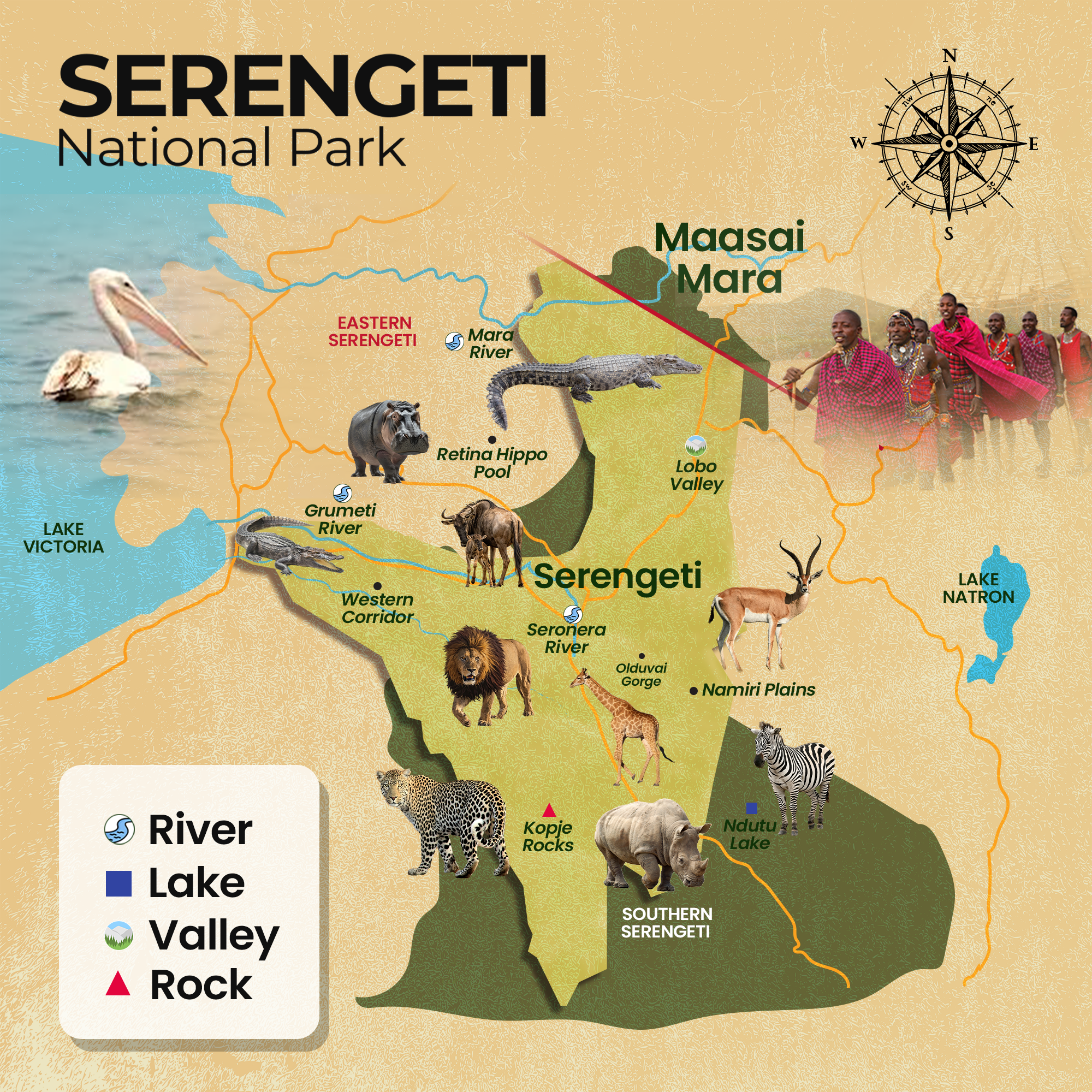
An amazing biodiversity embraces the entire ecosystem of the Serengeti National Park. Situated in Tanzania's northern region, the golden plains of Serengeti National Park stretch over almost 15,000 square kilometres. As you venture through the flourishing landscapes of the national park, here are the famous spots to explore: 


  • Seronera Region: This south-eastern region of Seronera is the centre of wildlife viewing in the wet season, from December to April. 
  • Ndutu Plains: The vast open plains are prime calving grounds from January to March, with majestic Simba Kopjes providing natural habitat for wildlife. 
  • Grumeti Game Reserve: Located in the beautiful, remote corner of the park, this section is less crowded and offers views of river crossings during the Great Migration. 
  • Lobo Hills and Northern Plains: These beautifully scenic Northern plains offer a landscape of grasslands and dense woodlands. 
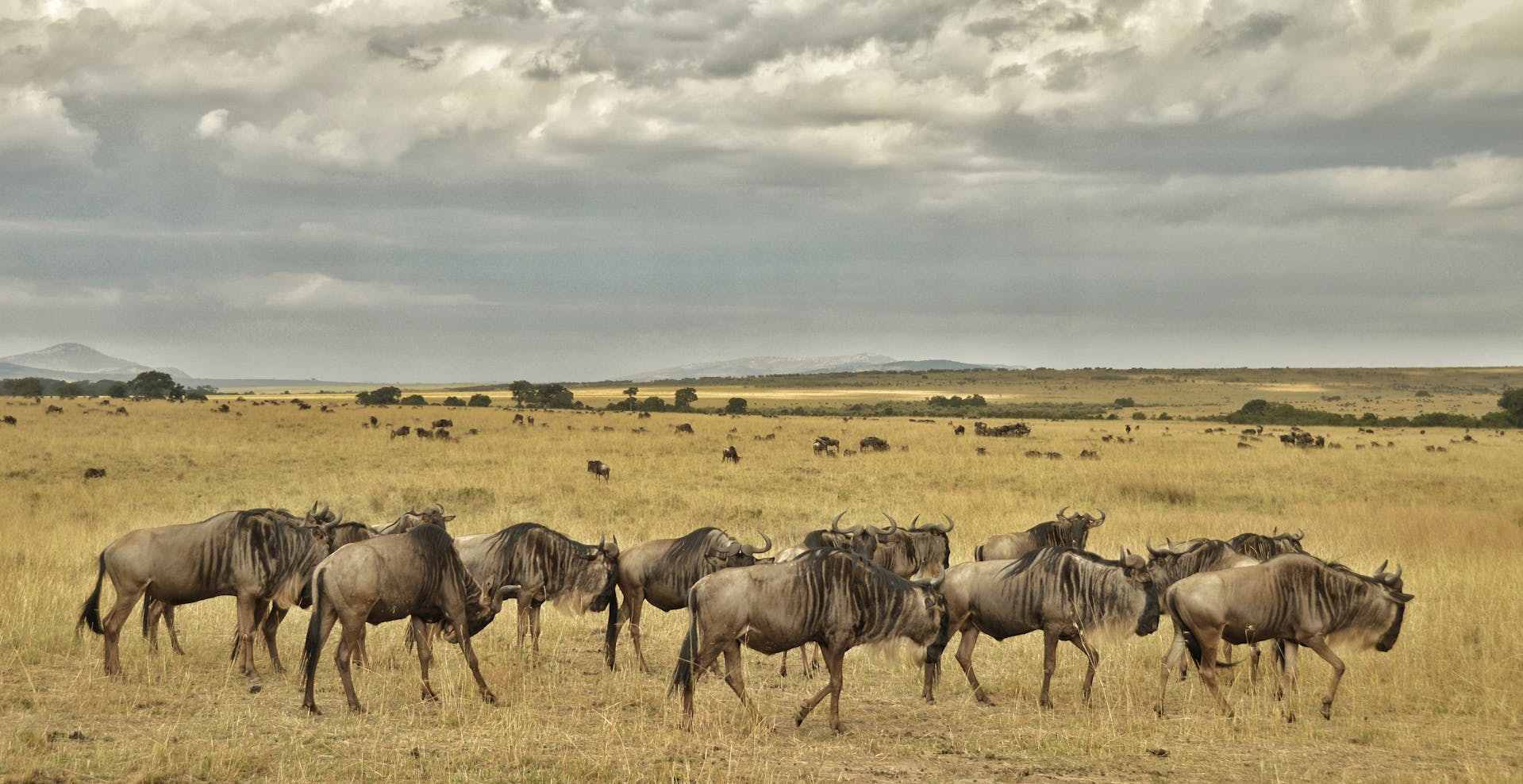
  • Western Corridor: From May to July, the migrating wildebeest herds pass through this region, making it a highlight of Serengeti Migration Safaris.
pexels-christophe-b-353671055-14525300
03

Wildlife in Serengeti National Park

When you think of Africa, the name “Serengeti” instantly comes to mind. The main reason people visit this national park is to view animals in their natural, unspoiled environment. Here’s what safari goers can easily spot in the Serengeti: 

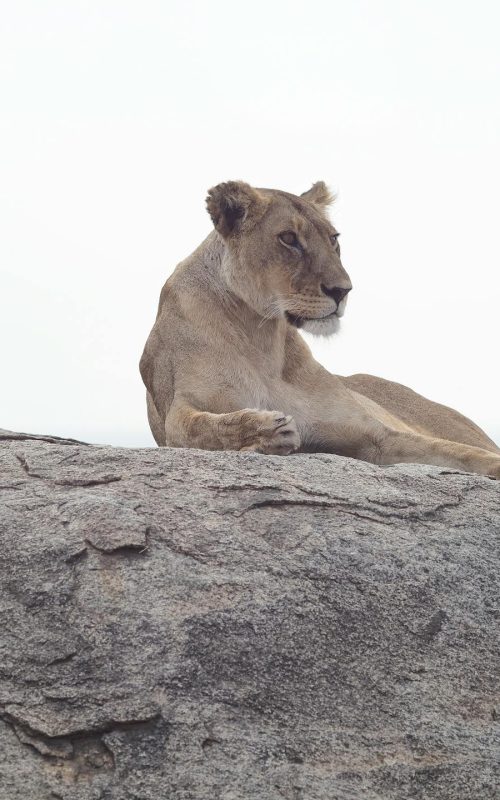
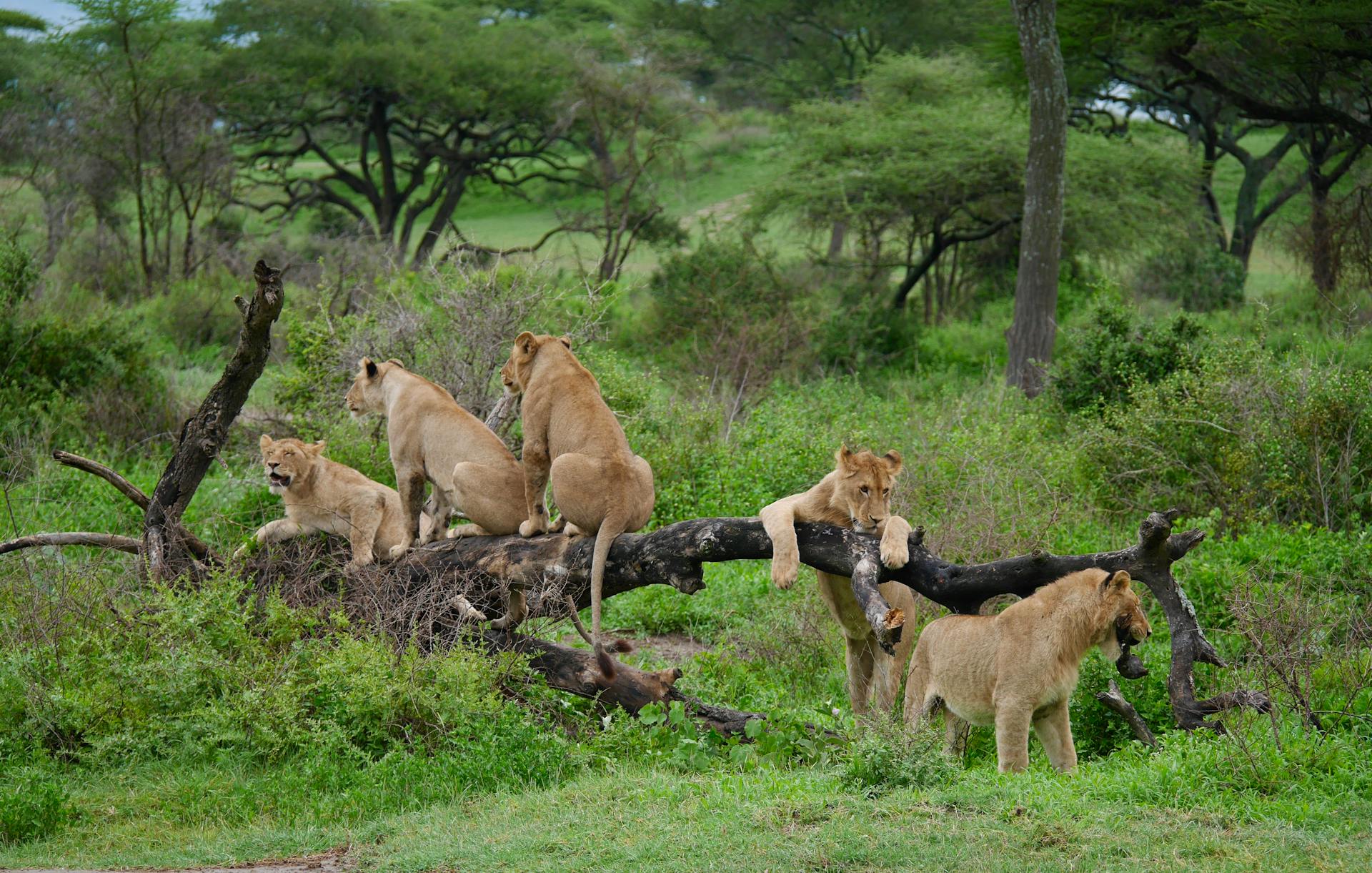
  • The Big Five: The famous Big Five includes lions, leopards, rhinos, elephants and the cape buffalo. Given the Serengeti ecosystem's diversity, spotting the Big Five is common in this park. 
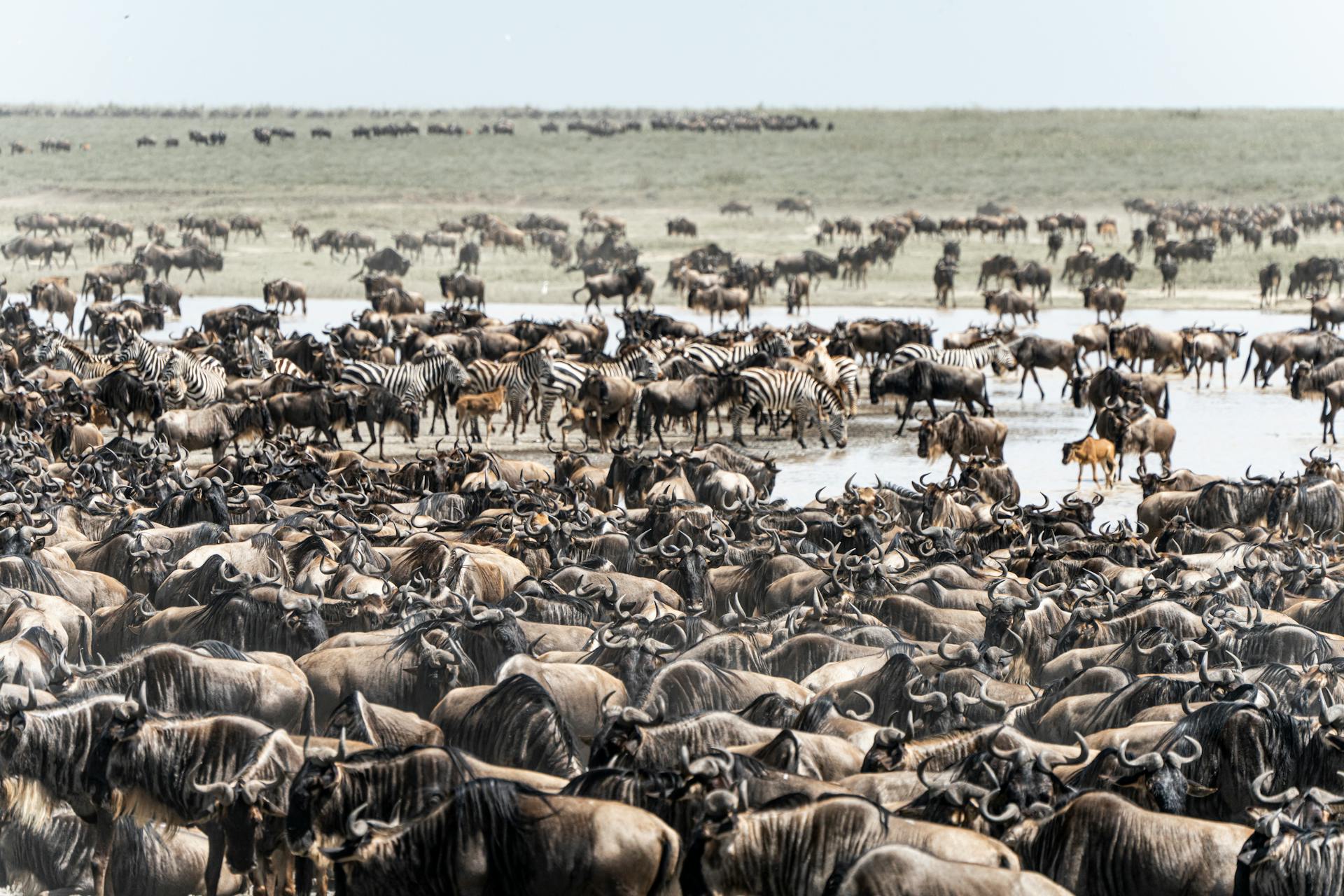
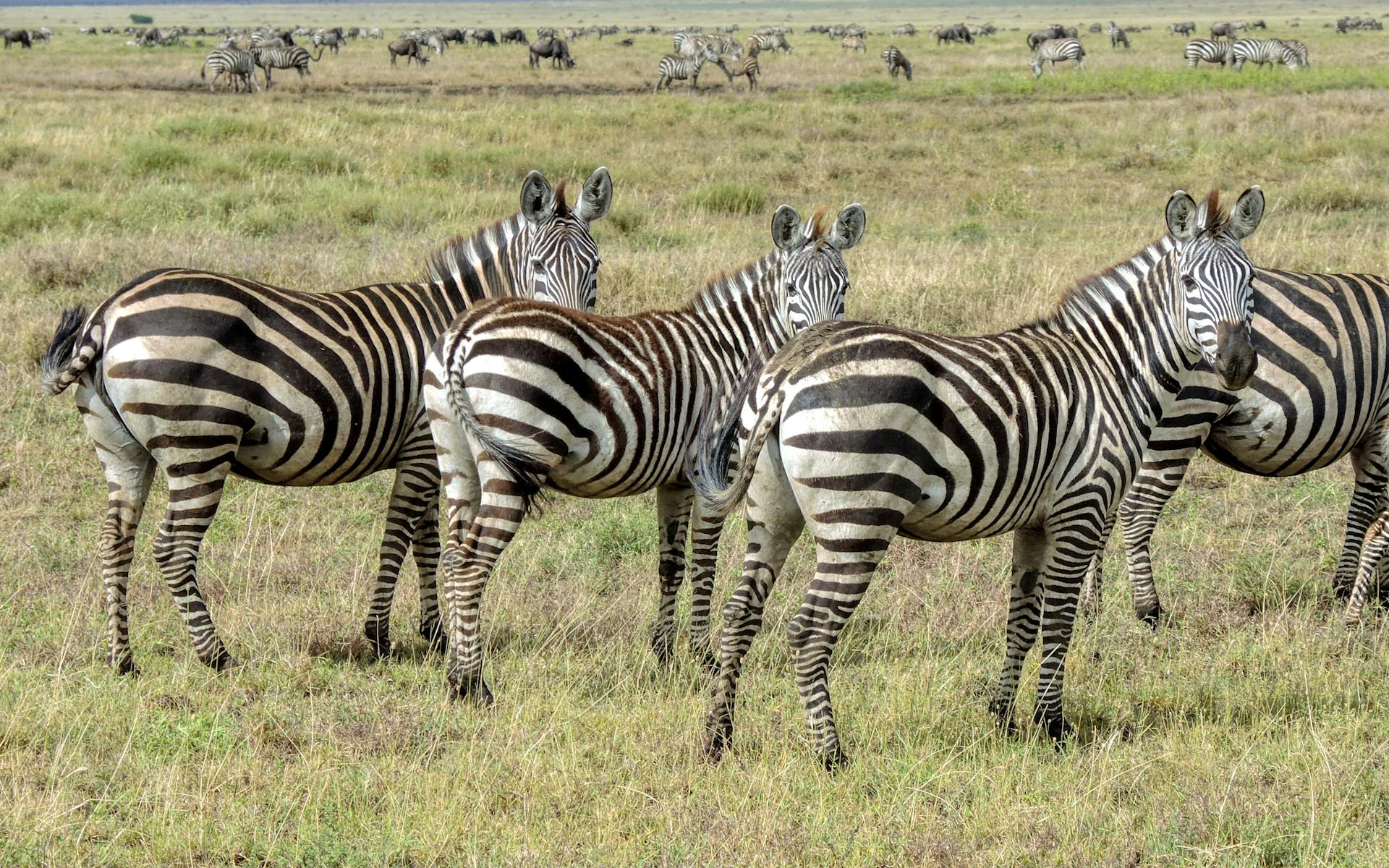
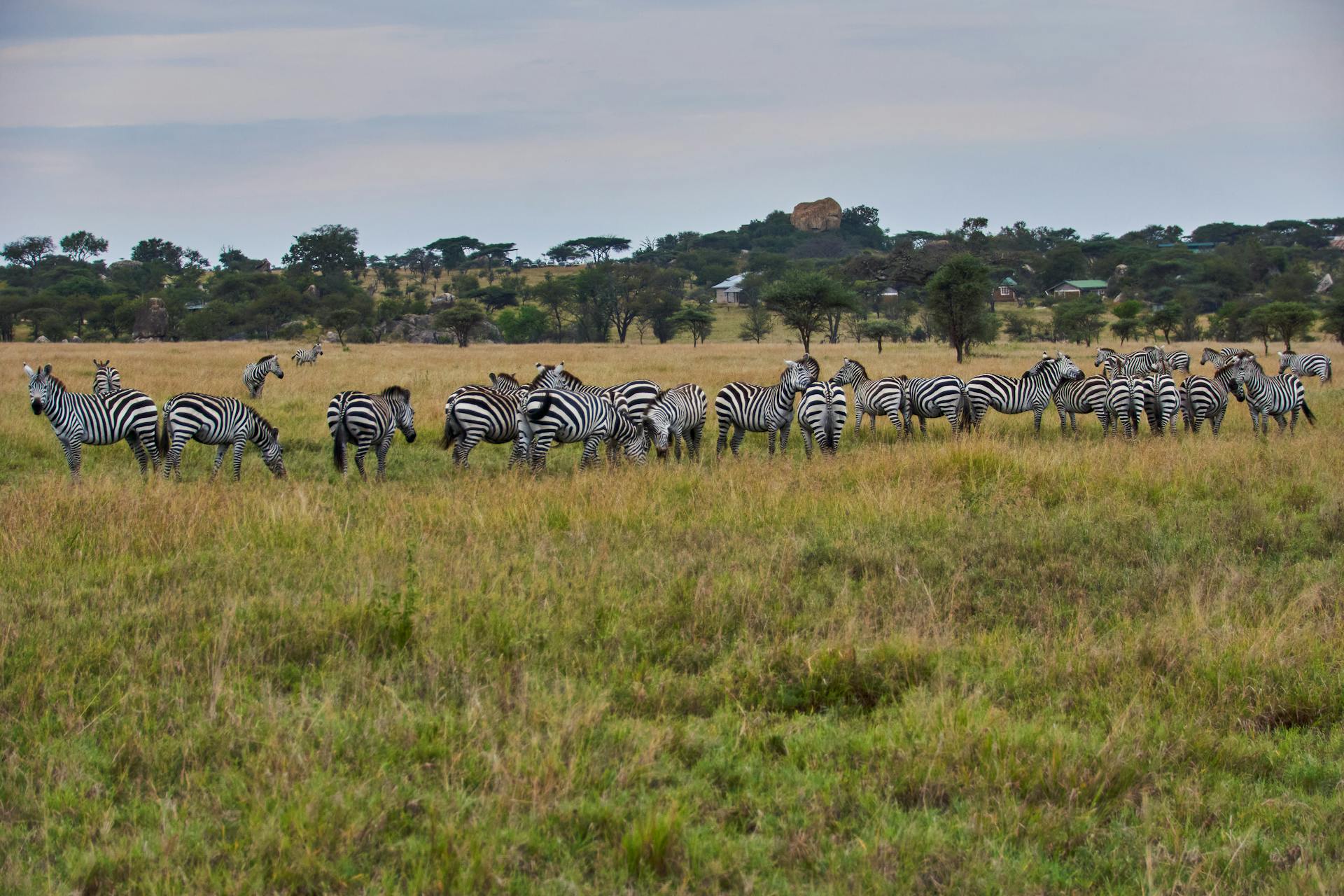
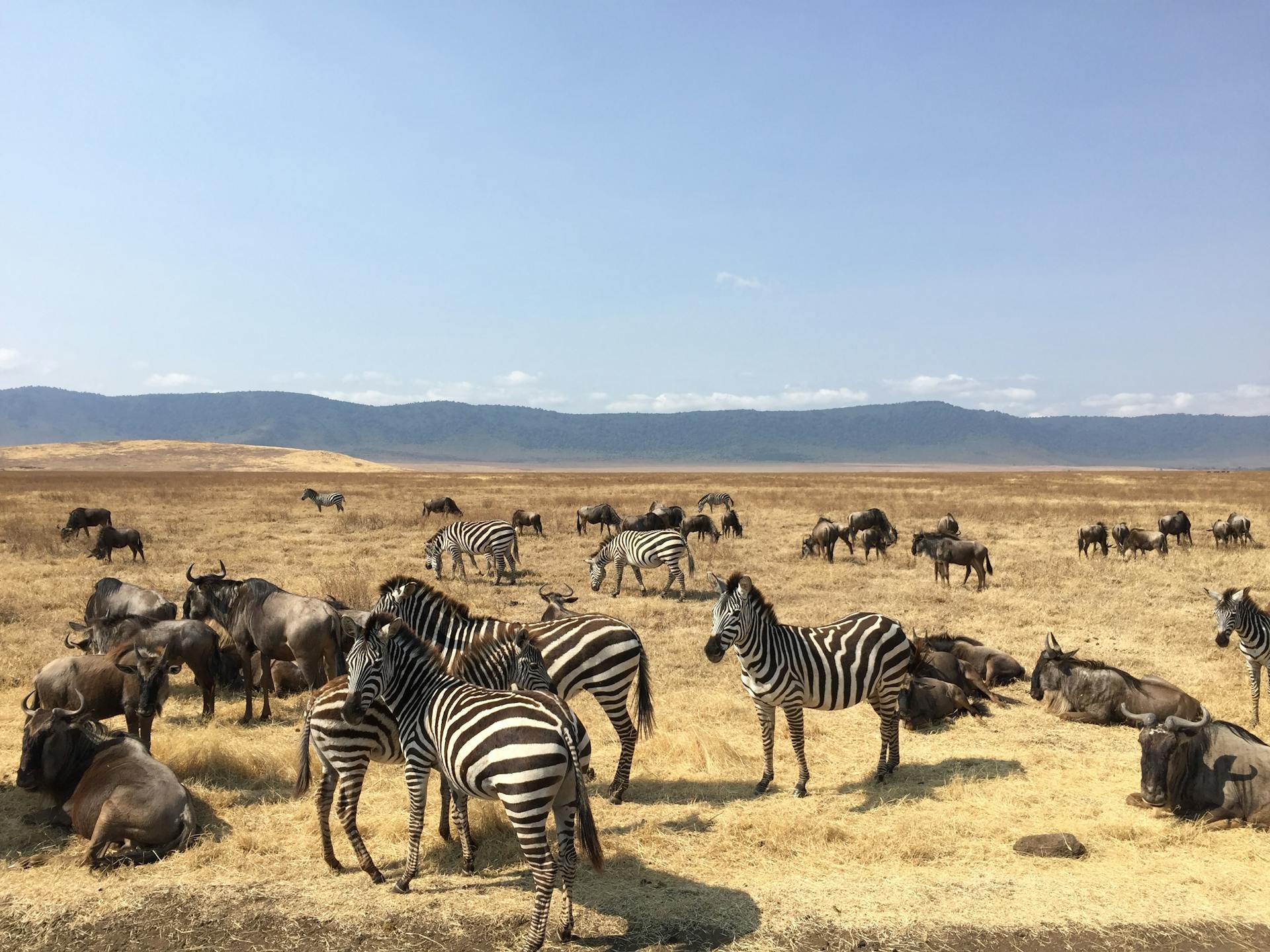
  • Wildebeest and Zebra Herds: About 1.5 million wildebeest migrate annually through the different regions of the Serengeti National Park. Other herbivores, such as zebras, gazelles, and other ungulates, cross the vast Serengeti plains in search of better food, shelter, and birthing conditions. 
  • Hippos and Crocodiles: Semi-aquatic animals such as hippos and crocodiles inhabit the Grumeti in the Western corridor and the Mara River in the north. 
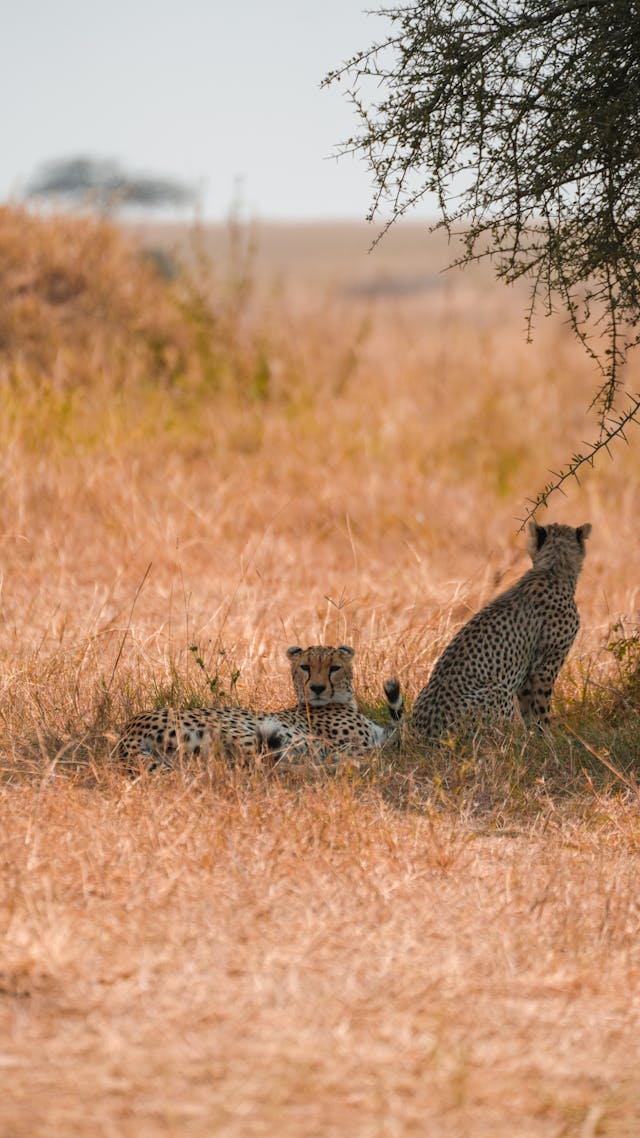
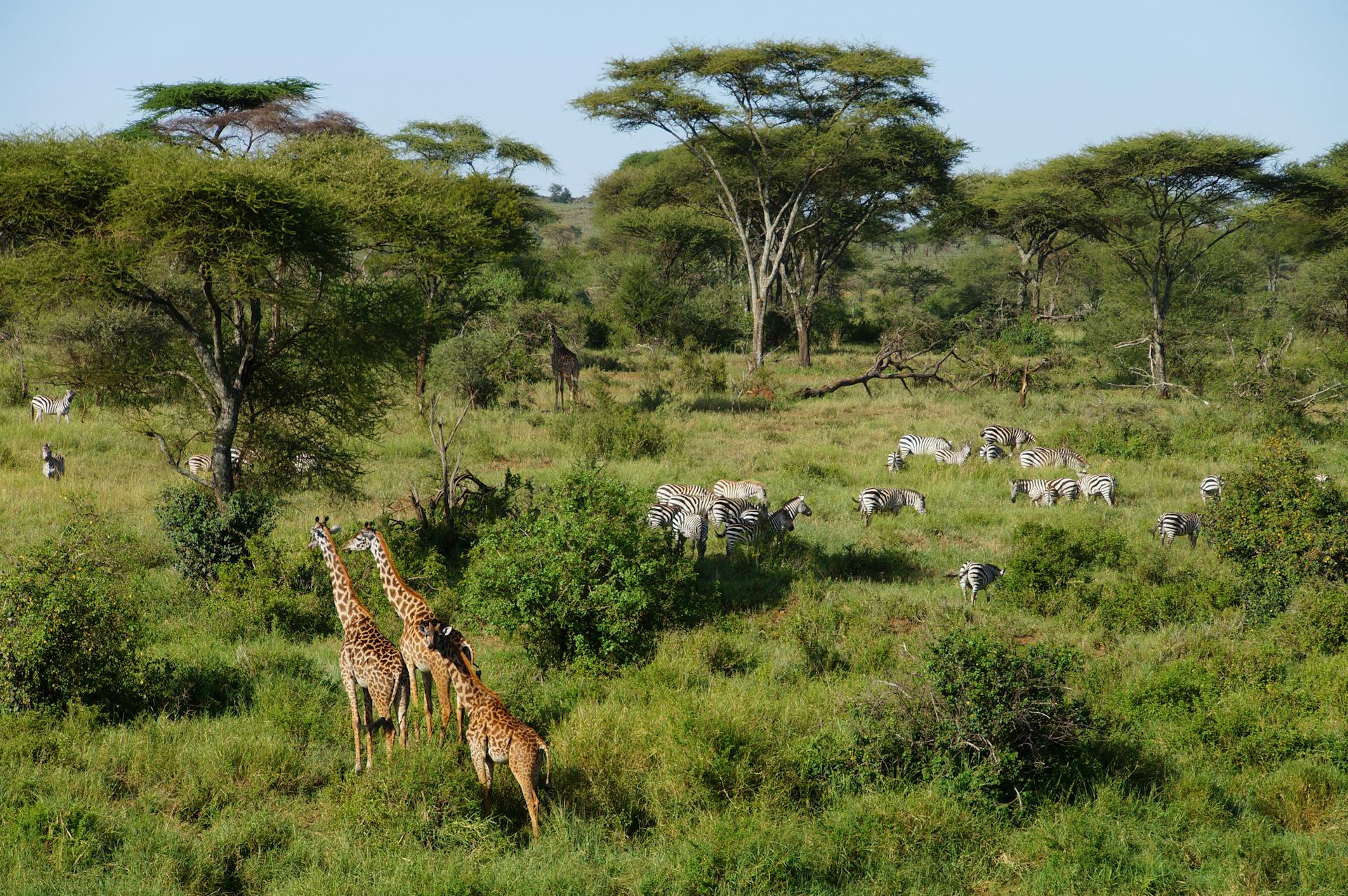
  • Other Animals: One can spot other herbivores such as giraffes, impalas, and warthogs, while the world’s fastest land animal, the cheetah, also inhabits the Serengeti plains. 
  • Birdlife: Over 500 bird species are present in the Serengeti, with notable species such as the Secretary bird and the Kori bustard attracting tourist attention.
pexels-bgbennett-20095117
04

Activities in Serengeti National Park

A classic safari includes unique experiences in the savannah. From rich flat soils to the hilly terrains, a wide range of vegetation and diverse habitats flourish across the Serengeti National Park. Here are some of the most popular activities performed on a tour to this safari destination: 

  • Game Drives (Day and Night): Viewing wildlife across various regions of the park in 4x4 safari vehicles, accompanied by experienced guides/drivers. 
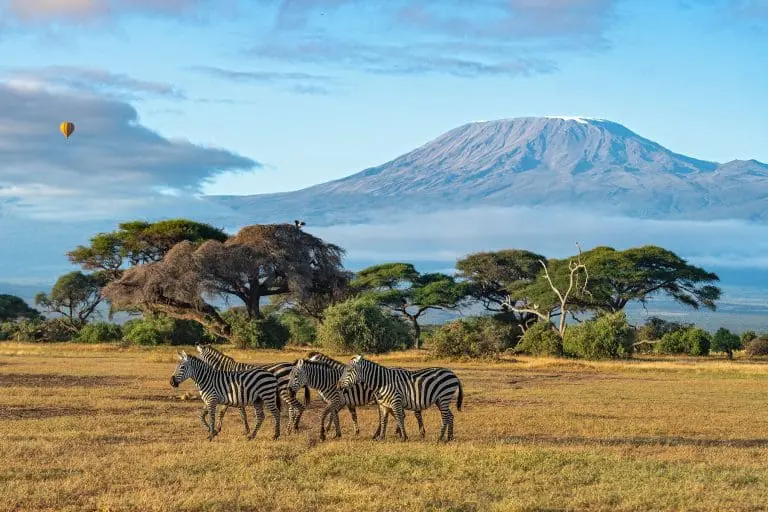
  • Hot Air Balloon Safari: The view from above offers especially picturesque scenery and the opportunity for stunning panoramic photographs.
  • The Great Migration Viewing: Witness millions of wildebeest and zebras move across the plains in nature’s most dramatic spectacle.
  • Birdwatching: Spot a wide variety of bird species across diverse Serengeti habitats.
  • Photography Safaris: Capture iconic wildlife moments against vast, cinematic landscapes.
  • Bush Meals: Dine in the wild with unforgettable views of the African savannah.
  • Cultural Visits: Experience authentic traditions and lifestyles of local communities.

What Makes ? Serengeti National Park Unique

A hot-air balloon safari in Tanzania costs more than other game drives.  Costs often vary by national park. For example, a hot-air balloon ride in the Serengeti National Park costs around $500 per person for a one-hour ride. At the same time, Tarangire National Park costs comparatively less, at around $550 per person for an hour ride. In Serengeti, you get the chance to witness the Great Migration.

Serengeti National Park

Visit this awesome safari destination for your Tanzanian adventure.

Tour Highlights

  • The Great Migration spectacle
  • Endless golden plains
  • Big Cat sightings (lion, cheetah, leopard)
  • Sunrise & sunset game drives
  • Hot air balloon safaris
  • Iconic wildlife photography
  • River crossings drama
  • Luxury tented camps
  • Year-round wildlife viewing
  • Classic “Africa” experience


FAQ

Yes, absolutely. The Serengeti National Park has designated camping grounds where tourists can camp within the park overnight.

Self-drives are not recommended in the Serengeti, due to risks of unpredictable animal behaviour and unknown trails. Hence, experienced drivers/guides accompany each safari vehicle for an adventurous game drive.

You’ll find everything from campsites to mid-range and luxury lodges. Our Serengeti Safari packages cater to every kind of traveller, offering a range of comfort levels.

As of 2025, there are around 2,500 elephants inside the premises of Tarangire National Park.

The word  Serengeti comes from the Maasai language, known as Maa. It is derived from the word “serengit”, which means endless plains or the land that runs on forever.

Yes, most of the areas have coverage; some remote areas might not. All of our Serengeti lodges offer 24/7 Wi-Fi for all types of devices, enabling communication and networking.

Scroll to Top