1. Home
  2. »
  3. Nyerere National Park

Nyerere National Park

aron-marinelli-J0Ve5PYeucc-unsplash
01

History of Nyerere National Park

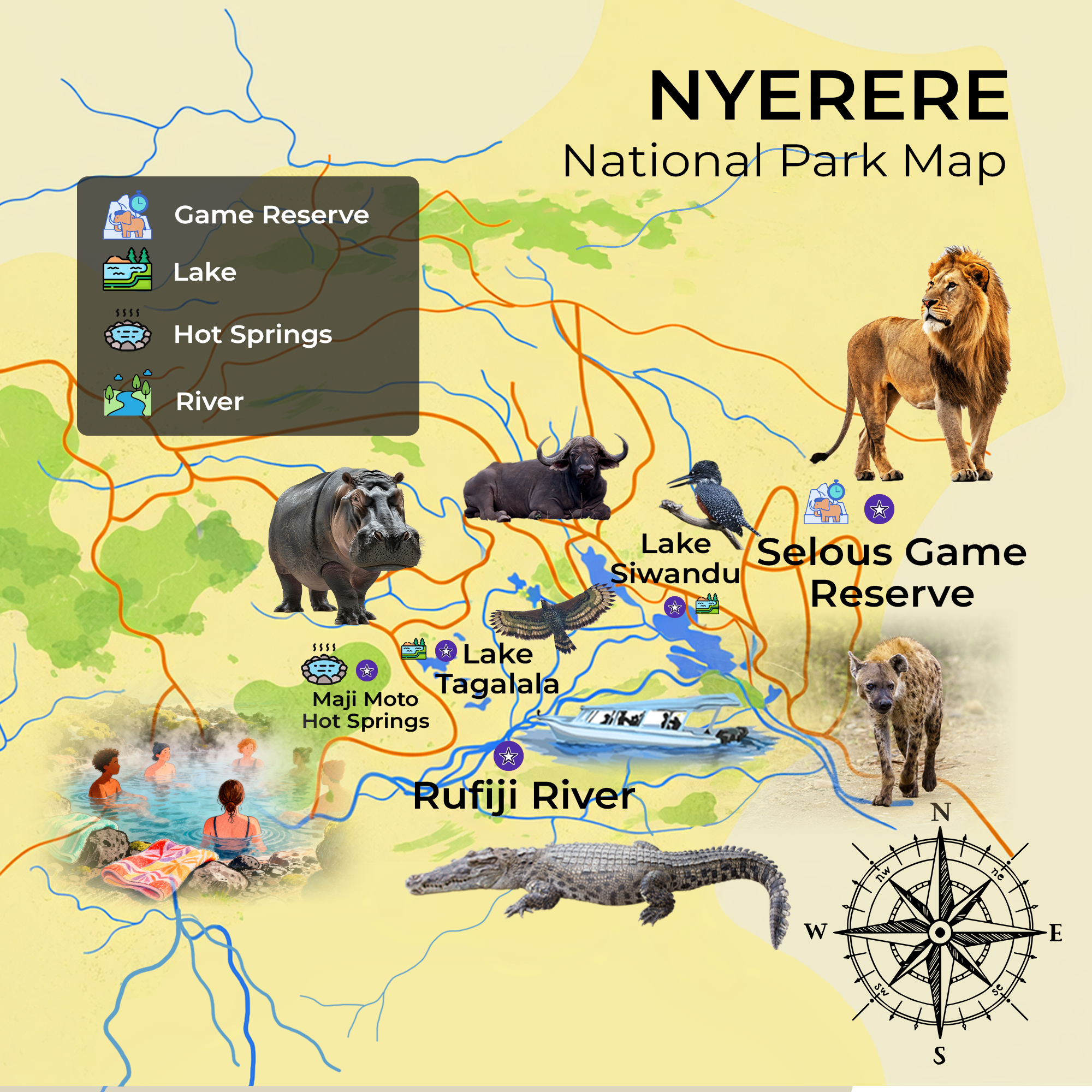
Nyerere National Park, formerly known as Selous Game Reserve, is Tanzania's largest national park. Originally, this was a part of the vast Selous Game Reserve, established during the British Colonial Rule in 1922. It is one of the largest protected wildlife areas, preserving wildlife from hunting, poaching, and the exploitation of natural lands. In 2019, the Northern section of the Selous Game Reserve was designated as Nyerere National Park, named after Tanzania’s first president, Julius Nyerere. This national park stands out as an off-the-beaten-path safari destination for its undiscovered spots and wildlife.

02

Famous Spots in Nyerere National Park

Nyerere National Park is famous for its mighty Rufiji River and the vast, untouched wilderness it encompasses. This total protected area covers roughly 30,000 sq kilometres and is characterised by extensive wetlands, woodlands and large wildlife populations. The following are the famous spots to visit in this national park: 

  • Rufiji River: This is East Africa’s largest river and is the lifeline of the park. It is approximately 600 km long, with its source in south-western Tanzania and its terminus in the Indian Ocean, right opposite Mafia Island. 
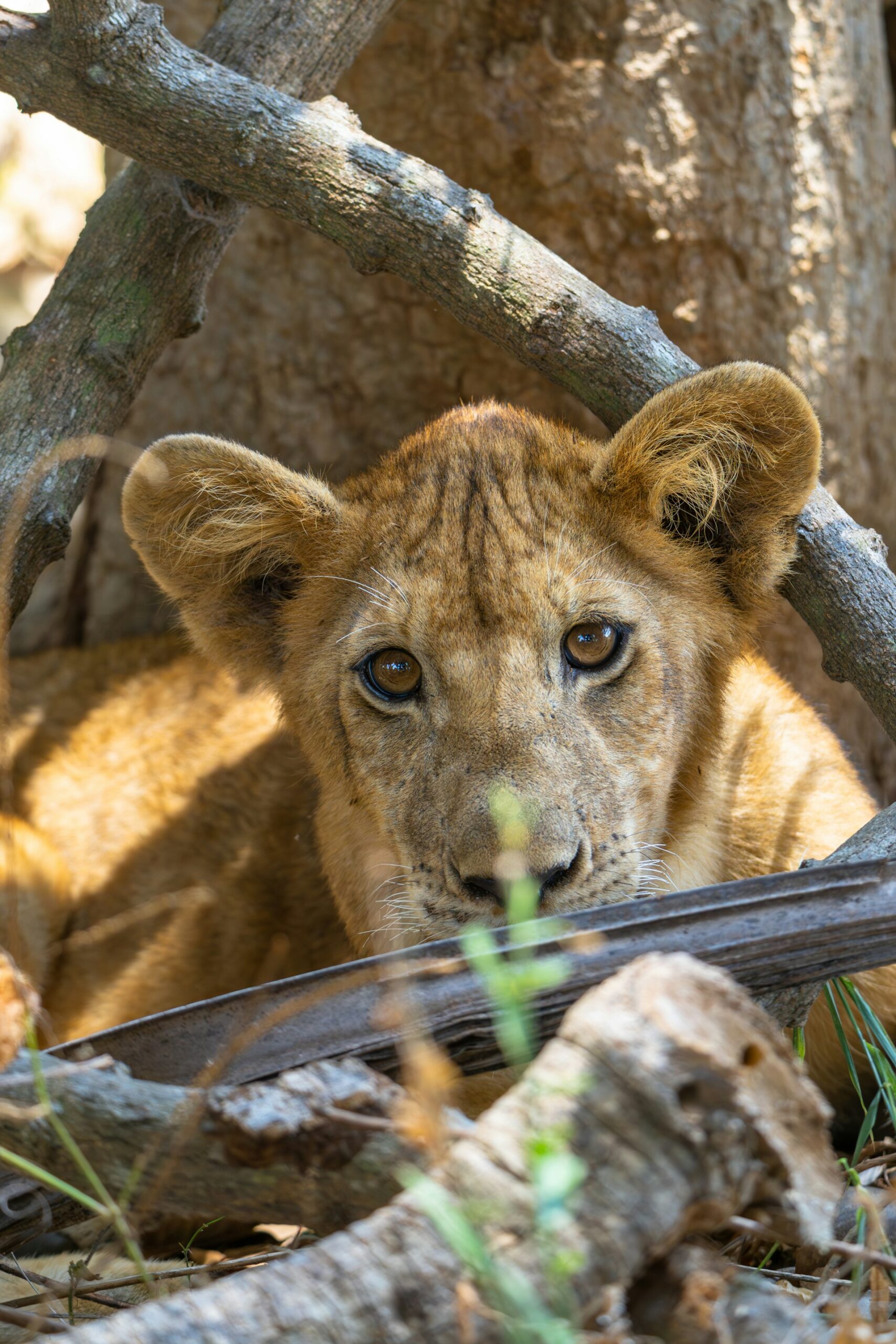
  • Lake Manze and Siwandu Area: This area is known for excellent game viewing and a prime spot for tracking lion prides and rare African wild dog. 
  • Beho Beho Hills & Hot Springs: Located in the higher northern part of the park, these areas offer scenic beauty and walking safaris alongside volcanic hot springs. 
  • Steigler’s Gorge: This dramatic 100-metre-deep, 100-metre-wide gorge on the Rufiji River offers a stunning view of the surrounding landscape. 

Oxbow Lakes: These secluded water bodies are fantastic for seeing a large number of wildlife, especially during the dry season (July-October)

03

Wildlife in Nyerere National Park

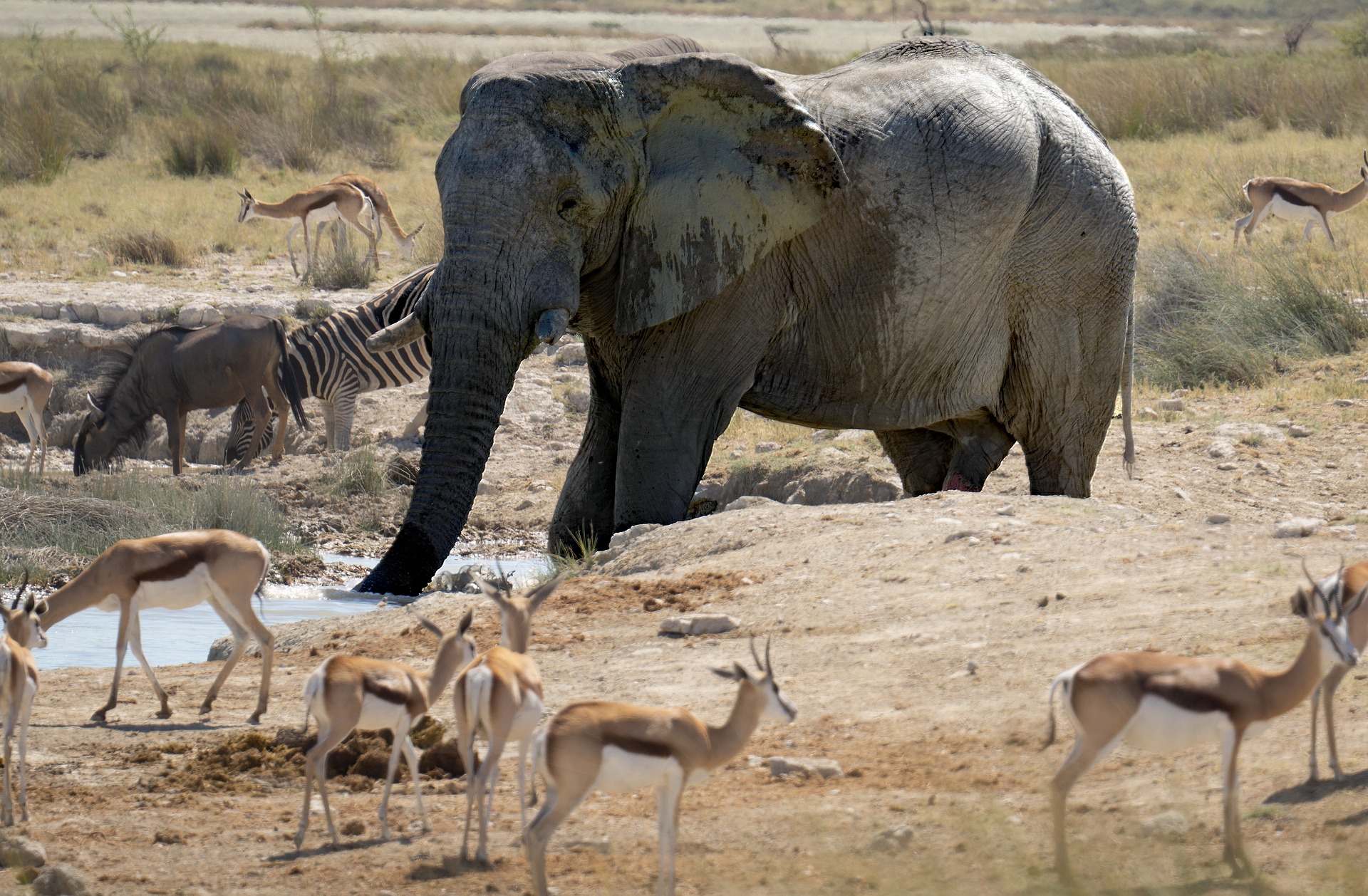
Nyerere National Park offers an amazing array of wildlife and is ideal for game-viewing and photography. The vegetation, especially the Miombo Woodland, shelters diverse wildlife, and unlike popular national parks, this region remains less crowded. Visitors coming to Nyerere National Park can spot the following species of wildlife: 

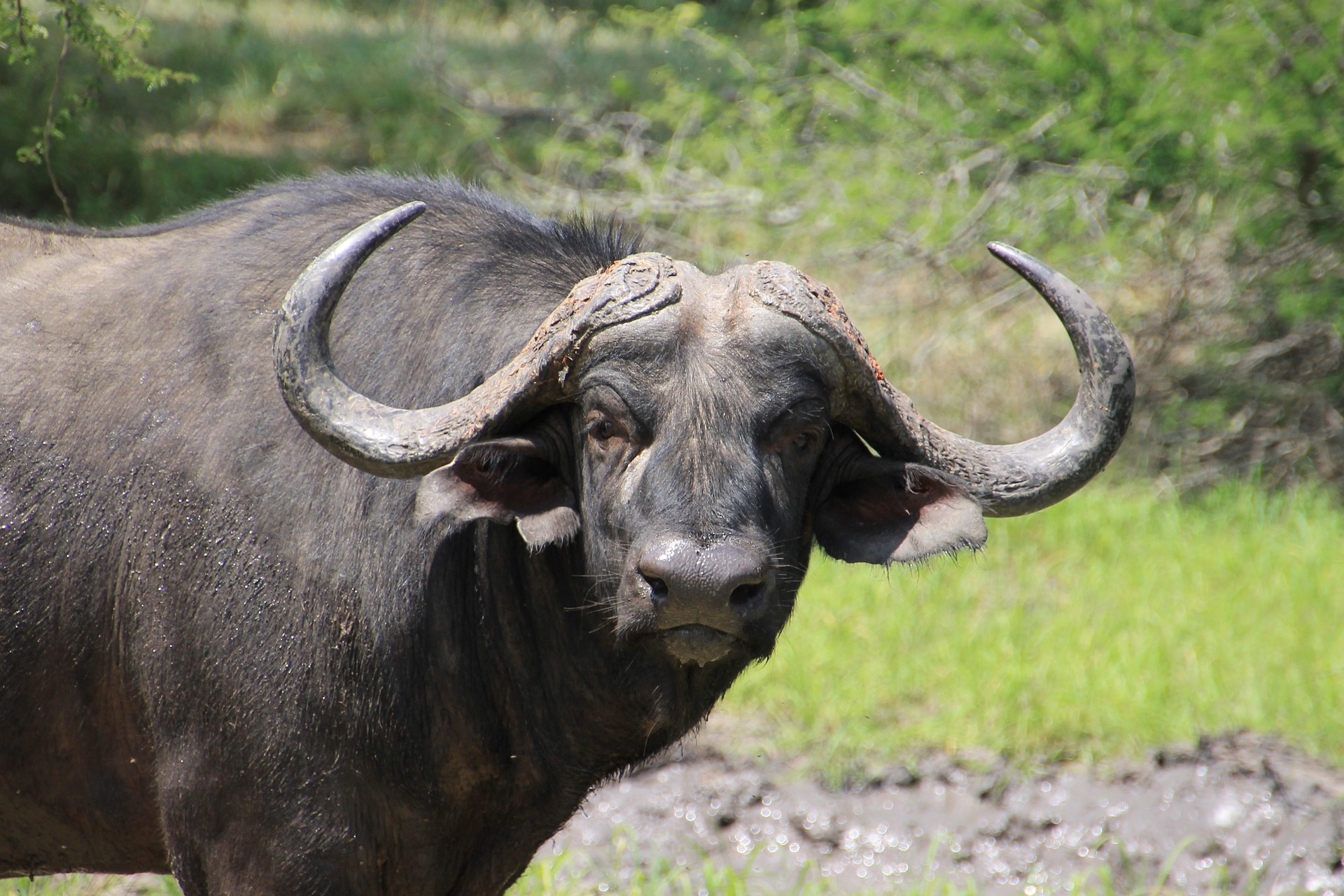
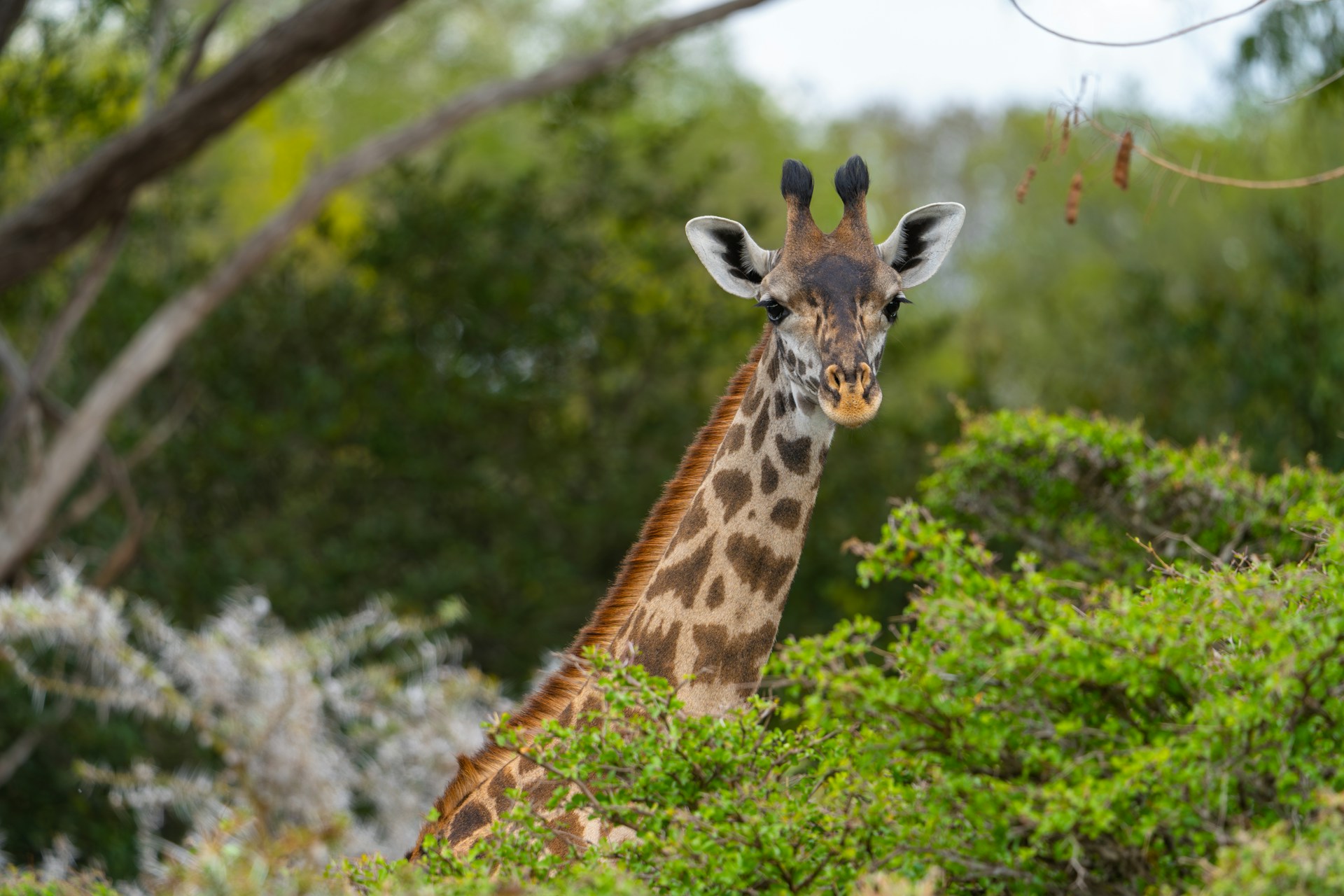
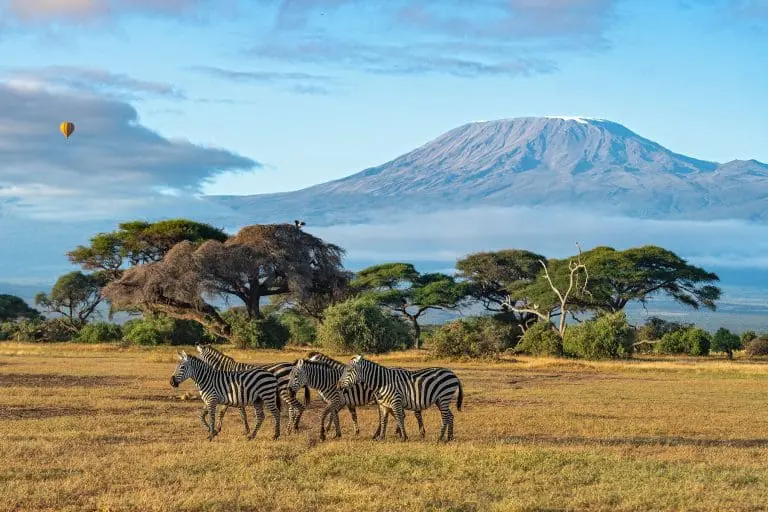
  • Big Nine: The Big Nine are essentially The Big Five, with the addition of cheetah, giraffe, zebra, and hippopotamus, making this safari destination a suitable spot. 
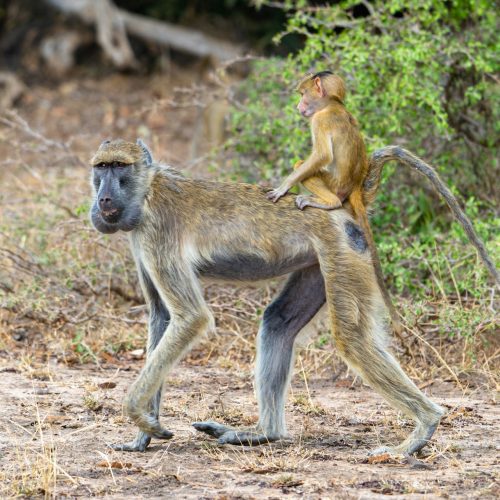
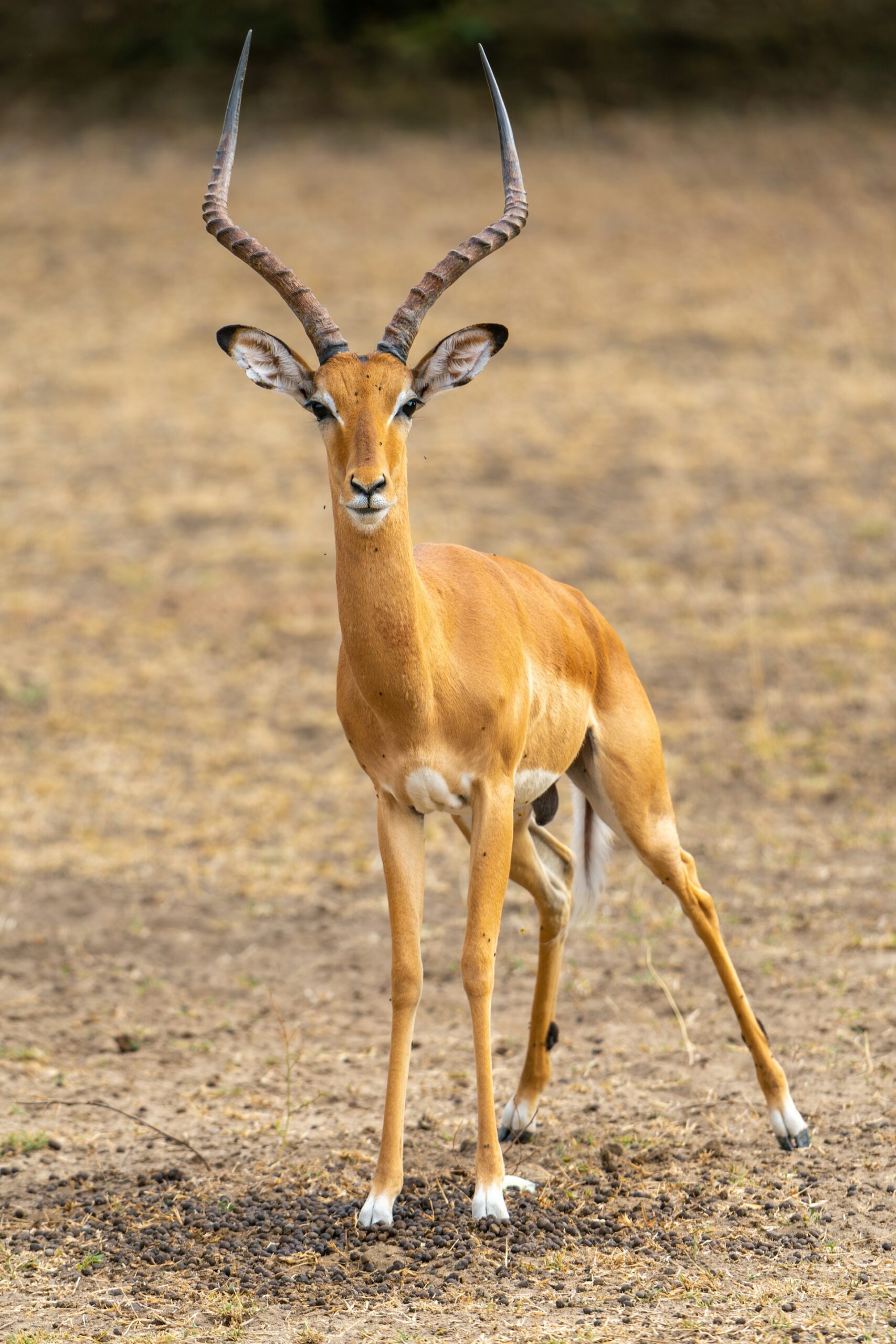
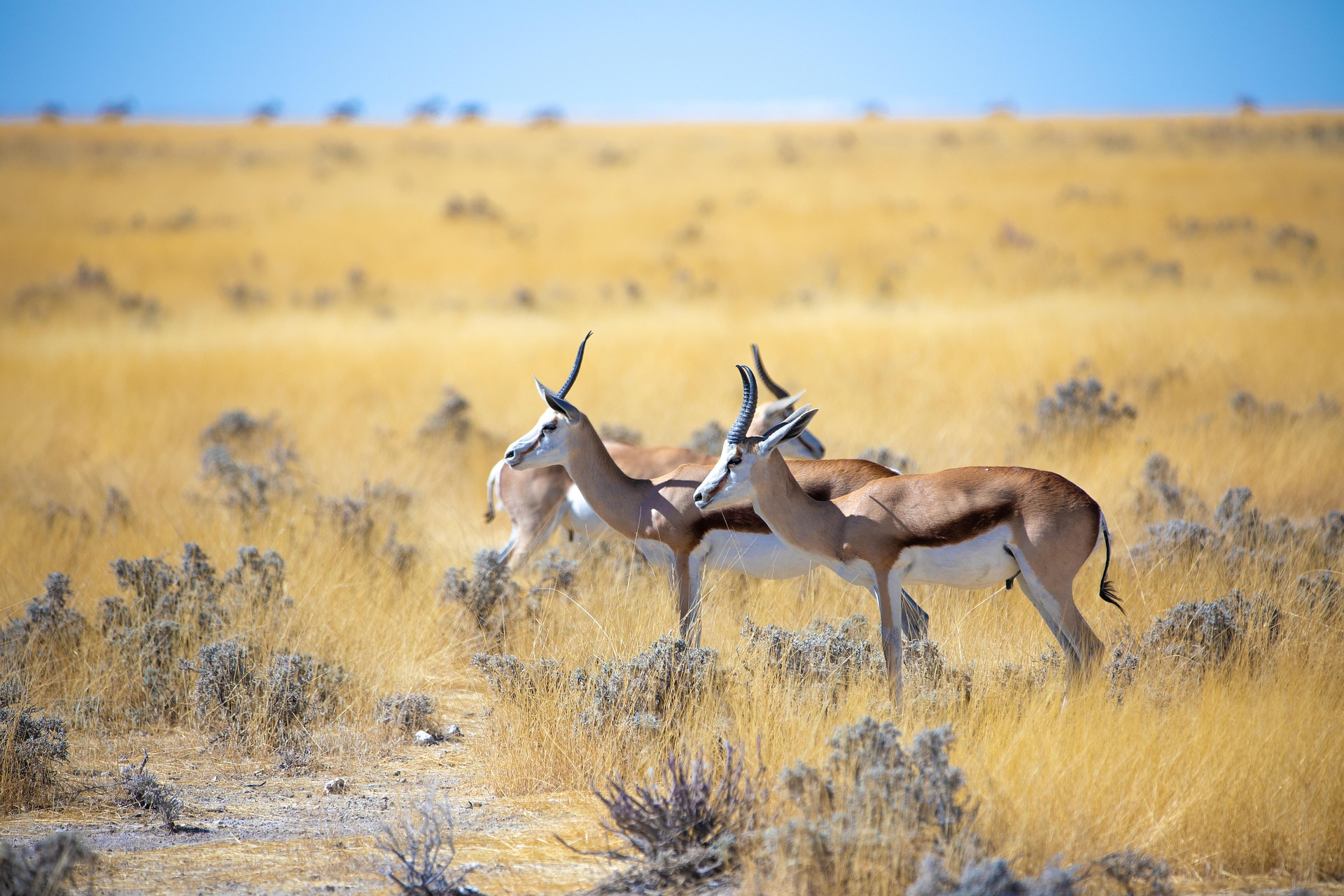
  • Other Mammals: Predators like endangered African wild dogs and spotted hyenas, antelopes like bushbuck, waterbuck and Coke’s Hartebeest and Common Eland. 
    • Other Herbivores: Wildebeest herds are common in most national parks in Tanzania, and Nyerere is no exception. 
  • Semi-Aquatic animals: Nile crocodile is the most common crocodile species present in the mighty Rufiji River flowing through this national park. 

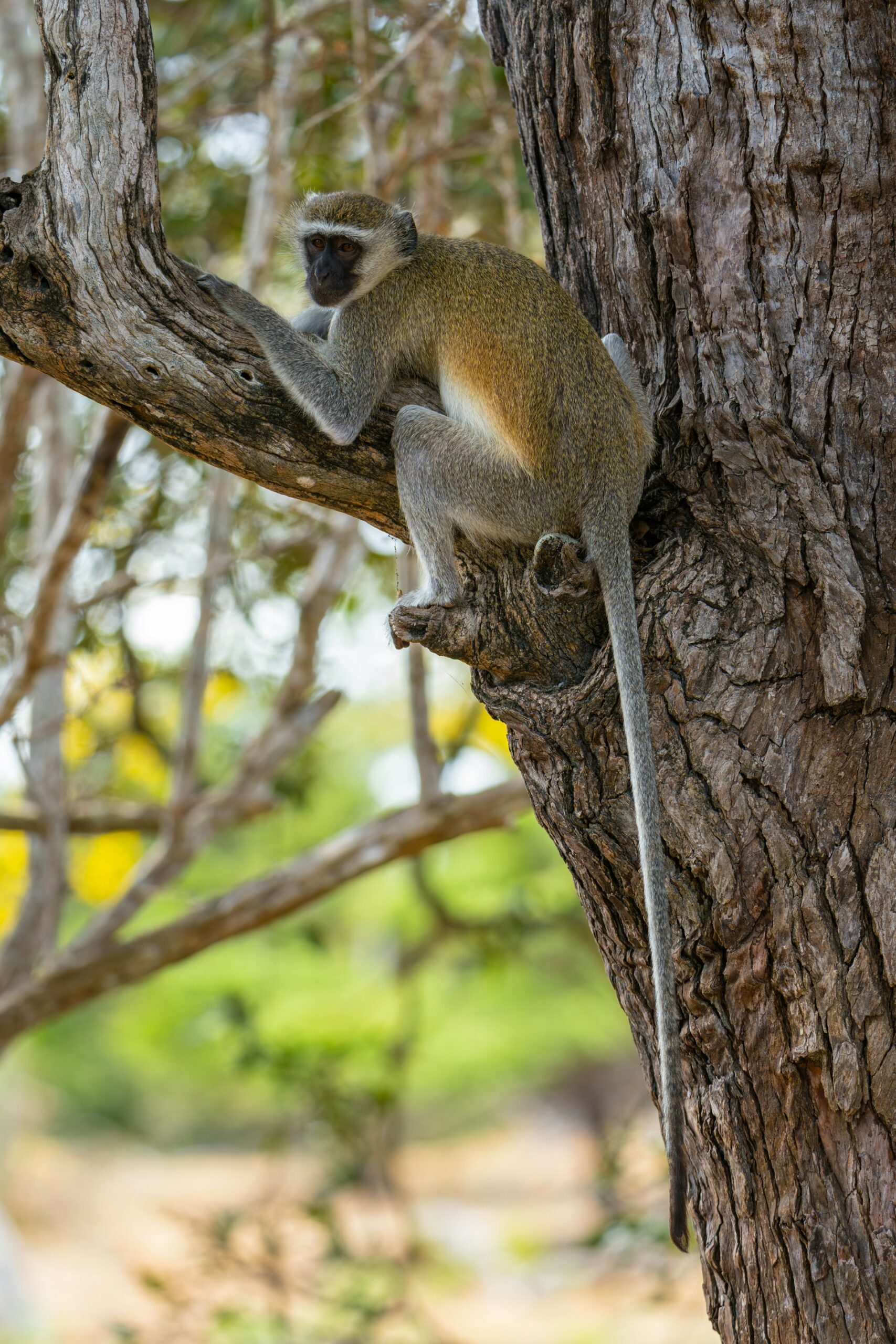
Vervet Monkey: This species of monkey lives in groups of 10 to 15 and is commonly spotted in the adjoining forest areas of the national park.

04

Activities in Nyerere National Park

Despite its remote location and rugged wilderness, Nyerere National Park offers surprisingly easy logistics for visitors. Compared to other national parks, this safari destination experiences fewer crowds even during the peak season.

At Tanzania Adventures and Safaris, we assist our travellers with the following activities: 

  • Game Drives: Explore open plains and woodlands teeming with elephants, lions, giraffes, and wild dogs. Morning and evening drives in our 4x4 safari vehicles offer the best wildlife sightings.
  • Boat Safaris: Cruise along the Rufiji River, spotting hippos, crocodiles, and birds up close, one of the park’s most unique experiences.
  • Walking Safaris: Step into the wild on guided walks to learn about tracks, plants, and smaller species often missed on drives.
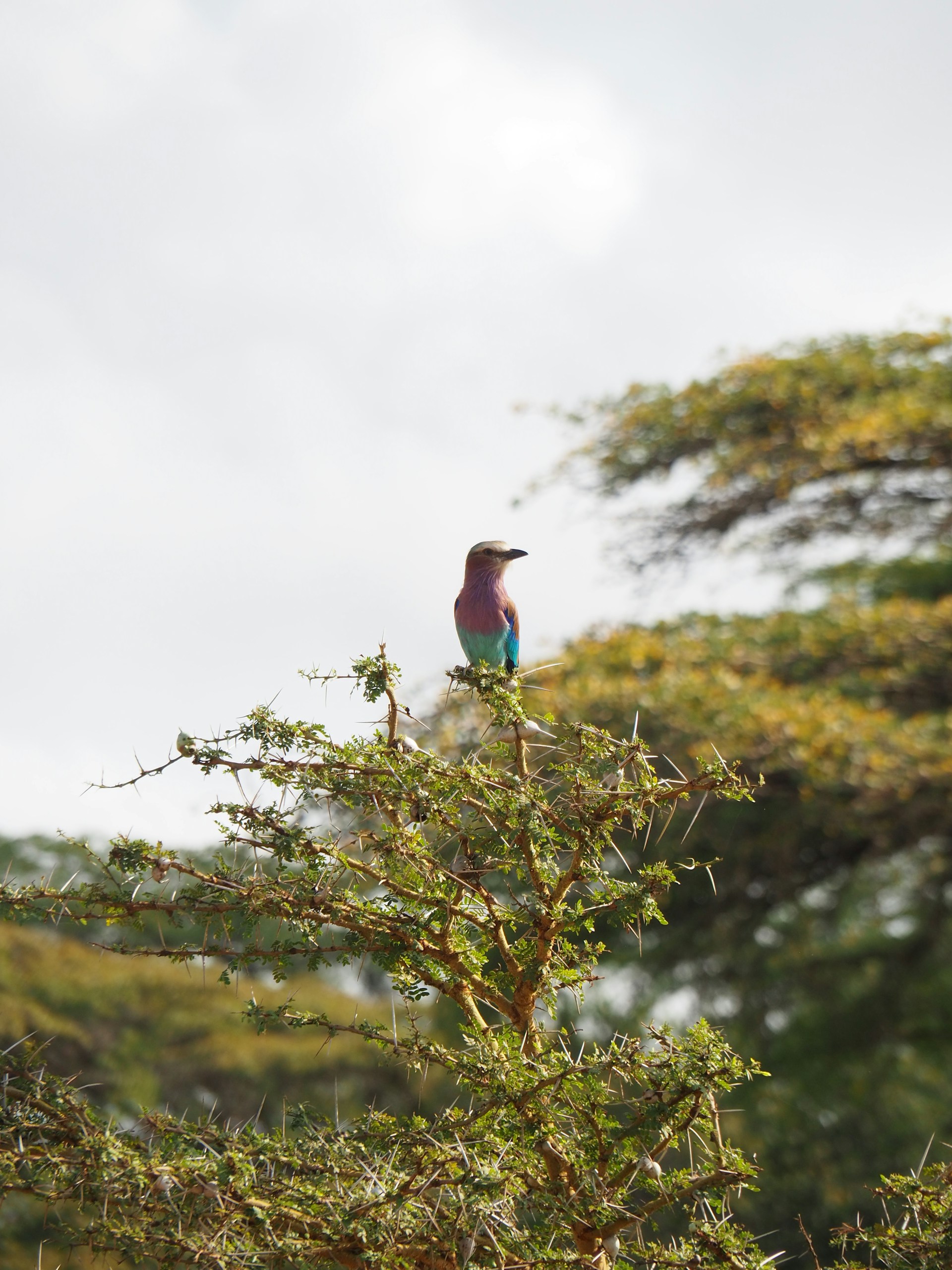
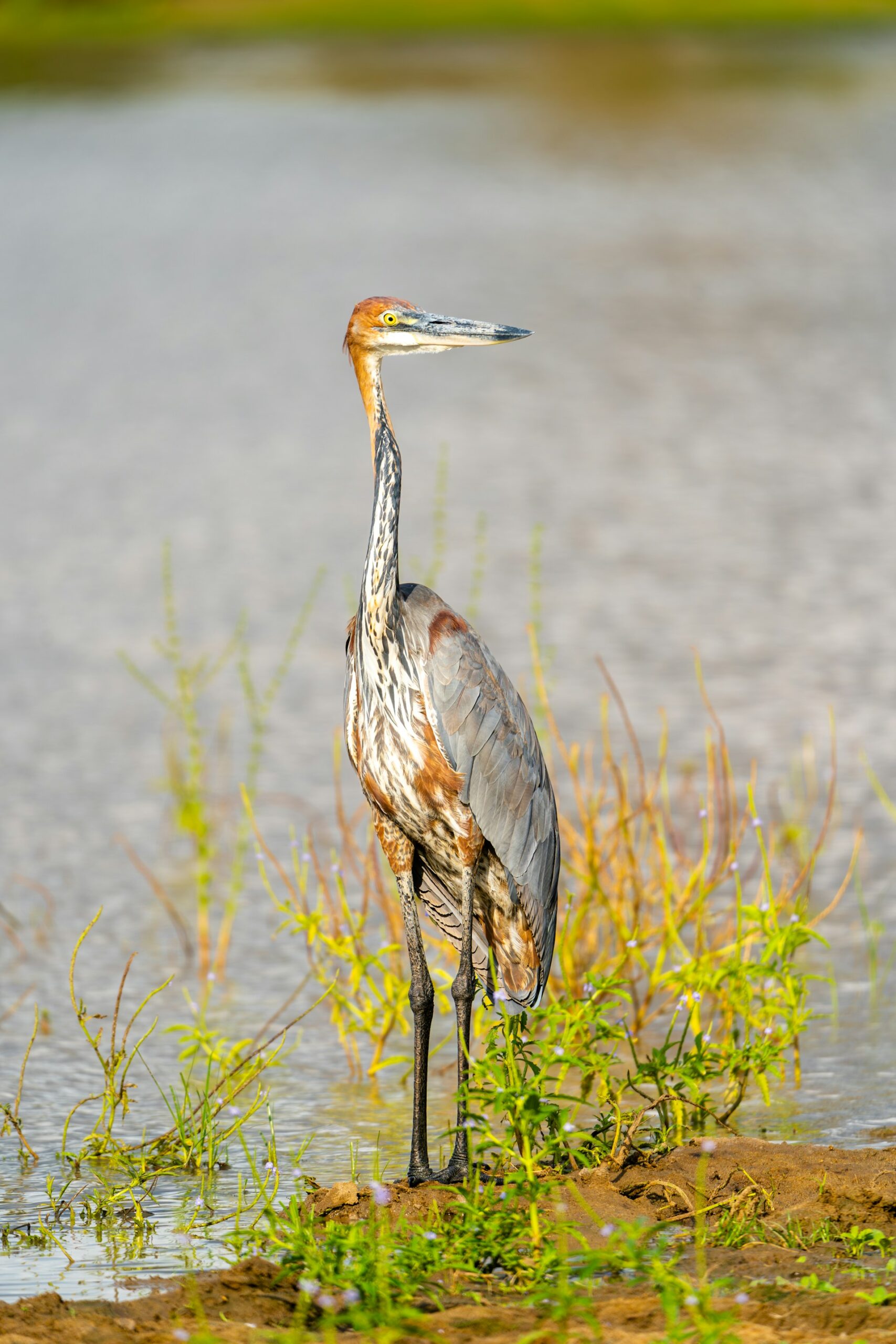
  • Birdwatching: With over 400 species, the park is a paradise for bird lovers, from fish eagles to kingfishers.
  • Fishing Experiences: Enjoy catch-and-release fishing in designated areas of the Rufiji River.

Fly Camping: For the adventurous, spend a night under the stars in the heart of the wilderness for a truly immersive safari.

What Makes Nyerere National Park Unique?

Nyerere National Park stands out as one of Africa’s most untouched and authentic safari destinations, offering a rare sense of scale and solitude. Unlike crowded parks, its vast landscapes remain largely unexplored, giving visitors a more private and immersive wildlife experience.

What truly sets it apart is the presence of the Rufiji River, one of East Africa’s largest river systems, which enables unique boat safaris alongside traditional game drives. This creates opportunities to witness wildlife from both land and water.

The park is also home to one of the largest populations of endangered African wild dogs, making it a significant conservation hotspot. Additionally, its diverse ecosystems, ranging from open savannahs to wetlands and dense woodlands, support a wide variety of wildlife and bird species.

In essence, Nyerere offers a quieter, richer, and more diverse safari, far from the usual tourist trail.

Nyerere National Park

Visit this awesome safari destination for your Tanzanian adventure.

  • One of Africa’s largest protected areas
  • Home to the mighty Rufiji River system
  • Boat safaris with close wildlife encounters
  • Walking safaris for immersive exploration
  • Large populations of elephants and wild dogs
  • Diverse landscapes, rivers, lakes, and plains
  • Fewer crowds, more exclusive experiences
  • Rich birdlife and aquatic species
  • Classic “off-the-beaten-path” safari feel
  • Part of the historic Selous ecosystem

View Gallery

FAQ

They allow close-up views of hippos, crocodiles, and birdlife along the Rufiji River, something not commonly available in most parks.

It’s ideal for those seeking a quieter, more raw safari, though slightly less commercial than popular parks.

Mostly yes, but heavy rains in April–May can affect accessibility and lodge operations.

Yes, there are several high-end lodges with river views, private decks, and immersive wilderness settings.

Yes, they are conducted by trained guides and armed rangers, making them both safe and informative.

Scroll to Top