- Home
- »
- Mikumi National Park
Mikumi National Park

01
History of Mikumi National Park
Mikumi National Park is Tanzania’s fourth-largest national park, covering 3,230 sq km, and is often referred to as the “Serengeti of the South.” It was established in 1964 and has risen through several landers after it was gazetted as a national park. Until 1975, Mikumi served as a small game reserve, and more land from both the South and the North was added to the park. Currently, Mikumi National Park is the 4th-largest national park in Tanzania and connects to the largest, Nyerere National Park.

02
Famous Spots in Mikumi National Park
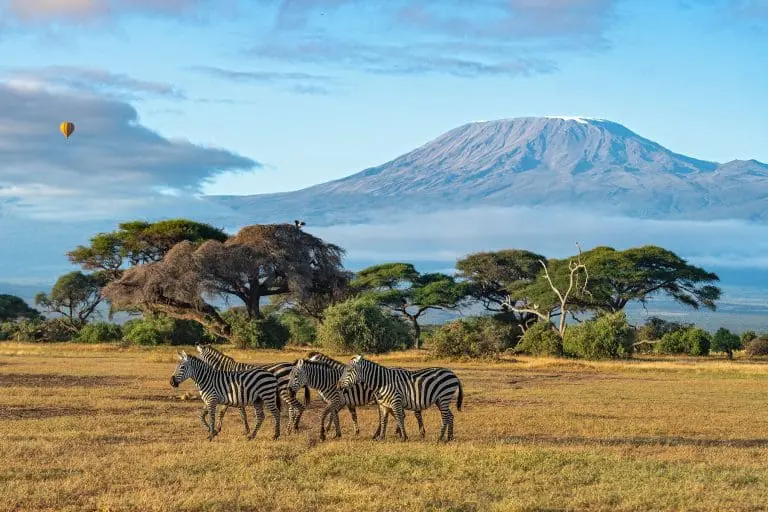
Mikumi National Park lies between the Uluguru Mountains in the North East and the Udzungwa Mountains to the southwest. With scenic open grasslands and green mountains in the background, this safari destination offers a fabulous experience to tourists. Typically, the following famous spots are most visited by tourists:
- Mkata Floodplains (Mini Serengeti): This is the most popular area for game drives, as the open grasslands are similar to those of Serengeti. It offers a higher chance of spotting various wildlife while travelling in 4x4 safari vehicles.
- Hippo Pools: Located just outside the Mkata region, these pools are famous for offering close-up views and are home to a high concentration of hippos and crocodiles in their natural habitat.
- Vuman Hills and Southern Region: This area offers a contrast and dense habitat, involving a diverse landscape of hills and miombo woodlands. The dense habitat makes this place perfect for spotting diverse wildlife.
- Cultural Village Visits: Local villages and nearby communities are sometimes explored in cultural tours, assisted by experienced guides.
03
Wildlife in Mikumi National Park
A wide range of wildlife inhabits Mikumi National Park, nicknamed the Little Serengeti. If you are bored with the main national parks like Serengeti and Tarangire, Mikumi is your perfect choice. Here are some of the wildlife that are typically spotted:
- Big Five (without Rhino): One can spot animals from the Big Five, including lions, leopards, elephants, and buffalo, roaming. However, rhinos are not naturally found in this region.
- Other Predators: Spotted hyenas and endangered African wild dogs can be spotted in this national park.
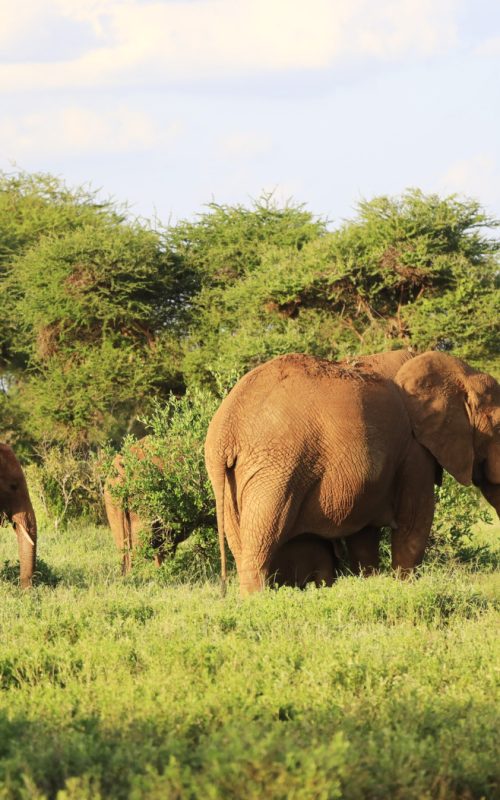
- Herbivores: Elephants and giraffes are very common and are frequently spotted in the acacia woodlands. Other than that, wildebeests and impalas are also found. Mikumi National Park is known for its eland population (world’s largest antelope), greater kudu and Lichtenstein's hartebeest.
- Aquatic wildlife: In the two artificial pools near the main gate, numerous hippos live and create a spectacle for wildlife viewing.
- Birds: Over 400 species of notable birds, including the lilac-breasted roller, bateleur eagle, marabou stork, and yellow-throated longclaw, can be spotted. Other waterbirds, such as the open-billed stork, can also be found in this region.

04
Activities in Mikumi National Park
Mikumi National Park is slated to be a major off-beaten hotspot in the Tanzania Safari travel industry. This fourth-largest national park offers a wide assortment of activities that can be undertaken with expert guidance. Here are some of the popular activities conducted in this safari destination:
- Game Drives: Explore the park in a protected 4x4 safari vehicle with your driver/guide. Expect close encounters with lions, elephants, giraffes, and zebras across the scenic Mkata Floodplain.
- Birdwatching: With over 400 recorded species, the park is a haven for bird lovers, featuring both resident and migratory birds from Europe and Asia.
- Cultural Experiences: Connect with local communities, including the Maasai, and gain insight into their traditions, customs, and way of life.
- Walking Safaris: Step into the wild on guided walks that reveal the finer details of the ecosystem, from unique plants to smaller, often overlooked wildlife.
- Picnic & Camping Spots: Enjoy designated areas for outdoor dining or overnight stays, surrounded by untouched wilderness.
Hippo Pools Visit: A short drive from the main entrance leads to popular hippo pools, where you can observe these massive creatures relaxing in their natural habitat.
What Makes Mikumi National Park Unique?
The unique ecosystems of Mikumi National Park make this destination a sought-after destination for those who want to travel to off-the-beaten-path places. The Mkata floodplain resembles the Serengeti’s savannah plains and is a good area for game viewing. Just as in the Serengeti, a large number of herbivores move into the floodplain during the dry season, followed by lions and hyenas.
In contrast, the southern part of the park features dry forests, such as miombo woodlands. Various antelopes and monkeys, such as yellow baboons, also inhabit these regions. While in the northern limits of the park, the great Ruaha River flows. This favours the growth of vegetation along the riverine areas, and many animals are easily spotted at the shores of the river.
Perfectly blending three main ecosystems, Mikumi National Park offers travellers multiple options for an off-the-beaten-track experience. At Tanzania Adventures and Safaris, we provide expert guidance across all safari activities for a safe, swift and convenient experience.

Mikumi National Park
Visit this awesome safari destination for your Tanzanian adventure.
Tour Highlights
- Accessible from Dar es Salaam
- Open plains like Serengeti
- Good for quick safaris
- Lion and giraffe sightings
- Budget-friendly option
- Easy wildlife spotting
- Mkata floodplain views
- Ideal for beginners
- Consistent game viewing
- Short trip friendly
Timing and Travel to Mikumi National Park


FAQ
Accommodations across Mikumi National Park range from public campsites to luxury tented camps and lodges for premium safari experiences.
The Poachers' Hide is a large baobab tree in Mikumi National Park, estimated to be about 1,000 years old. This tree was traditionally used by poachers to hide, and is now considered a popular tourist spot.
It is a Big Four park, as you might spot the lion, elephant, buffalo, and leopard, but no rhinos are spotted. Black rhinos are typically not found in this park.
While self-driving is allowed, a knowledgeable guide is highly recommended to navigate the park, understand the vast terrain, and observe various wildlife.
Yes, absolutely. Day trip safaris are available from Dar es Salaam and via flight from Zanzibar, making it a convenient, quick safari option.