- Home
- »
- Lake Natron
Lake Natron

01
History of Lake Natron
If you are fascinated by the aesthetics of the horror genre, Lake Natron is for you. Located in Tanzania’s Gregory Rift, this salt lake is about 500,000 years old and shaped by the active volcano Ol Doinyo Lengai. Reaching an alkalinity of pH 12 and soaring temperatures of 60°C, Lake Natron has an extremely hostile environment. Because water cannot flow out of the lake, evaporation is very high, leaving behind natron (sodium carbonate) and trona (sodium sesquicarbonate dihydrate), making it one of the deadliest lakes on the planet.

02
Famous Spots in Lake Natron
Lake Natron is famous for its untouched landscape, which makes it look like it is straight out of a horror novel. While you can neither canoe nor swim in the lake, adjoining regions can be explored with the help of an experienced tour guide. At Tanzania Adventures and Safaris, we accompany our tourists to the following places:
- Ol Doinyo Lengai (Mountain of Gold): This active volcano near the lake offers challenging sunrise treks and dramatic views of the Rift Valley.
- Nagaresero Waterfall: This oasis offers a refreshing break from the heat and a hike through a narrow, scenic gorge.
- Engare Sero Footprint Site: This archaeological site features preserved human footprints dating back 19,000 years.
- Flamingo Breeding Grounds: Between October and December, thousands of lesser flamingos gather here to breed in the shallow, high-alkalinity waters.
- Lake Natron Shoreline: Offers a scenic view, especially at sunrise and sunset when the lake acts as a mirror.
03
Wildlife in Lake Natron
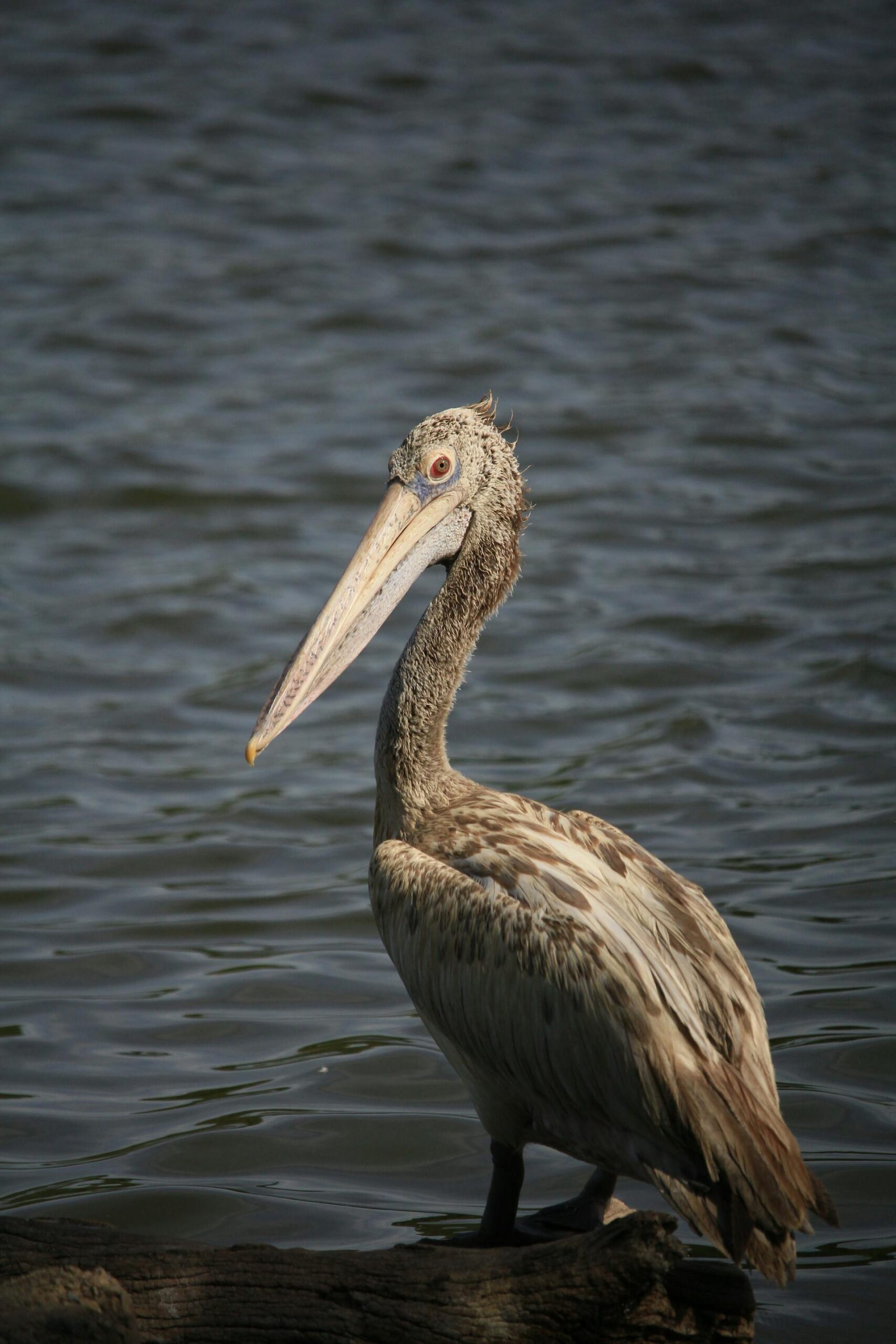
Lake Natron lacks open grasslands and woodlands that animals would prefer. Instead, this region has tufts of grass and water pools with lower toxicity than the lake waters. Salt marshes and freshwater wetlands have formed, creating habitats for specific bird species. Although this region doesn’t host a wide array of wildlife like other national parks, it is a miracle to see life thriving in such a deadly body of water.
On your visit, you might be able to spot some of the following animal species:
- Gazelles
- Giraffes
- Lesser Kudu
- Dromedary Camels
- Goldehn Jackel
- Lesser Flamingos
- Long-legged waterfowl
- Endemic Fish Species-Wide-lipped Natron Tilapia (Alcolapia latilabris)
- Endemic Fish Species- Narrow-mouthed Natron Tilapia (Alcolapia ndalalani)

04
Activities in Lake Natron
Tired of game drives and bush safaris? It’s time to dedicate yourself to observing the wings of fire. As one of Tanzania's popular safari destinations, Lake Natron is a hotspot for slow, immersive travel experiences. Here are some of the activities popular in this spot:
- Hiking: Climb Ol Doinyo Lengai (Mountain of God) with the help of an experienced guide. The climb is usually completed at night to avoid the scorching heat of the day, allowing you to watch spectacular sunrises from the summit.
- Rift Valley Trekking: Hiking along the edges of the Rift Valley escarpment offers expansive and scenic views of the lake and its surroundings.
- Birdwatching: Lake Natron is a hotspot for birdwatchers and is the only regular breeding area in East Africa for about 2.5 million lesser flamingos. Other avian species, like the Marabou storks, arrive here in huge numbers as well. You might also spot birds like ostrich, Kori Bustards, Vultures and Secretary Birds.
- Walking Safaris: Walking along the shoreline of Lake Natron is a popular way to capture the dramatic beauty of the landscape, especially at sunrise and sunset.
Cultural Tours: Visit the nearest Maasai villages and settlements for cultural tours and community-oriented tours.
What Makes Lake Natron Unique?
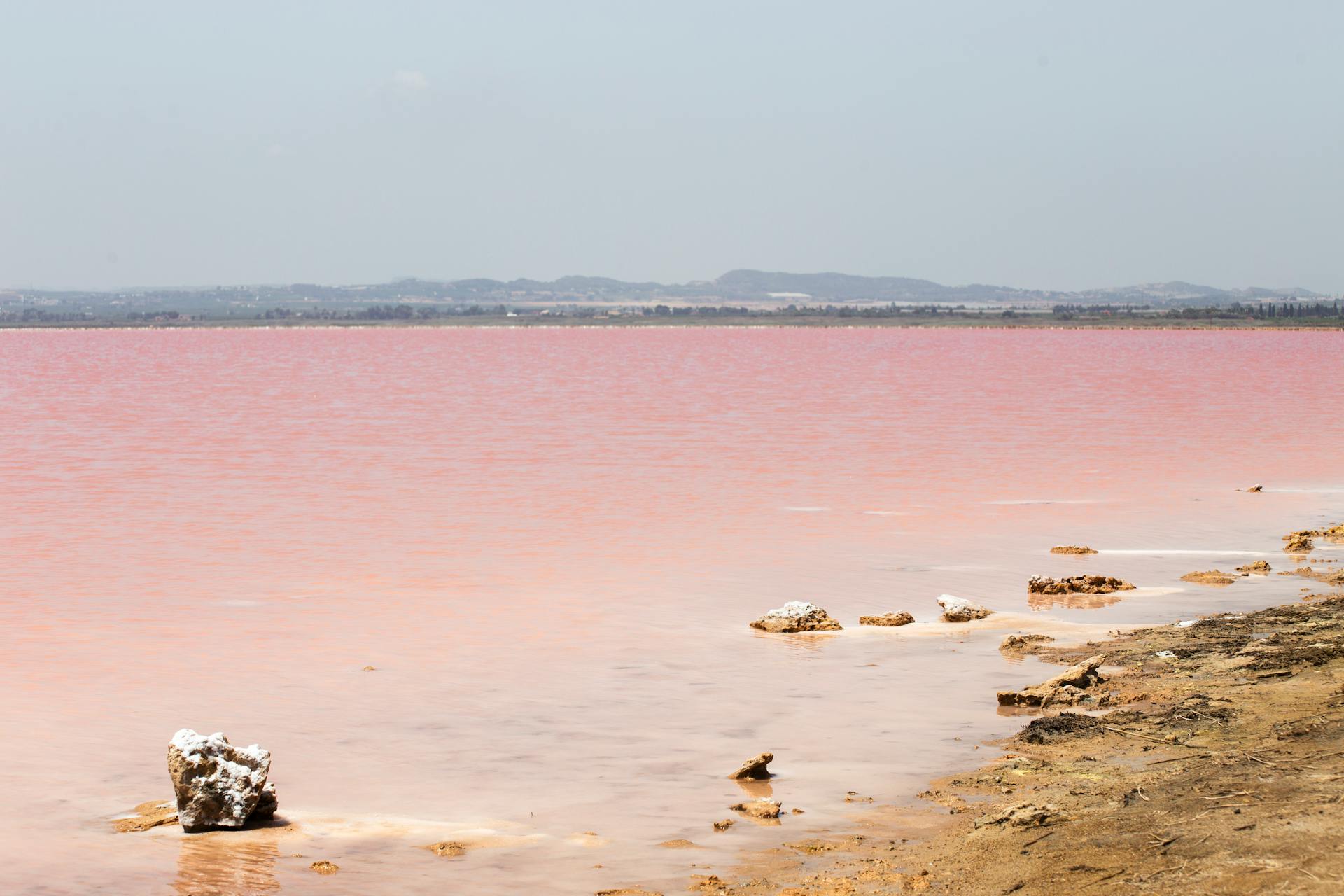
Boasting a striking red hue, Lake Natron stands as an example of “Beauty in Terror”. Its alkaline water is like Medusa’s gaze; whatever it touches, it turns into stone. The alkaline water with a pH of 12 can burn the eyes and flesh of animals, leaving them dead. However, they do not decompose; they remain mummified. The reason behind this is the excessive presence of sodium carbonate, which was used to mummify bodies in ancient Egypt.
Despite being one of the deadliest lakes in the world, its waters are home to the alkaline tilapia of East Africa. This endemic cyclostome fish is found in less extreme, cooler waters near hot spring inlets. They have adapted to survive in extreme salinity, high temperatures and alkaline conditions.
Visit Lake Natron to witness the blood-red waters against scenic backdrops. If you are a fan of Gothic-themed photography, setting up your props near this safari destination is the perfect way to capture a dramatic shot.

Lake Natron
Visit this awesome safari destination for your Tanzanian adventure.
- Surreal red-hued lake
- Flamingo breeding grounds
- Ol Doinyo Lengai volcano views
- Cultural Maasai experiences
- Remote, offbeat destination
- Waterfall hikes (Ngare Sero)
- Dramatic alkaline landscapes
- Unique photography spots
- Extreme natural beauty
- Raw, untouched environment
Timing and Travel to Lake Natron




FAQ
No. Any type of swimming, canoeing, or boat rides is permitted on Lake Natron. Humans should not enter the war, as the high salt content would sting and burn on the skin, and the water is extremely hot.
Flamingos settle alongside the waterbody, as the place is devoid of other deadly predators. These birds feed on cyanobacteria, known as spirulina, which thrives in the alkaline waters. The combination of no predators and food availability allows flamingos to thrive naturally on these grounds.
The lake's redness is not a fixed colour. It appears red when the algae is in full bloom (June to November). The most intense colours are seen between August and October. Whe the algae starts to decrease, the lake might appear lighter shades of orange. At other times, it might not seem red or orange at all.
Key precautions include using a local guide, packing high-SPF sunscreen, wearing closed, sturdy shoes to walk on sharp salt crusts, and staying well hydrated due to temperatures often exceeding 40°C (104°F).
Pack light, neutral coloured layers (beige, green, khaki) to manage temperature changes, including a fleece and a waterproof jacket. Essential items include binoculars, a camera, sturdy walking shoes, sun protection (hat, sunglasses, SPF), and mosquito repellent. Use soft-sided luggage.