- Home
- »
- Lake Manyara National Park
Lake Manyara National Park
01
History of Lake Manyara National Park
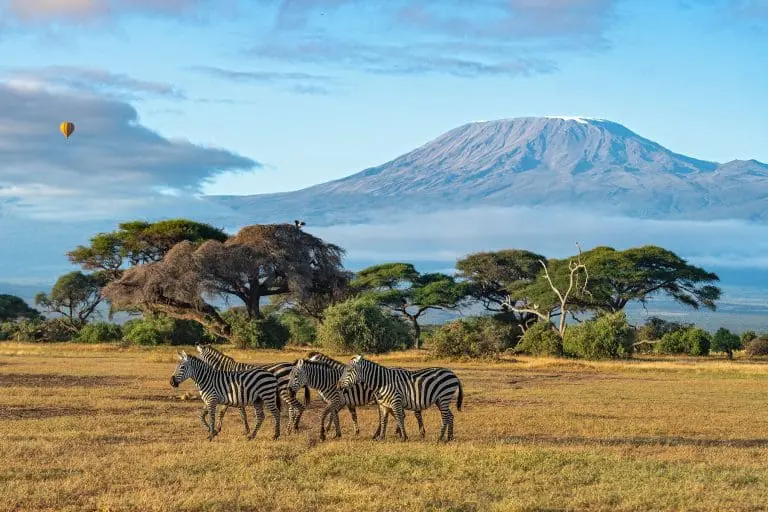
Lake Manyara National Park, located in Tanzania’s Great Rift Valley, was established as a game reserve in 1957. In 1960, this area was declared a national park to protect its natural ecosystems, particularly the elephant populations and unique groundwater forests. Previously, this safari destination was popularised by the renowned author Ernest Hemingway in 1935 and was later designated a UNESCO Biosphere Reserve in 1981.
02
Famous Spots in Lake Manyara National Park
If you are looking for a casual day trip or a break from Savannah game drives, Lake Manyara is the right place. Here are some of the favourite tourist spots in this safari destination:
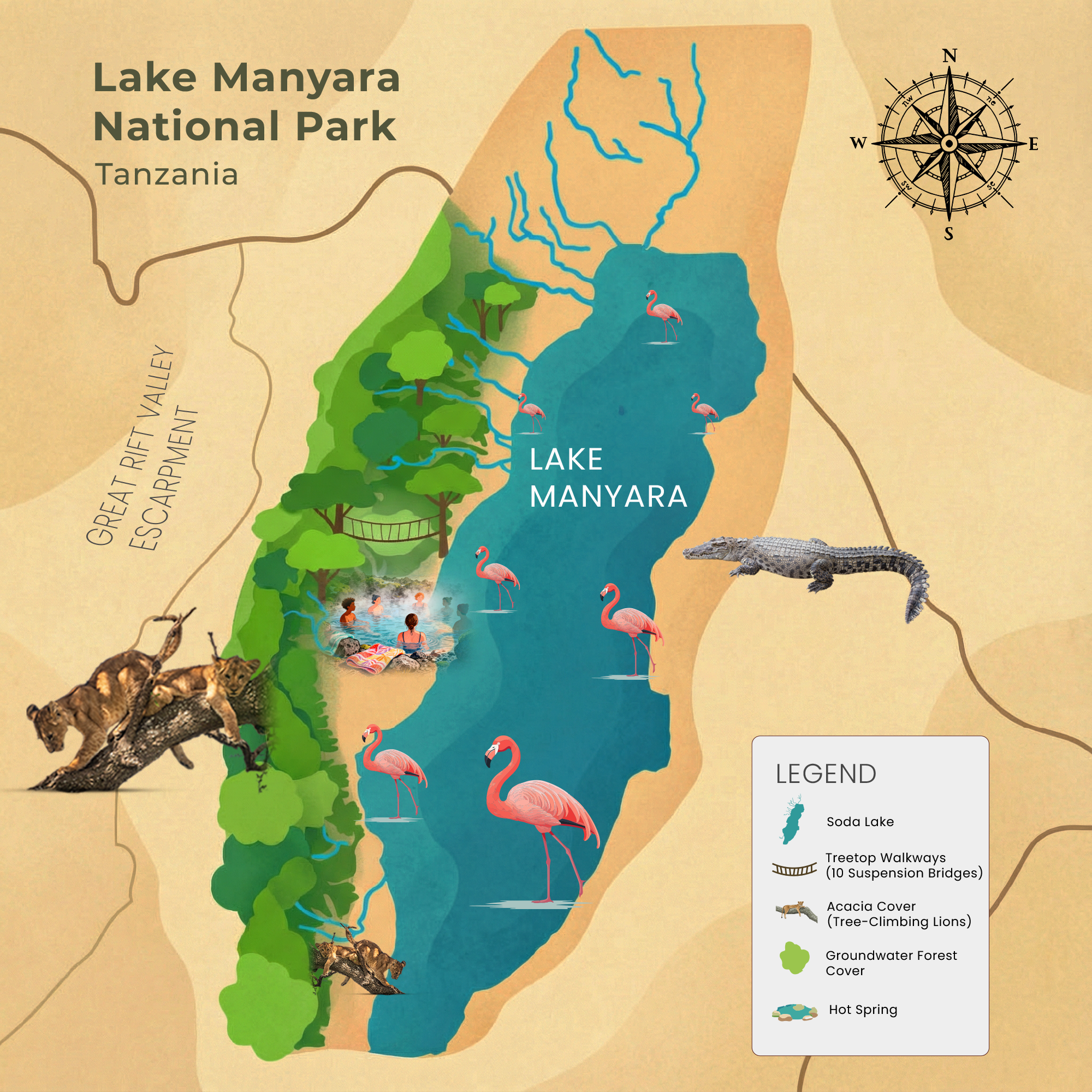
- Treetop Walkway: The 18-meter, 370-meter-long series of suspension bridges offers visitors a bird’s-eye view of the park's canopy.
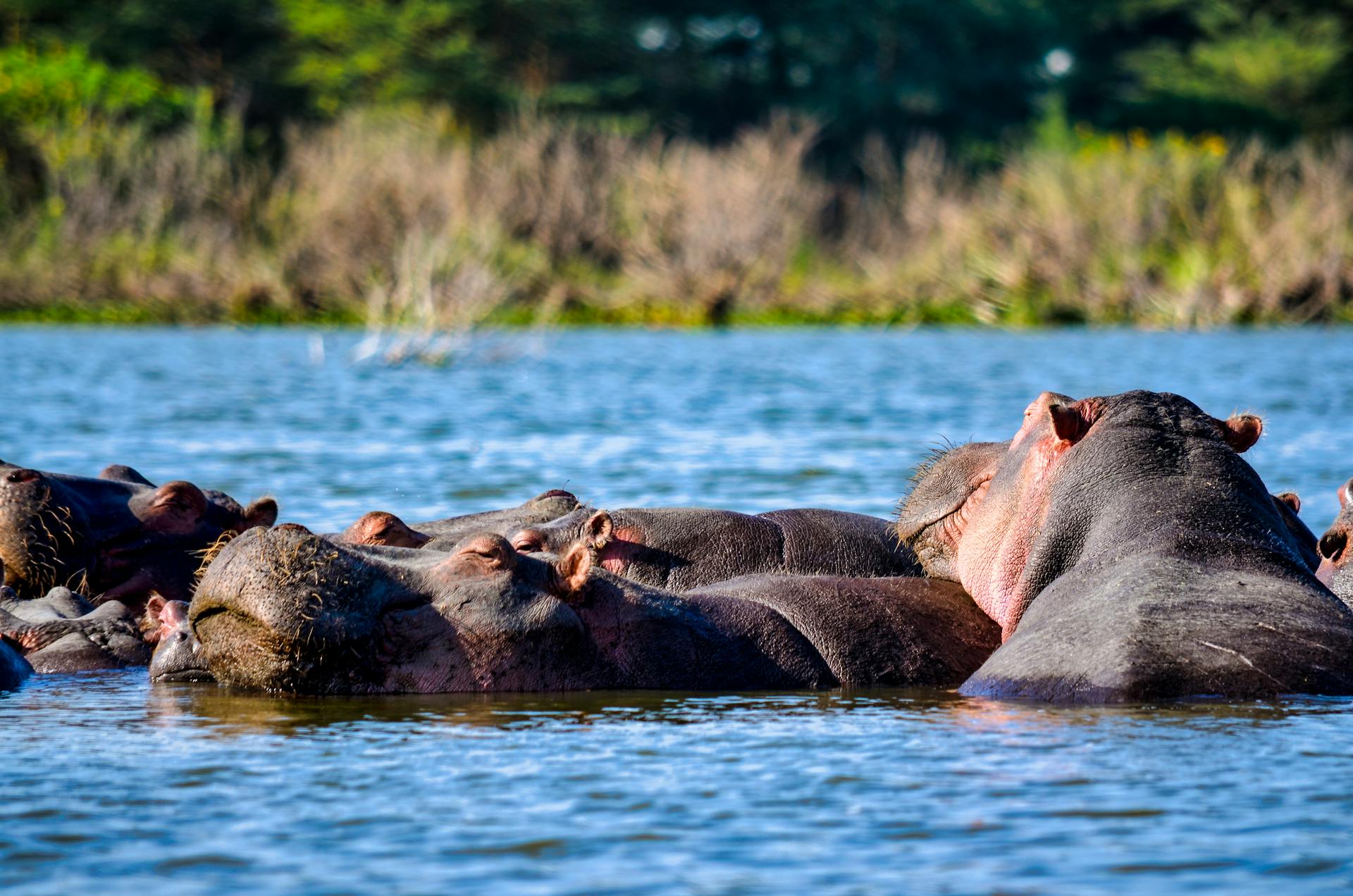
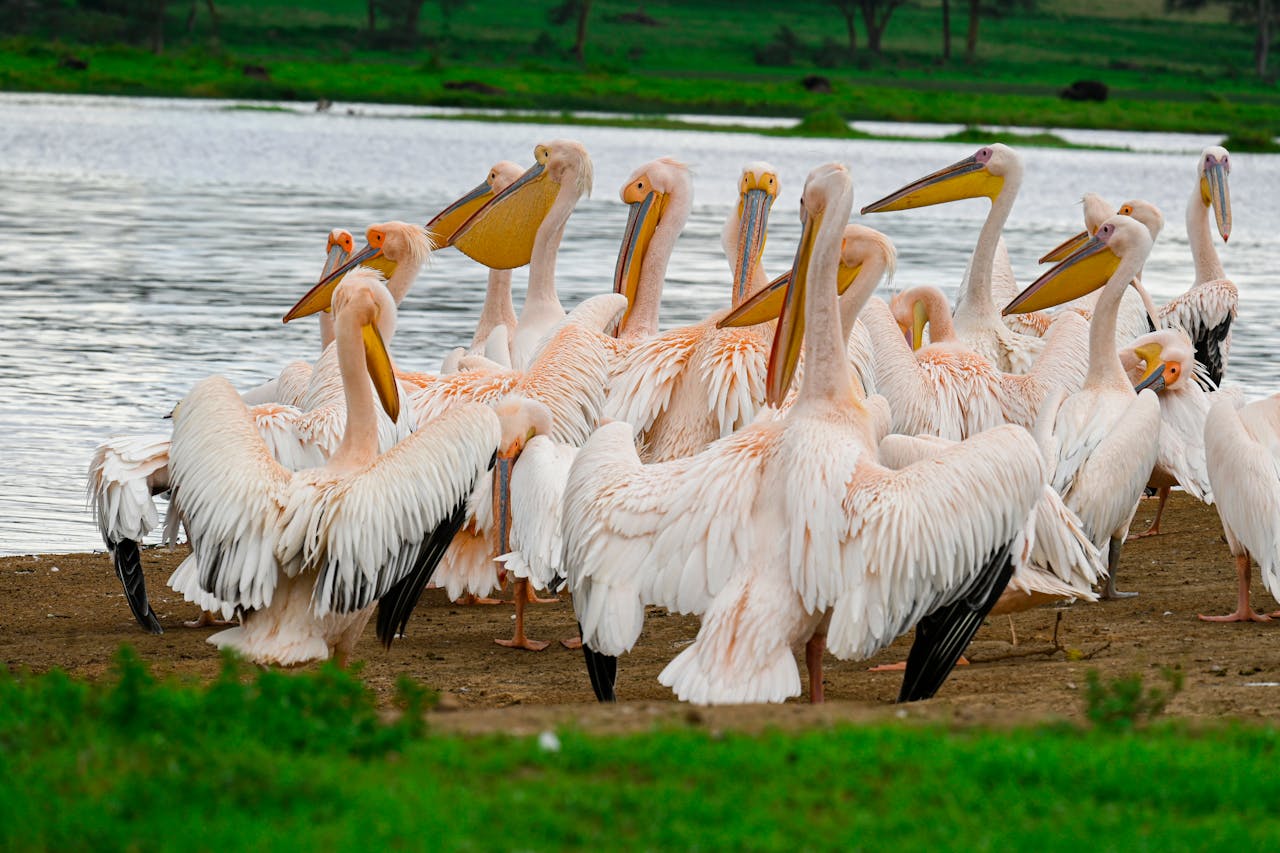
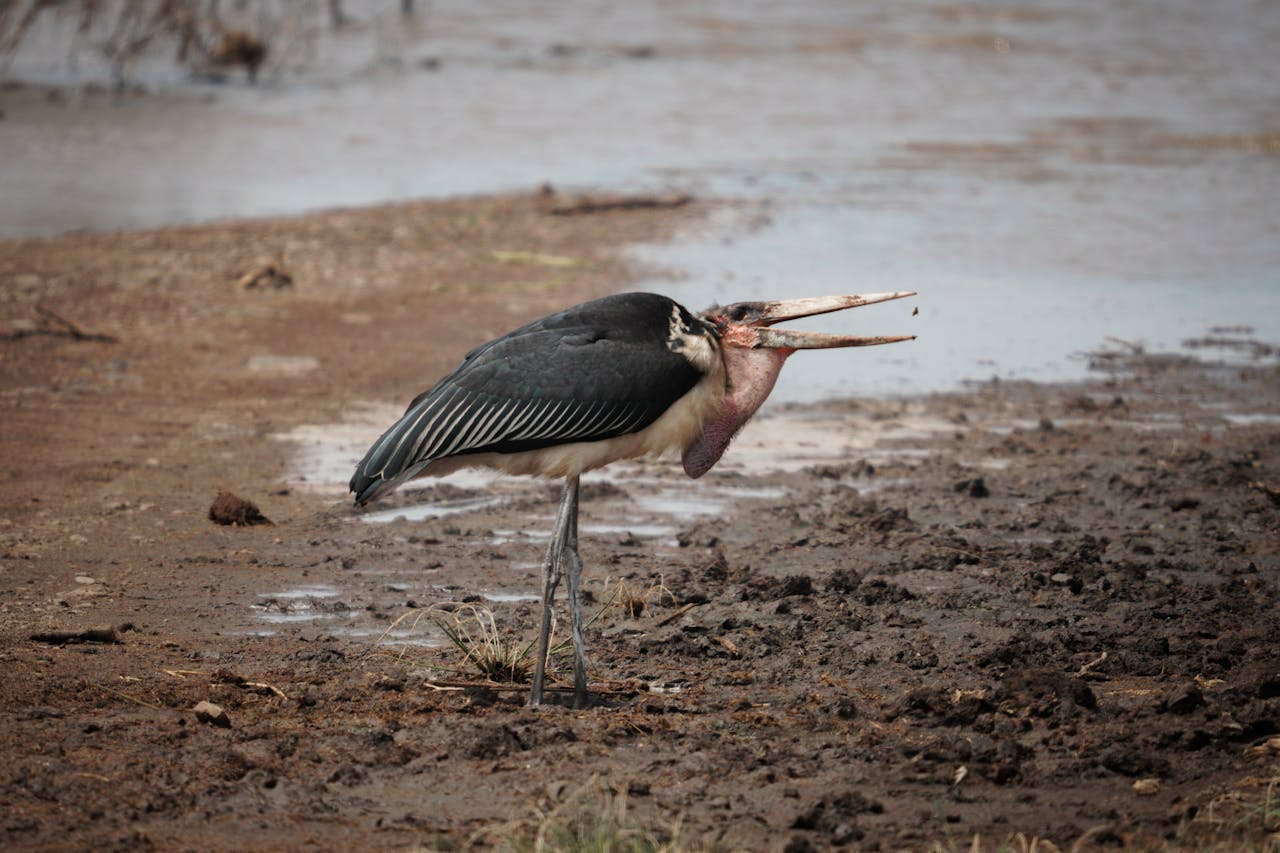
- Hippo Pool Lookout: This premier spot near the Simba River allows visitors to safely watch hippos, pelicans, and storks in the water.
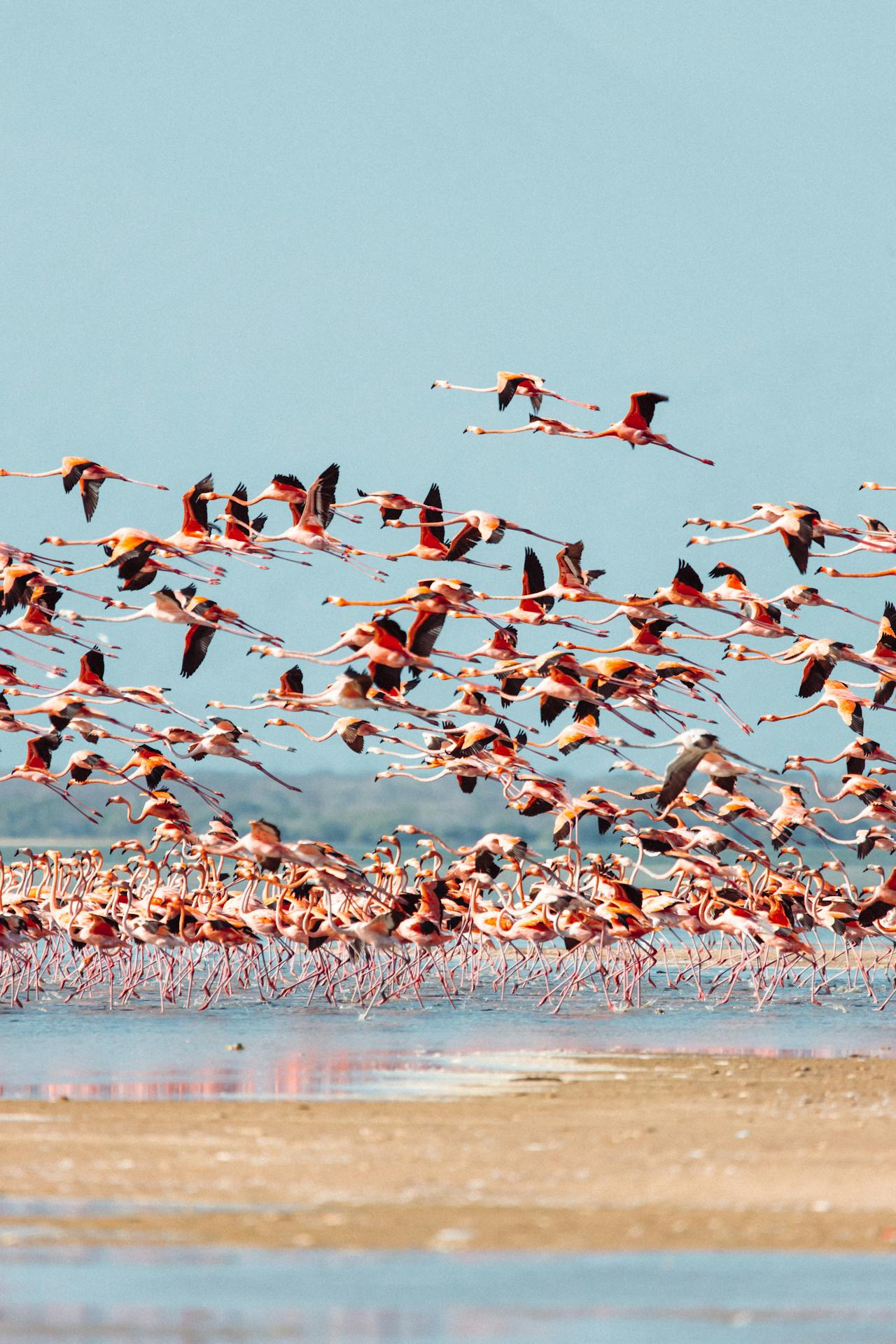
- Lake Manyara Shoreline: This spot is famous for hosting thousands of flamingos seasonally, along with pelicans, yellow-billed storks, and grey herons.
- Groundwater Forest Zone: Known for its dense vegetation, this area is a prime spot for wildlife viewing.
- Majimoto Hot Springs: These natural hot springs offer a scenic, warm spot that attracts visitors seeking relaxation during their safari tour.
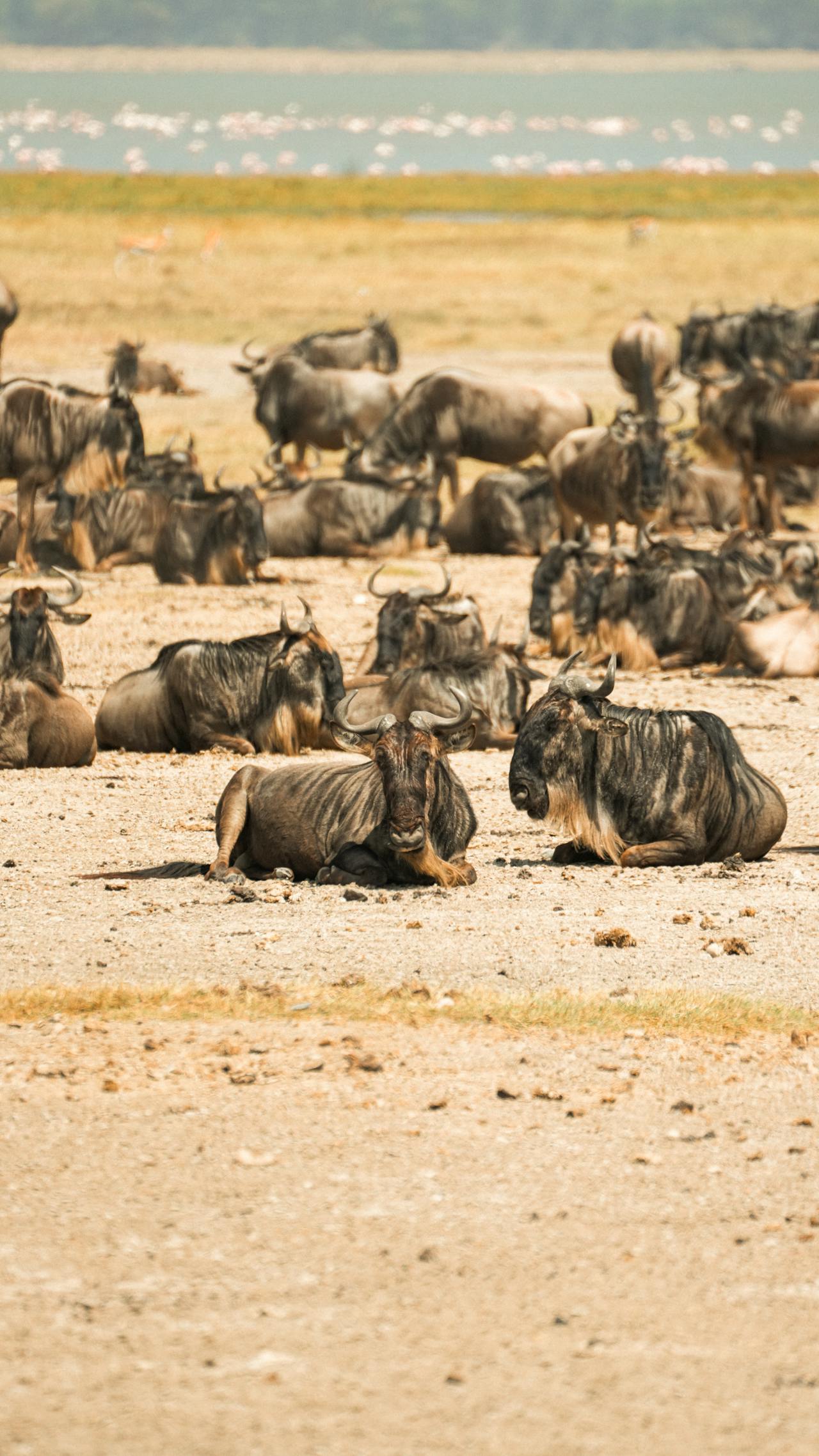
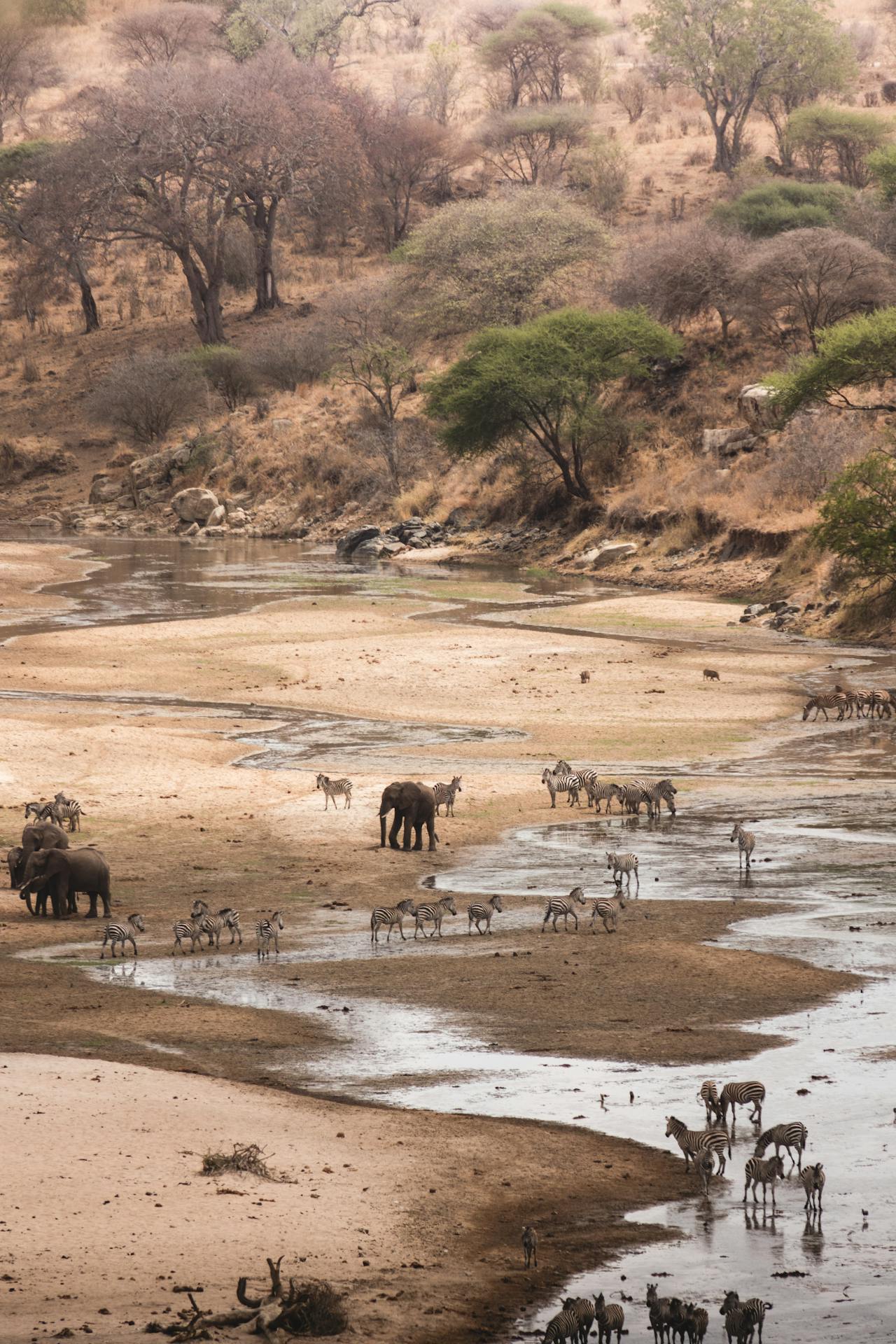
- Endala Plains and Floodplains: This is considered the prime location for viewing large elephants, buffalo, and wildebeest.
- The Great Rift Valley Escarpment: This area offers breathtaking panoramic views of the entire park, the lake, and the eastern wall of the rift.
03
Wildlife in Lake Manyara National Park
Diversity is the other name of Lake Manyara National Park. This safari destination is renowned for its diverse wildlife, both similar to and distinct from that of other parts of the country. Here are some of the commonly spotted wildlife in this location:
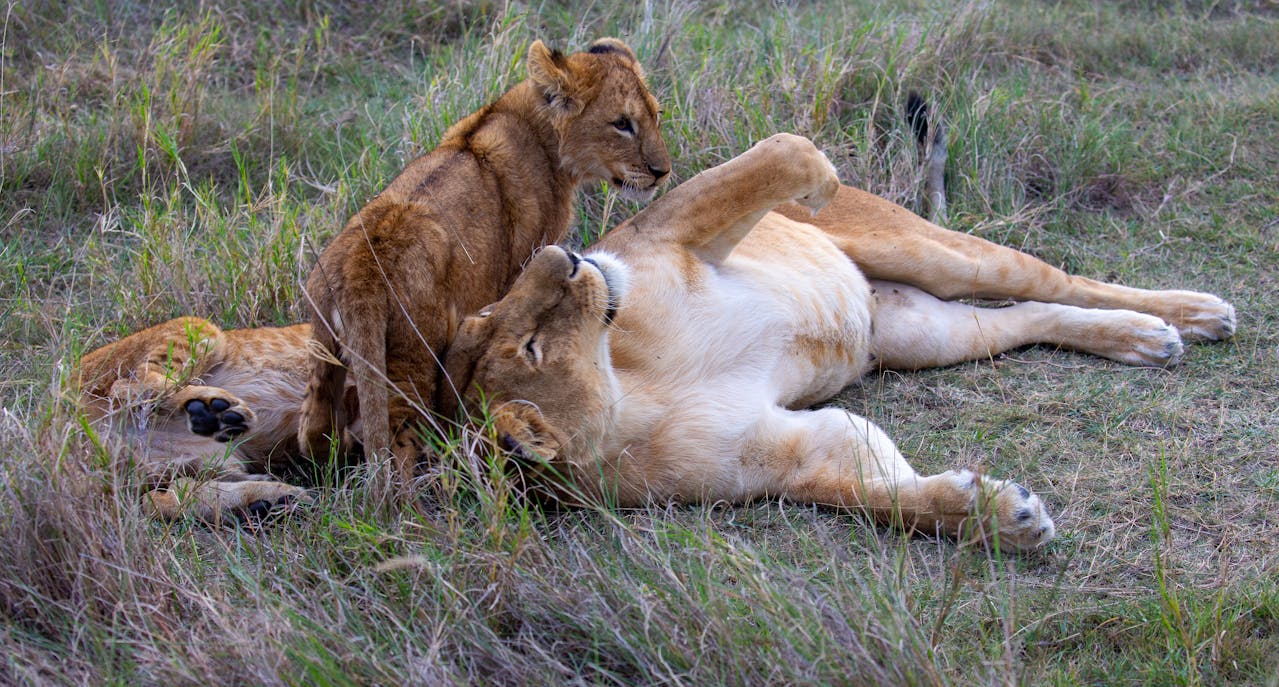
- Tree Climbing Lions
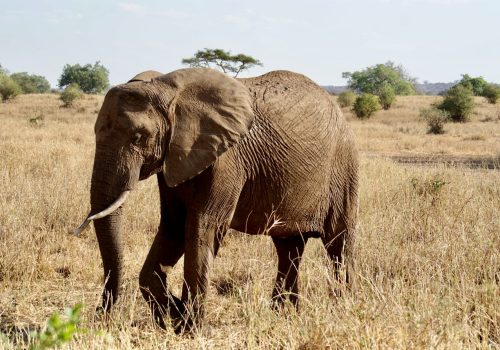
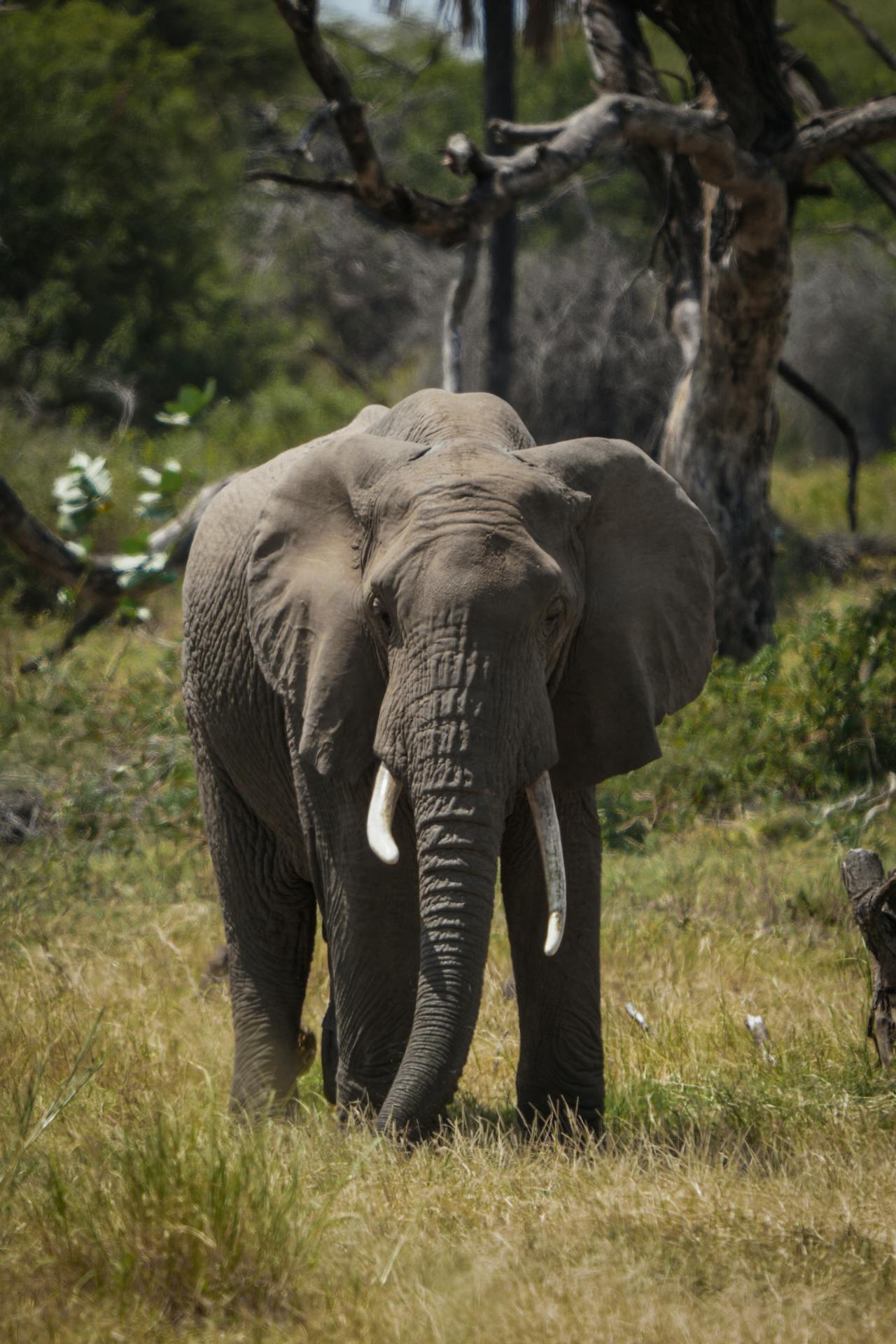
- Elephant Herds
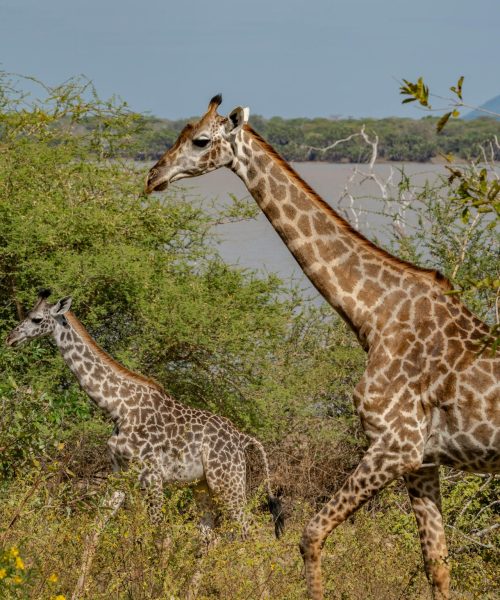
- Buffalo and Giraffe Herds
- Wildebeest and Zebras
- Massive troops of baboons and blue monkeys
- Hippos
- Leopards
- About 400 species of birds, including pelicans, storks, and cormorants.
04
Activities in Lake Manyara National Park
Lake Manyara National Park offers a variety of activities, from game drives to lakeside picnics. The park truly offers a unique wilderness experience across a range of diverse habitats and wildlife. Some of these fascinating activities include:
- Game Drives: Daytime game drives allow tourists to spot tree-climbing lions, the region's major wildlife attraction. Other wildlife includes large elephant herds, giraffes, and buffalo along the soda lake and in groundwater forests.
- Canoeing: Drift along the waters of Lake Manyara in a traditional canoe. Watch how hippos, giraffes, and birds like flamingos coexist in the nearby ecosystems.
- Birdwatching and Photography: Capture picturesque views of over 400 avian species, including massive flocks of pelicans and storks, as the park is a premier birding destination.
- Cultural Tours: Nearby areas offer cultural tours of indigenous communities, including the Maasai, Iraqw, and Barbaig.
- Picnic Sites: As a part of your tour, we offer lakeside picnics with premium quality dining facilities.
What Makes Lake Manyara National Park Unique?
Enjoy an uncrowded national park with a unique biodiversity to capture. “Groundwater Forests” make Lake Manyara a unique safari destination in Tanzania. The lush ecosystems of underground forests are fed by springs that flow from the nearby Rift Valley escarpment. Unlike typical dry savanna landscapes, this area remains green year-round due to a constant water supply.
Key features of this region include mahogany forests and trees such as fig and acacia. Visitors can spot large herds of elephants, baboons, and blue monkeys thriving in the cool, shaded canopy. Groundwater forests in Lake Manyara National Park exist mainly because of permanent groundwater, not rainfall, making them a rare habitat in East Africa’s dry regions. If you prefer a jungle-like setting over savannah grasslands, visit Lake Manayara for a unique experience.
Lake Manyara National Park
Visit this awesome safari destination for your Tanzanian adventure.
Tour Highlights
- Tree-climbing lions
- Flamingo-lined lake shores
- Dense groundwater forest
- Scenic Rift Valley escarpment
- Compact yet diverse park
- Elephant encounters
- Birdwatcher’s paradise
- Quick day-trip option
- Canoeing (seasonal)
- Lush green scenery
Timing and Travel to Lake Manyara National Park

FAQ
A minimum of 3 days and 2 nights can be an ideal time for spending in Lake Manyara National Park. However, the number of days might vary depending on the type of package or any specific request.
Lake Manyara National Park has a tropical climate, with two rainy seasons from November to December and March to May. The dry season begins in June and extends through October,, and it is the best time to visit this safari destination.
A full-day trip is usually enough, but you can extend it to 1–2 days if you want to include hiking or canoeing.
Yes, Arusha National Park is excellent for family trips, offering safe, interactive experiences like walking safaris with armed rangers, canoeing on Momella Lakes, and easy game drives to see giraffes and monkeys.
Pack light, neutral coloured layers (beige, green, khaki) to manage temperature changes, including a fleece and a waterproof jacket. Essential items include binoculars, a camera, sturdy walking shoes, sun protection (hat, sunglasses, SPF), and mosquito repellent. Use soft-sided luggage.