- Home
- »
- Kilimanjaro National Park
Kilimanjaro National Park

01
History of Kilimanjaro National Park
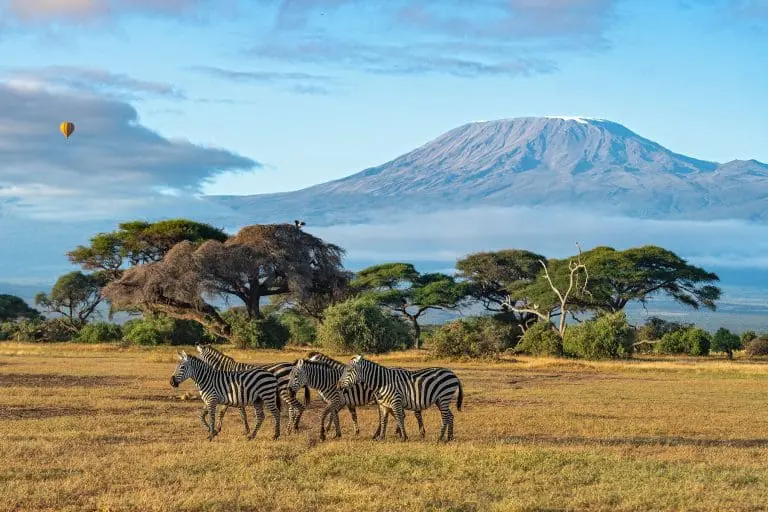
Kilimanjaro National Park is the crown jewel of Tanzania and is one of the most visited sites on a safari or trekking tour. This national park was established in 1973 and opened in 1977. It was originally a German game reserve in the 1900s, became a forest reserve in 1921, and was designated a UNESCO World Heritage Site in 1987. In 2005, the park's area was further expanded, and it currently protects Mount Kilimanjaro (5,895m) and its surrounding vegetation and wildlife.
02
Famous Spots in Kilimanjaro National Park
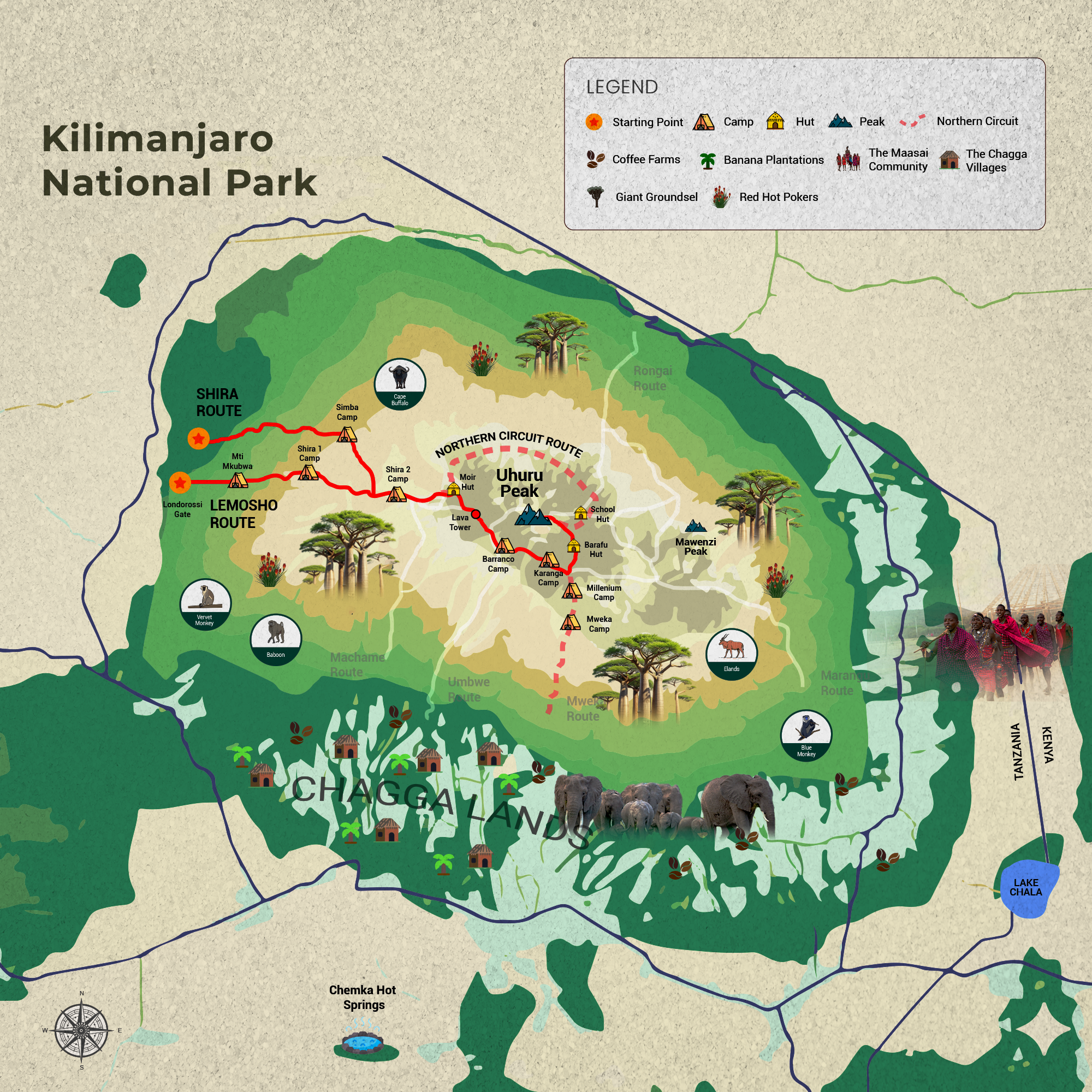
Kilimanjaro National Park covers an area of 1,688 sq. km (652 s. miles) and protects the world’s highest standing volcanic landmass, Mount Kilimanjaro. The main attraction of this destination is climbing and trekking up the mountain, alongside venturing through adjoining forest areas. At Tanzania Adventures and Safaris, we assist our guests in travelling across these famous spots:
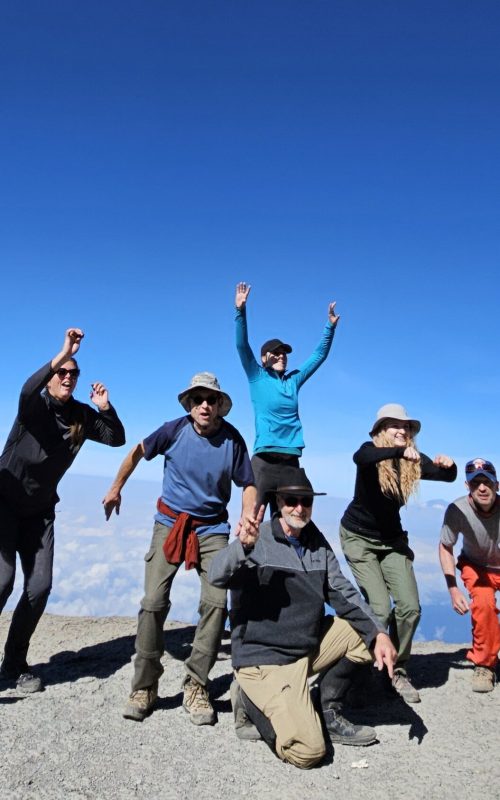
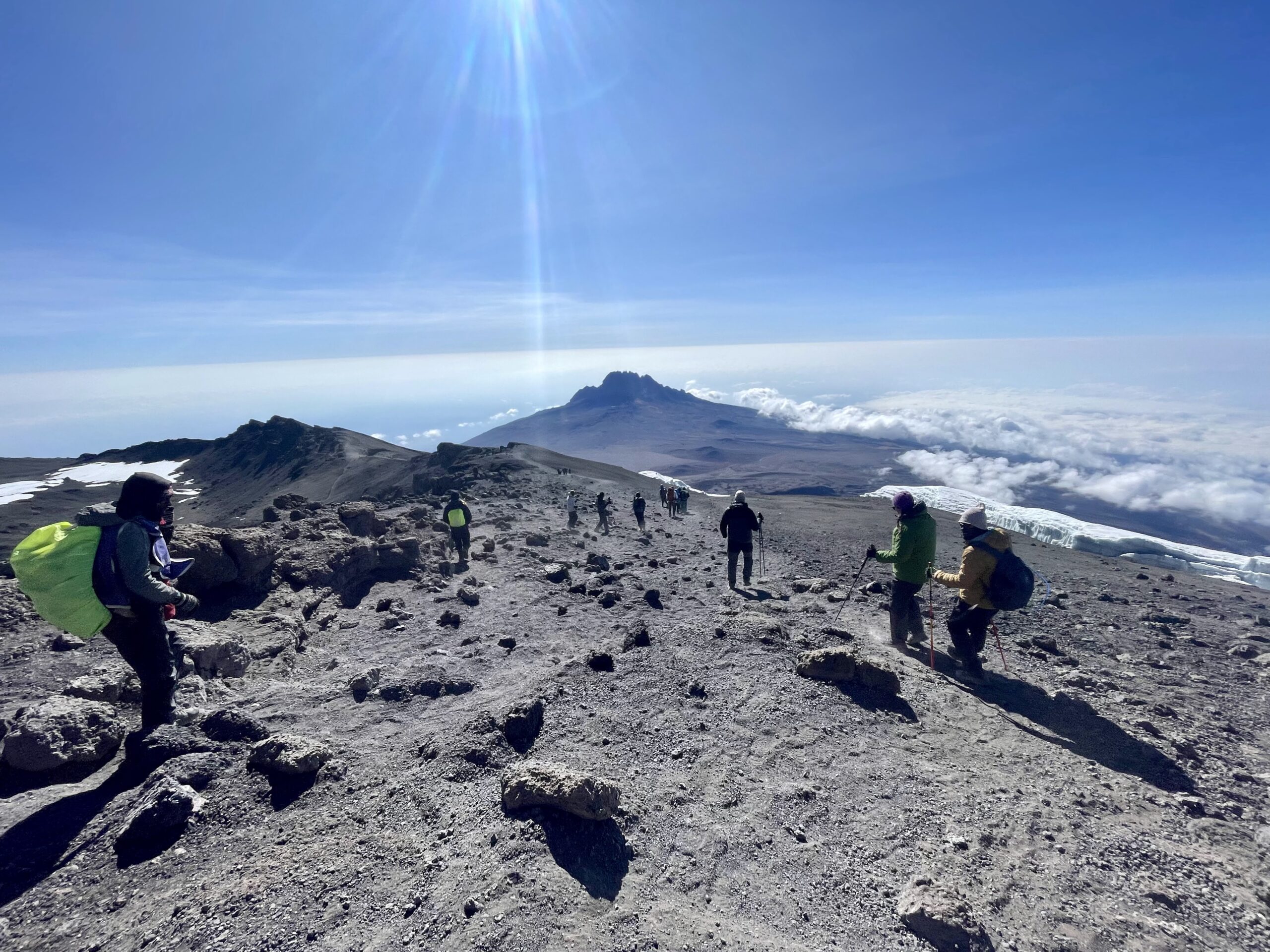
- Uhuru Peak: This is the highest peak of Africa and is located at Mount Kilimanjaro, on the Kibo crater cone. Various routes are considered to reach the summit, followed by varied experiences and challenges.
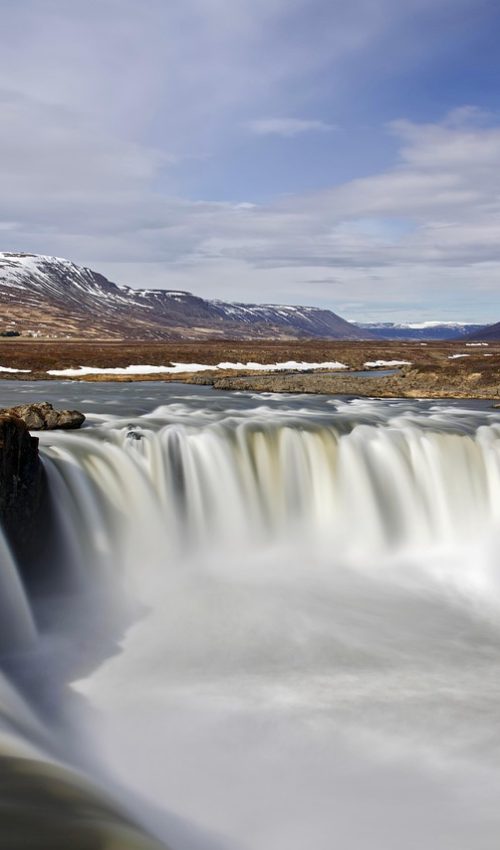
- Materuni Waterfalls: This stunning waterfall, 70-80 m high, is located near Moshi at the foot of Mount Kilimanjaro and is a popular tourist attraction.
- Ndoro Waterfalls: This lesser-known waterfall is set amid a rainforest and is popular as an off-the-beaten-track safari destination.
- Kikuletwa Hot Springs: This lush oasis, surrounded by fig trees, is visited for swimming or relaxation after a Kilimanjaro climb.
- Shira Plateau: This high altitude moorland offers expansive views and is part of the Shira Plateau.
- Chagga Cultural Sites: Located primarily around Moshi on the slopes of Mount Kilimanjaro, they offer immersive experiences of the Chagga people and their way of life.
03
Wildlife in Kilimanjaro National Park
Five distinct ecological zones are present in Kilimanjaro National Park, providing habitats for diverse wildlife. Ecologies like rainforests are among the most popular places to spot the most wildlife. Similarly, lower regions are also inhabited by various indigenous African species. As a lucky tourist, you might spot the following groups of animal species:
- Primates: In this category, the blue monkey (or dark grey) is commonly spotted along the Marangu and Rongai routes. The black-and-white colobus monkeys inhabit the upper canopy of the forest.
- Large Mammals: The bush zones are mostly inhabited by the African elephants and the Cape buffalo. The capoe buffalo is also found near water. In the moorland regions, leopards and serval cats roam, though they are rarely spotted.
- Small Mammals: Elusive creatures, including the Tree Hyrax, can be spotted. Other small mammals, such as civets, honey badgers, and aardvarks, also inhabit the natural vegetation.
- Birds: Over 150 species, including the African eagle, white-necked raven, and grey hornbill, can be spotted in this region.
04
Activities in Kilimanjaro National Park
Kilimanjaro National Park offers diverse high-altitude activities ranging from rainforest exploration to trekking expeditions. Both on-mountain and off-mountain activities allow visitors to this safari destination to experience multiple ecosystems and their distinctive features. At Tanzania Adventures and Safaris, we assist our guests with the following experiences:
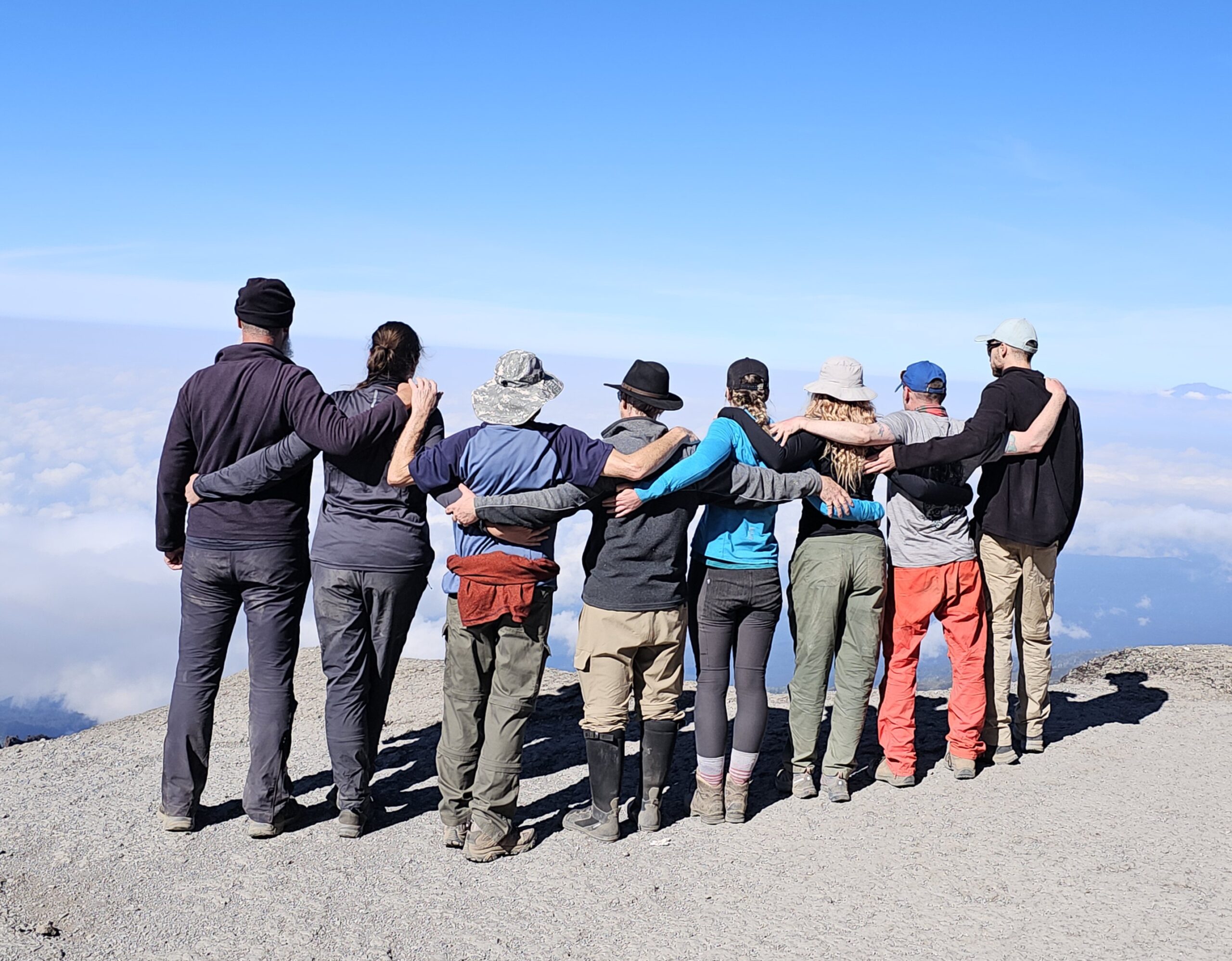
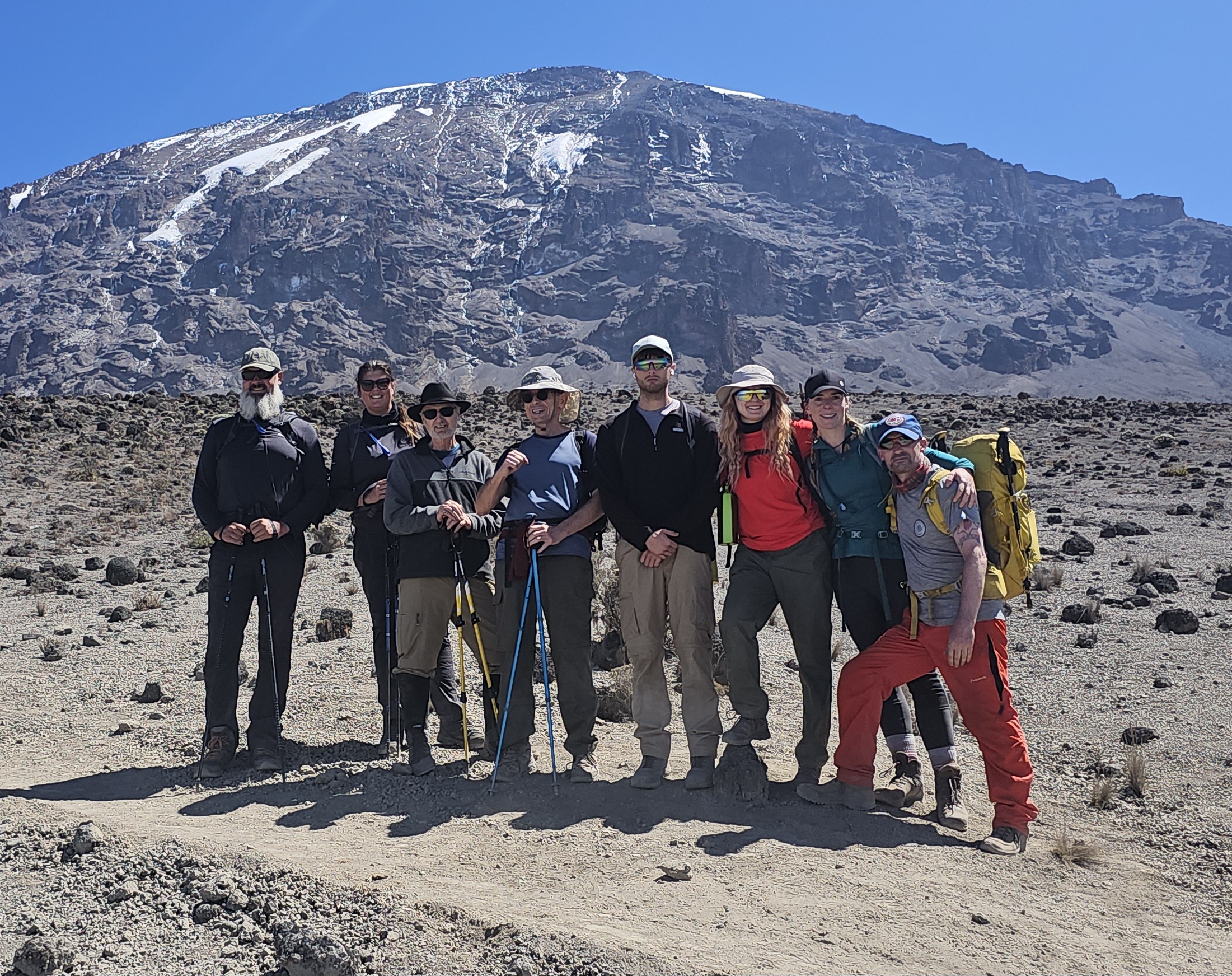
- Mountain Trekking and Climbing: Summiting Mount Kilimanjaro is the primary activity, and hundreds of visitors around the globe participate in reaching the Uhuru Peak via multiple routes and techniques.
- Day Hikes: Shorter hikes are also popular, with hikers trekking for about 4 to 5 hours via the Marangu Gate to the Mandara Huts.
- Nature and Wildlife Tours: Walking safaris and guided nature tours allow visitors to explore the rainforest zone. One can spot the colobus monkeys, blue monkeys and various bird species.
- Cultural Tours: Visiting the Chagga people in their villages situated near the foothills and learning about their local culture and lifestyle is a known experience.
- Relaxation Tours: Visit to the Materuni waterfall and swimming at the Kikuletwa hot springs offer various relaxation tours for hikers.
What Makes Kilimanjaro National Park Unique?
Ever wondered where that majestic mountain from a Nat Geo series is? That’s the world’s largest free-standing mountain and Africa’s tallest peak. Mount Kilimanjaro lies within Kilimanjaro National Park, which is protected under national legislation as a national park, with a primary focus on the conservation of ecological systems. With five distinct ecological zones, this destination offers unique trekking and safari experiences for travellers visiting Tanzania.
Climbing and trekking Mount Kilimanjaro (5,895m/19,341ft) is an experience of a lifetime. It is a non-technical, high-altitude challenge in Tanzania that passes through five ecological zones. While it does not require technical climbing skills, it demands excellent physical fitness and stamina. Known for its stunning scenery and high traffic, the Kilimanjaro climbing activity invites travellers to conquer the Uhuru Summit.
At Tanzania Adventures and Safaris, we offer comprehensive tourism facilities to witness one of the world’s wondrous landscapes and embark on a thrilling adventure. With outstanding trekking, accommodation, and safari experiences, visit this national park with us.
Kilimanjaro National Park
Visit this awesome safari destination for your Tanzanian adventure.
Tour Highlights
- Africa’s highest peak
- Bucket-list summit climbs
- Multiple trekking routes
- Snow-capped equator views
- Changing climate zones
- Iconic Uhuru Peak
- Challenging adventure
- Guided trekking experience
- Stunning sunrise above clouds
- Personal achievement journey
Timing and Travel to Kilimanjaro National Park

FAQ
You can rent your mountain climbing gear from us. For clothing and other essentials, read our Kilimanjaro Travel Guide for a better and more detailed understanding.
No, there are no hotels on the mountain top or even cable cars. You will sleep in tents and tented huts (in the Marangu Route). Tents and sleeping mats are carried to the top by porters.
Yes, definitely. Our team provides comprehensive trekking guidance and support to help climbers reach the top of Uhuru Peak. For an idea about challenges that may arise while climbing Kilimanjaro, read our Kilimanjaro Travel Guide.
Animals can mostly be found in the rainforest at the foothills of Kilimanjaro. However, in the Arctic zones, there are no animals to be spotted.
Yes, tipping the hiking crew on Kilimanjaro is highly expected and customary, and it is a significant part of their income rather than just a bonus.