- Home
- »
- Mahale National Park
Mahale Mountains National Park
01
History of Mahale Mountains National Park
Nestled among the spectacular forested slopes of the Mahale Mountains, the Mahale Mountains National Park was created to protect chimpanzees in their natural habitat. Originally, this place was home to the Batongwe and Holoholo people and was later converted into a research centre in 1979. The national park was established in 1985 on the shores of Lake Tanganyika to protect a large population of eastern chimpanzees, followed by 20 years of research. Currently, this destination is a popular safari spot for ethical trekking and wildlife viewing.
02
Famous Spots in Mahale Mountains National Park
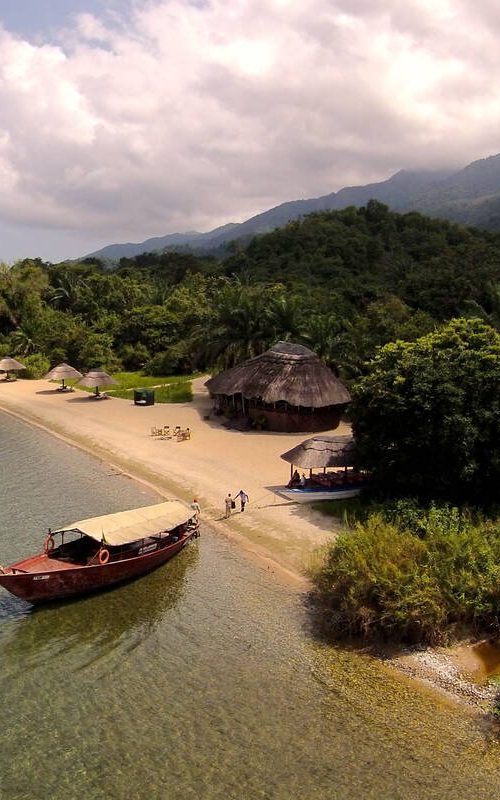
The Mahale Mountains are located on the western side of Tanzania and are a mountainous peninsula overlooking the turquoise waters of the freshwater lake. With no roads through the protected areas, this national park is a major destination for walking safaris. With the widest diversity of landscapes and habitats, Mahale Mountains National Park offers tourists ample places to explore. Here are some of the famous spots to visit in this safari spot:
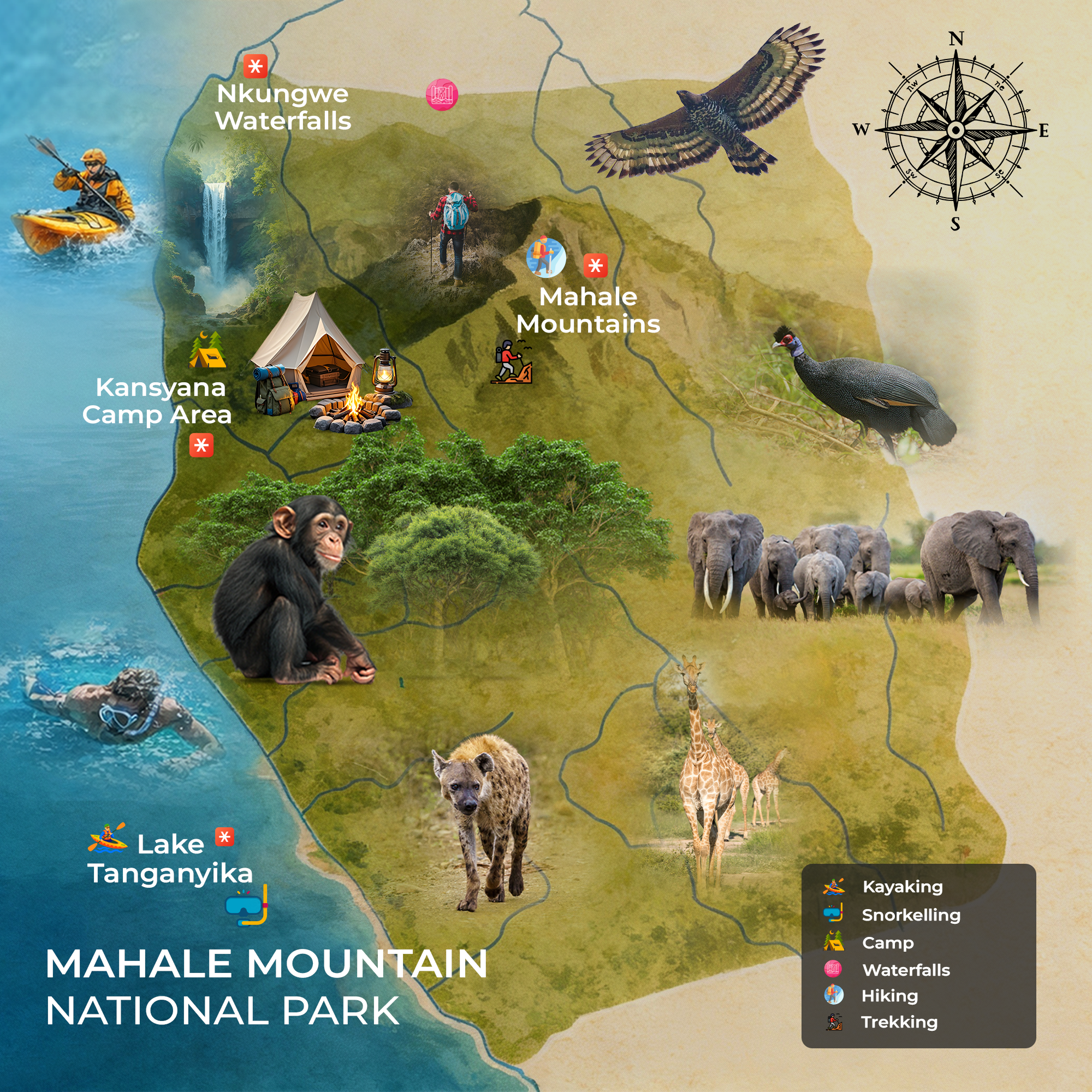
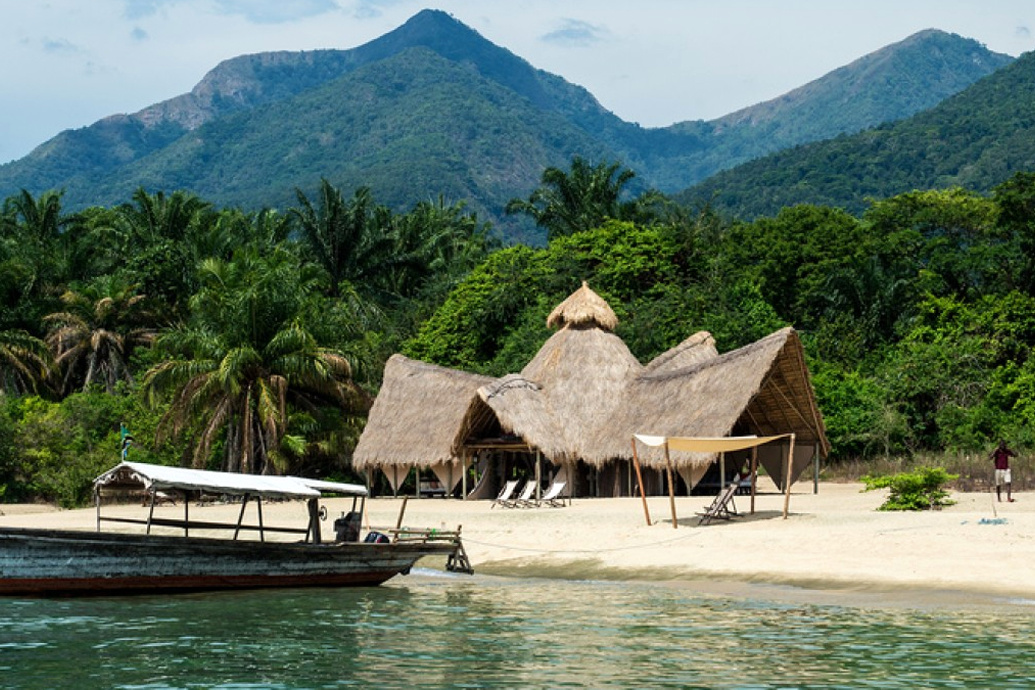
- Lake Tanganyika Shoreline: This shoreline extends roughly 1,828km (1,136 miles) across four countries, including Tanzania, Burundi, Zambia and DRC. It is known for its crystal-clear, deep waters and sandy beaches, and is ideal for snorkelling.
- Kahama Forest: This primary mountain-backed forest is famous for chimpanzee habitation. It offers challenging hikes and stunning views of the surrounding, untouched landscape.
- Mgambo Beach: This popular, serene white-sand spot on the shores of Lake Tanganyika is ideal for relaxing, swimming, and watching sunsets.
- Kasiha Stream: Known for its lush surroundings, it is often used for forest walks that offer a different perspective on wildlife and fauna.
- Mount Nkungwe: This is the highest peak (8,077ft) in the Mahale Mountains, offering challenging hikes and stunning views of the landscape.
03
Wildlife in Mahale Mountains National Park
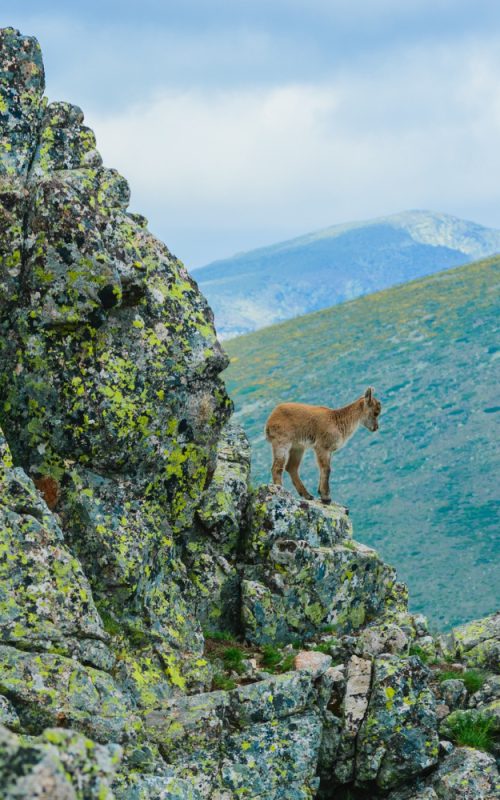
Mahale Mountains are surprisingly home to a variety of wildlife, particularly large animals. This national park has a variety of landscapes, including savannah, flat tropical forest, mountain forest, and alpine meadows and bamboo forests within the park limits. This diversity of natural vegetation shelters different species, which have long been the subject of research. A visit to Mahale Mountains National Park allows tourists to spot the variations of wildlife:
- Primates: Mahale Mountains National Park is home to roughly 800-1700 endangered eastern chimpanzees, representing one of the largest protected wild populations.
- Large Mammals: Herbivores include buffalo, giraffes, zebras, and elephants. If you are lucky, you might also spot the bushbuck antelopes. Carnivores typically include lions, leopards, hyenas, and jackals, which mainly prey on herds.
- Small Mammals: Civets and mongooses are commonly spotted in the forests, chasing after rodents and insects.
- Semi-Aquatic Animals: Hippos are a spectacle to spot along the shores of Lake Tanganyika, especially during the rainy season when the water levels are comfortable for them.
- Birds: Over 350 recorded bird species are found in Mahale National Park, including Pennant-winged Nightjar. African fish eagle, Narina trogon, and various kingfishers.

04
Activities in Mahale Mountains National Park
Mahale Mountain National Park is mostly about the time you spend tracking wild chimpanzees. Knowing that our closest cousins are observing us, as we are finding their trails, is a one-of-a-kind experience. At Tanzania Adventures and Safaris, we accompany and assist our tourists with the following activities:
- Chimpanzee Trekking: This activity involves locating the habituated Mimikere chimpanzee groups in the forest with trained rangers. The opportunity to see chimpanzees in the wild and observe their behaviour is a “must-do” activity in the Mahale Mountains.
- Mountain Hiking and Trekking: Hiking and trekking up Mount Nkungwe (2,000m) is a challenging 2 to 3-day hike. You can also take shorter walks along the forested slopes.
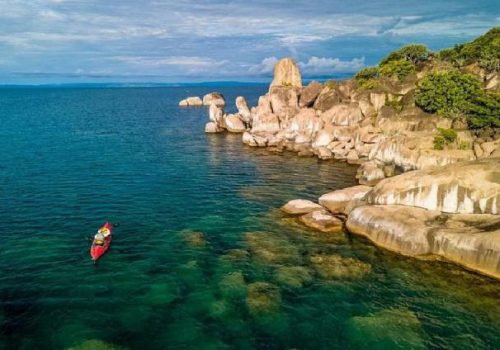
- Water Sports and Fishing: The clear waters of Lake Tanganyika offer snorkelling, kayaking, fishing, and boating. One can also relax on the lake's sandy beaches.
- Wildlife Viewing and Birding: Other wildlife and bird spotting activities are popular in this safari destination.
- Cultural Tours: Visitors can visit Tongwe villages near the park to learn about their culture and way of life.
What Makes Mahale Arusha National Park Unique?
Gombe is not the only place to spot wild chimpanzees, but if you want to see a wilder habitat, come to the Mahale Mountains National Park. The uniqueness of this park lies in the chimpanzee trekking it offers; unlike research centres like Gombe, this spot has denser forests and wilder chimpanzees.
About 1,000 chimpanzees live in the Mahale Mountains, with about 15 individuals per group. The Mimikere group involves 60 individuals and is the largest group currently living in the forests. Guided trekking allows visitors to locate the chimps, observe their behaviour among themselves, and see their reactions when they spot humans in their habitat.
At Tanzania Adventures and Safaris, we assist our guests with an ethical chimpanzee trek. With proper protection, guidance and instructions, you get the chance to witness one of the largest surviving chimpanzee groups in the world. To explore and to wonder about the miraculous creation of nature, that’s what this safari is about.
Mahale Mountains National Park
Visit this awesome safari destination for your Tanzanian adventure.
Tour Highlights
- Chimpanzee trekking
- Forest-meets-lake scenery
- Crystal-clear Lake Tanganyika
- Remote luxury lodges
- Hiking in lush mountains
- Beach + jungle experience
- Unique primate encounters
- Boat-only access adventure
- Intimate wildlife moments
- Serene, crowd-free setting
Timing and Travel to Mahale Mountains National Park




FAQ
Yes, the minimum age for chimpanzee trekking is 12 years. For further information and details, our team will contact you at the time of booking.
You can photograph the chimps during authorised tracking, but direct interaction is prohibited. Visitors must maintain a distance of at least 7 meters (23 feet). Photography must be ethical: no flash, no loud noises, no feeding, and no touching to prevent disease transmission and ensure safety.
Yes, a permit is required for chimpanzee trekking. We will arrange this, and the necessities ad functio will be conveyed to you at the time of booking.
Yes, it is possible and safe to swim in Lake Tanganyika. One can swim, snorkel and dive in the waters of the lake.
Yes, definitely. It is completely safe to travel through forests with expert guidance and in the assistance of experienced forest rangers.