- Home
- »
- FAQs About Climbing Kilimanjaro

Kilimanjaro FAQs About Tanzania Safaris
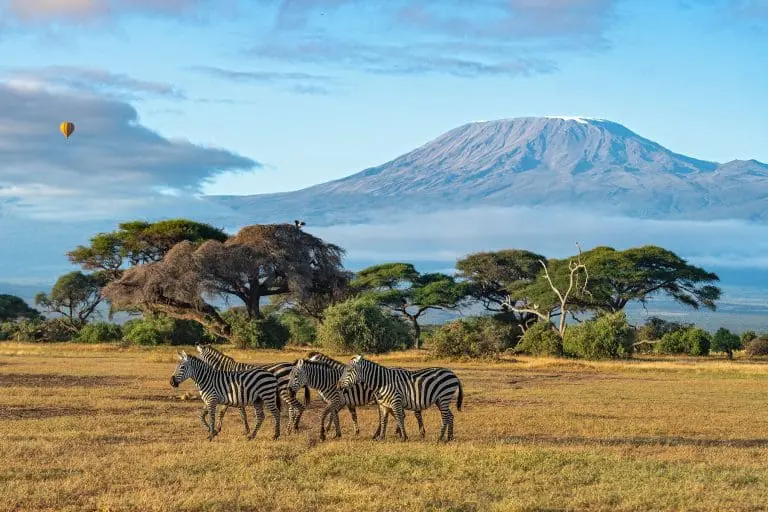
With an altitude of 5895 meters, Mount Kilimanjaro is the tallest freestanding mountain on the globe. Kilimanjaro is also known as the “roof of Africa.” We constantly remind ourselves to avoid mistakes, but we often overlook critical details and make poor choices when planning a climb of Mt. Kilimanjaro.
Making mistakes when climbing Mount Kilimanjaro might cost you extra. The best way is to familiarise yourself with the Kilimanjaro Frequently Asked Questions (FAQs). We have collected some advice and information to answer the frequently asked questions from various travellers to help you in your Kilimanjaro hiking.

Common Questions Answered for Mount Kilimanjaro Trekking
Kilimanjaro Mountain stands on the African continent, basically in the northeastern region of Tanzania, near the Kenya-Tanzania border, is home to Mount Kilimanjaro.
The nearest settlement is in Moshi, and Mount Kilimanjaro is part of the Great East African Rift Valley Mountains. The dry months are the ideal time to climb Kilimanjaro. The dry season runs from January to mid-March and from June to October. You can trek Kilimanjaro throughout the year without any problems. Fulfil your dream with a professional, skilled, and experienced guide. Six hiking routes are suitable for you, except the Umbwe Route.
Machame and the Lemosho Route via Morum are the ideal routes with a “Climb high and sleep low” contour, as they are longer and offer superior acclimatisation. The Lemosho Route and Londross have less traffic, panoramic vistas, and a high summit success rate; we advise using them for the best chance of reaching the summit.
The route you take decides how long it will take you to reach the top of Kilimanjaro. For the easier routes, it takes 6 to 9 days to reach the mountain peak. A longer route has a higher probability of reaching the summit of Kilimanjaro/UHURU PEAK.
The cost of climbing Kilimanjaro varies based on a number of factors, including the trekking route, climb season, comfort level, and other factors. It will cost approximately $2000 per person to hike the Machame route, which includes camping, trekking, porter, cook, guide, service, lodging, and transfers.
You can have pancakes, boiled or fried eggs, porridge, fruit, some bread, fruit jam, honey, or peanut butter, tea, hot chocolate, or coffee for breakfast. Enjoy a boiled egg, sandwiches, fruits, coffee, or hot cocoa for lunch.
Climbers sometimes have to carry their lunches, which are sometimes cooked during breakfast. We serve afternoon tea with biscuits, peanuts, and salted popcorn at the end of your trekking journey. Enjoy your dinner with a hot bowl of soup, and the main course might include beef stew, chicken, or another type of meat, rice or pasta, and a vegetable sauce or potatoes, pasta, or macaroni.
Trekkers can successfully stand tall on the summit of Africa, thanks to the porters,
cook and guides, whose teamwork makes the climb journey successful. The crew plays a major role in a successful summit as they carry all your gear at high altitude.
To help you reach Uhuru Peak successfully, the crew helps you set up your tents, prepare your meals, and keep a close eye on your safety. The manner of tipping and tip amounts depend on how successful your trek has been. Your feedback should demonstrate whether your support staff have been competent and worked with your safety and interests in mind at all times. At the end of every trekking day, you can give a tip to the crew members as a well-earned reward. You can plan a party to celebrate your climb on Mount Kilimanjaro.
Yes. You suffer from Kilimanjaro Altitude Sickness when your body cannot adapt to the low oxygen and high air pressure at high elevations. The symptoms may include nausea, vomiting, headaches, fatigue, loss of appetite, muscle aches, dyspnea, dizziness, palpitations, and imbalance. Acute Mountain Sickness is a critical form of altitude sickness. You must seek a professional’s advice on preventing altitude sickness on the mountain. The must-considered factors include -
- Take a longer route.
- Maintains proper nutrition
- Climb at high altitude and sleep at low terrain
- Climb slowly
- Keep yourself hydrated enough
- Take the necessary medications for altitude sickness
- Have time to rest/sleep
You need training to improve your fitness. You ought to lead the healthiest life possible, both on a physical and an emotional level. We advise you to take a training that includes breathing and aerobic exercises, or hiking to the nearest elevation, with strength training for your legs and overall body.
Yes. We have important Kilimanjaro gear you should carry on the trek. Bring sunscreen, sunglasses, or a sunhat for UV protection. We recommend bringing headache pills and pain relievers. The use should not be too frequent, as it could mask other symptoms.
Bring rain gear/rain trousers and a rain jacket.
Anti-nausea medications are a great thing to carry if you experience altitude sickness.
Eye drops can protect your eyes from ice, snow, and dust.
Keep rehydrating salts to avoid dehydration.
Keep tablets that reduce sore muscles and joint inflammation.
Yes, get travel insurance that includes coverage up to 6,000 meters above sea level. Purchase an insurance policy that covers medical expenses incurred while hiking. The policy would cover your immediate helicopter evacuation in case of an emergency or acute mountain sickness.
Take precautionary measures and set out on an adventure” We hope that this information will direct you in planning an effective safari tour.
Conquer Mount Kilimanjaro, well known as the “Roof of
Africa,” and take in its breathtaking views. We deliver the best guides and services for the most pleasant journey, as we are the most experienced trekking and safari company.
On the Kilimanjaro Climb, you will primarily use long-drop pit toilets in campsites or private portable chemical toilets if available in the package or specifically requested. Necessary toiletries and hygiene products will be provided to maintain the safety and comfort of travellers.
No. By law, climbing Mount Kilimanjaro requires a licensed guide. Independent trekking is not permitted.
Yes. Rescue services are available, including stretcher evacuations and limited helicopter support in serious cases.
No. The mountain is considered very safe. There are no threats from hostile groups or unusual dangers beyond natural conditions.
No. Typically, a guide or porter will accompany you down while the rest of the group continues.
Yes, especially in the lower forest zones of Mount Kilimanjaro, where you may spot monkeys, birds, and small mammals.