1. Home
  2. »
  3. Hiking and Trekking

Adventurous Activities Hiking and Trekking

01

Mount Kilimanjaro

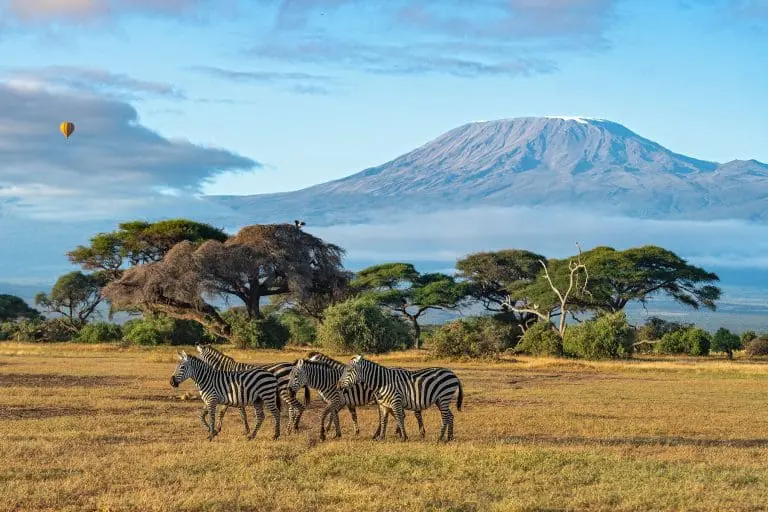
Mount Kilimanjaro, at an elevation of 5,895 m, is the world’s tallest freestanding mountain. There are multiple routes to the summit of Kilimanjaro, including Marangu, Machame, and Lemosho, though they vary in length and difficulty. The routes take 5-9 days to reach the summit. It’s advised to climb the mountain with proper acclimatisation.

02

Mount Meru

Mount Meru, often referred to as Kilimanjaro’s little brother, offers the climbers a fantastic hiking experience. The trekking trails along Mount Meru require technical knowledge, yet climbers without technical skills can still enjoy the climb. Mount Meru trek packages are cheaper than Kilimanjaro trek packages. Trekkers can enjoy fascinating wildlife views on the mountain slopes.

03

Ngorongoro Conservation Area

The conservation area is ideal for a one or two-day hike on a Tanzanian safari. The wide protected area is one of the country’s richest wildlife reserves. Hiking is not allowed within the crater due to the abundance of wild predators. The Empakai and Olmoti Craters are popular among visitors. You can enjoy a pleasant walk and hike along the trails with basic fitness.

04

Mahale Mountains

The Mahale Mountains, in western Tanzania, surrounded by dense forests and serene beaches, are an ideal destination for climbers. Many visitors travel to Tanzania to track native chimpanzees. Hikers find the Mount Nkungwe climb quite fascinating, offering mesmeric views of the park’s wildlife. It takes 2-3 days to explore the lesser-explored part of the country.

05

Udzungwa Mountains

You would find the Udzungwa Mountains in the country’s central Iringa Region. Climbers can enjoy short half-day tours to multi-day hikes along the trails in the remote corner of Tanzania. With 4-5 days in hand, you can head toward the Lumemo trail for a breathtaking hike journey through the lush rainforest. Two of the most popular hiking trails here are Sonje and Sanje waterfalls. 

06

Ol Doinyo Lengai

Another short yet difficult climb is to the summit of Ol Doinyo Lengai, an active volcano in northern Tanzania. It is located between Ngorongoro Crater and Lake Natron. The summit, at an elevation of 3000 km, requires hikers to cross steep trails, making it one of the thrilling hikes. The trek takes around 6 to 12 hours, starting at midnight and ending before sunrise. 

Get Your Best Hiking Experience in Tanzania

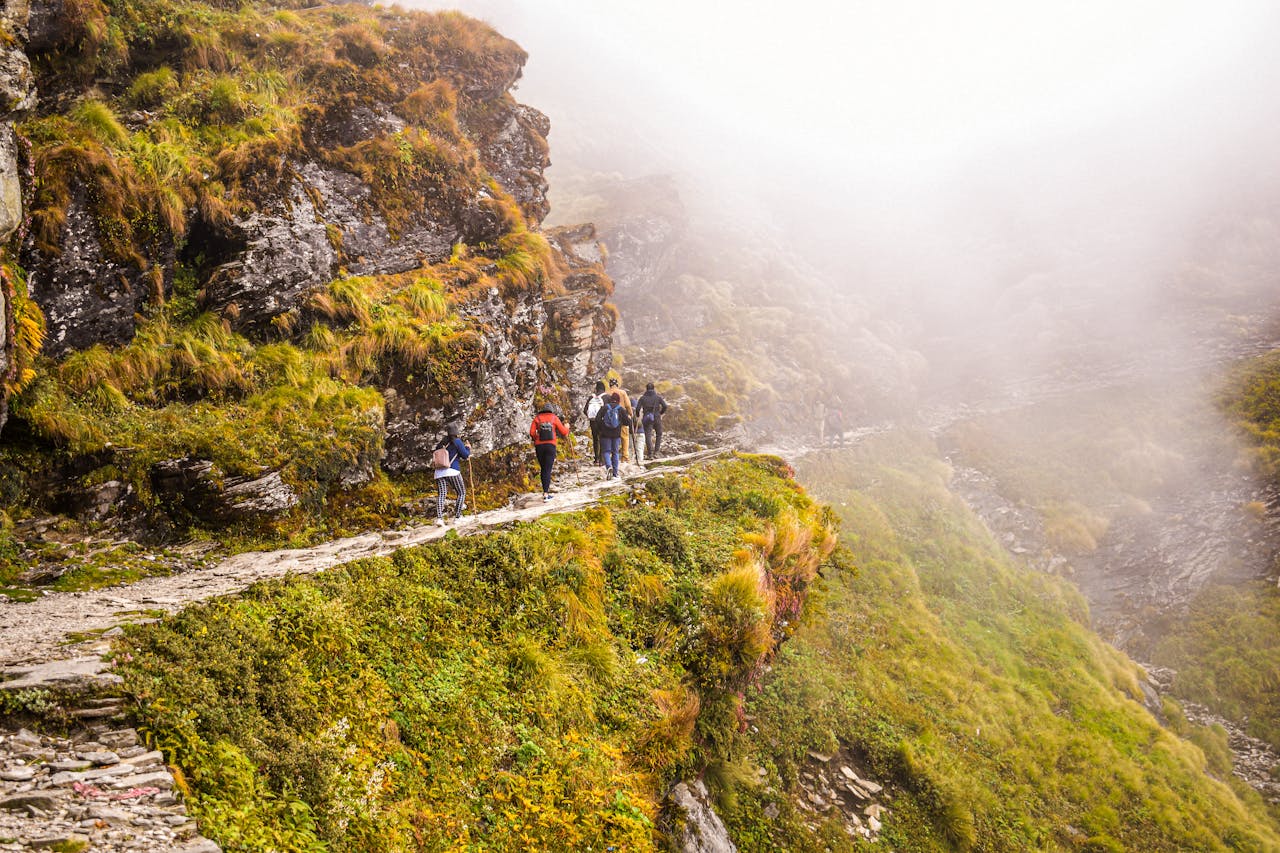
Experience the most fascinating trekking experience where you can climb iconic Kilimanjaro, the diverse Udzungwa mountains, or scenic Mount Meru. Trekkers can climb along the Machame, Marangu, or Lemosho route to the summit of Mt. Kilimanjaro, Africa’s highest peak. Mount Meru is a less crowded trek option that mesmerises tourists with breathtaking wildlife encounters. You can plan a hiking route in the Ngorongoro highlands along diverse contours, passing the crater lakes and Maasai villages. On the other side, the Udzungwa Mountains are known for their diversity, where you can explore the rainforest with half-day to multiple-day treks to the scenic Choma Waterfall. It’s recommended to hire expert local guides for a successful trek. You must have a good fitness level due to the moderate-to-high-altitude trekking trails.

View Gallery

FAQ

Here are some frequently asked questions from the safari planners. Get the right information with us to make your dream safari perfect. If you have any further questions, contact us.

On your trek route to Mount Kilimanjaro, you can stay in camps. Only the Marangu trek route doesn’t have camping options. The trekkers have to stay in the mountain huts, where the beds are arranged in a dormitory style.

Yes. The Tanzanian law doesn’t allow trekkers to climb mountains without a licensed guide. You also need verified porters. 

In Tanzania, most trekking routes take 5-9 days to allow trekkers to acclimate to the altitude properly. 

Altitude sickness occurs when you trek to high elevations. When the body doesn’t have enough time to adjust to low oxygen levels, it can cause problems. The symptoms include headache, racing heart, trouble breathing, etc.

No. You don’t need technical mountain climbing skills. Mental strength, cardiovascular health, and tenacity are what a trekker must have when climbing a mountain.

Scroll to Top