- Home
- »
- Mount Kilimanjaro Climbing Packages

Kilimanjaro Climbing Packages
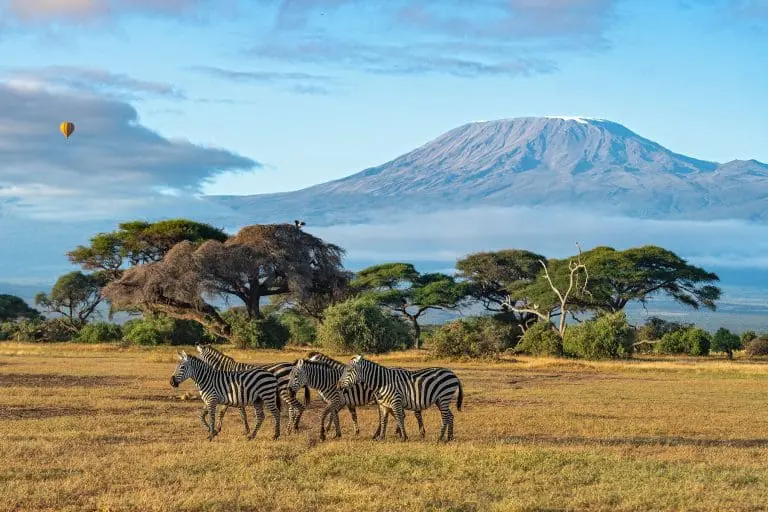
Climbing Kilimanjaro is a premier trekking experience for hikers and mountaineers. Known as Africa’s highest peak, Mount Kilimanjaro stands tall at 5,895 meters (19,341 feet) above sea level. At Tanzania Adventure and Safaris, we offer our guests the best Kilimanjaro trekking and travel experience.

Climbing Mount Kilimanjaro
Specialities of different regions, spots to discover and experience on the Kilimanjaro Climb
Cultivation Zone (Farmland & Villages)
Your Kilimanjaro trekking journey will begin in the lush farmlands at the foothills of Mount Kilimanjaro. The temperature in the foothills ranges from 21°C to 27°C (70°F to 80°F), with a warm, comfortable climate. Lush, green landscapes are generally present, followed by banana plantations and coffee farms. You will pass through Chagga villages and interact with locals during a short cultural tour to gain valuable insights on trekking and a centuries-old survival guide.
Exploring Rainforest Zone
Gradual altitude gain would lead you towards a dense tropical landscape. On your Kilimanjaro Climb, explore a rainforest zone characterised by tall trees, thick undergrowth and a constant layer of moisture in the air. Your trails can be muddy and mis-covered, adding a sense of mystery to the trek. The rainforest zone has incredible biodiversity, with over 400 bird species and inhabitants such as blue and white colobus monkeys. Other animals such as bushbucks, tree hyrax, and duikers can also be spotted in the rainforest zone. The temperature levels are comfortable, making it a relatively easy and visually rich part of the climb.
Heath and Moorland Zones
Beyond the rainforest, the terrain opens into a moorland. This zone features striking landscapes filled with high-altitude vegetation, such as giant lobelias and groundsels. The climate gradually cools, and the first sensation of air becoming thinner becomes apparent. The Heath and Morland zone offers climbers panoramic views of the mountain range and sunsets, making it the most photogenic section of the trek.
Assimilation hikes, followed by sunset and panoramic photography and guided nature walks can be initiated in the heath and moorland zones. You may also get the first clear views of the Kibo Peak and the surrounding valleys.
Alpine Desert Zone
In the alpine zone, the environment shifts dramatically towards a dry, rocky, almost lunar terrain. A noticeable decrease in vegetation cover in previously covered zones is evident. The conditions would become more extreme, with hot sun during the day and freezing temperatures at night. The silence and scale of this zone create a raw and almost surreal trekking experience.
Major activities include long-distance trekking between camps and acclimation camps to higher altitudes before descending to the camp. Other notable activities include climbing expeditions to the Barranco Wall Climb, for a hands-on scrambling adventure. While who can forget stargazing under incredible night skies.
Arctic Summit Zone (Uhuru Peak)
This is the most demanding and rewarding phase of your Kilimanjaro Climb, which leads to the summit (Uhuru Peak). The terrain is icy, the air is thin, and the temperature generally ranges from -10°C to -20°C (14°F to -4°F) at night, -5°C to -10°C during the day, and wind chills can further lower the temperature to -20°C to -30°C.
The coldest part is generally during the midnight summit climb, when winds are strong, and temperatures can drop significantly. Low oxygen levels can make the cold feel more intense and physically draining. Proper layering, insulated gear, and windproof clothing are essential for reaching the summit safely.

FAQ
Specialities of different regions, spots to discover and experience on the Kilimanjaro Climb
Climbing packages range depending on the route, duration, and level of comfort included.
Most packages include park fees, licensed guides, porters, meals, camping or hut accommodation, and airport transfers. Premium packages may offer upgraded gear and hotel stays.
Most climbs take 5 to 9 days. Longer itineraries (7–9 days) offer better acclimatisation and higher summit success rates.
No technical climbing experience is needed, but good physical fitness and basic endurance training are essential.
Altitude sickness is the main challenge on Mount Kilimanjaro. Proper acclimatisation, hydration, and pacing are key to reaching the summit successfully.